








The Deception of Surface-Level Appeal
The market for iPhone accessories presents a strange paradox. While thousands of cases are available at every price point, finding one of genuine quality is surprisingly difficult. The core of the issue is a confusion between what is merely "pretty" and what is truly "premium." Many cases catch the eye with a trendy pattern or a bright color, but this surface-level appeal often masks a lack of substance. This is the central challenge when considering how to choose a phone case: learning to see past the initial visual and identify the markers of lasting value.
We’ve all seen it. A case looks fantastic online, might even carry a significant price tag, but within weeks, the corners are scuffed, the color is fading, and the fit feels loose. This is the "fast fashion" effect bleeding into the tech accessory world. It encourages a disposable mindset where products are designed for a fleeting moment of style rather than for longevity. This cycle of buying, discarding, and replacing is not only wasteful but also deeply unsatisfying. A premium case is not just a temporary shield; it is an investment in craftsmanship, superior materials, and thoughtful engineering.
The distinction creates a psychological shift in ownership. A common, pretty case is interchangeable, easily forgotten and replaced. A premium case, however, becomes a personal object. It’s something you appreciate every time you pick it up. Its purpose is to move beyond superficial looks and deconstruct the essential elements that deliver true value. This article will guide you through those elements, helping you understand what separates a simple accessory from a piece of personal equipment you can rely on for years.
The Foundation of Luxury Is in the Materials
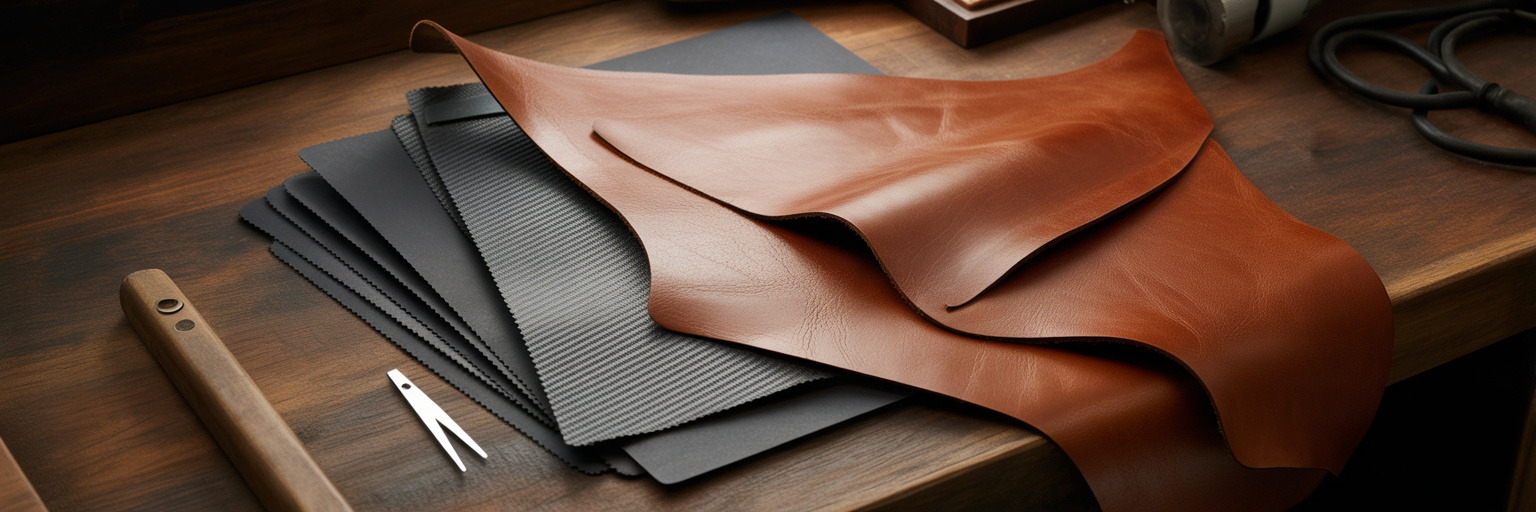
The first and most tangible difference between a standard case and a premium one lies in the raw materials. It’s a distinction you can feel the moment you hold it. While mass-market cases rely on inexpensive plastics to get the job done, luxury accessories are built from components chosen for their unique character, durability, and tactile experience. These are not just functional choices; they are statements of quality.
The Character of High-Grade Leathers
Leather is a classic choice, but not all leather is created equal. Many products use "genuine leather," which is often a lower-quality material made from bonded scraps. In contrast, premium cases use full-grain leather, the highest grade available. This material retains the natural hide's texture and imperfections, meaning no two cases are exactly alike. Over time, full-grain leather develops a rich patina, a unique sheen and darkening that tells the story of its use. It doesn't wear out; it wears in. Sourcing from ethical and certified tanneries also ensures that this timeless material is produced responsibly.
The Strength of Advanced and Exotic Materials
Beyond traditional materials, the world of premium phone case materials includes advanced composites and metals originally developed for aerospace and motorsports. Carbon fiber, with its distinctive woven pattern, offers incredible strength while remaining exceptionally lightweight. Aramid fiber provides remarkable resistance to impact and abrasion. Metals like aircraft-grade aluminum and titanium bring structural rigidity and a cool, solid feel that plastic simply cannot replicate. These materials are chosen because their protective qualities are proven in the most demanding environments. Texture can be just as defining as performance, which is why the crocodile-embossed faux leather finish of our Crocodile Leather MagSafe Rectangle Case transforms a functional object into a statement piece.
The Tactile Experience of Unique Finishes
The final element is the feel. Materials like Alcantara, famous for its use in the interiors of high-performance cars, offer a soft, suede-like grip that is both luxurious and practical. Other designs incorporate thin veneers of real wood or stone, each with a unique grain and texture. The technical skill required to integrate these natural materials into a slim, protective case is immense. This stands in stark contrast to common plastics like polycarbonate and TPU. While those materials provide basic shock absorption, they often feel cheap, attract fingerprints, and can yellow or stretch over time, diminishing the experience of using your phone.
| Material | Tactile Feel & Aesthetics | Durability & Aging | Primary Benefit |
|---|---|---|---|
| Polycarbonate (PC) | Hard, smooth, often glossy. Prone to fingerprints and scratches. | Can become brittle and yellow over time with UV exposure. | Rigidity and impact resistance at low cost. |
| Thermoplastic Polyurethane (TPU) | Flexible, rubbery feel. Good grip but can feel sticky. | Resists initial impact well but can stretch and discolor over time. | Flexibility and shock absorption. |
| Full-Grain Leather | Soft, warm, and textured. Develops a rich, unique patina. | Highly durable. Scuffs and marks add to its character over time. | Timeless aesthetics and graceful aging. |
| Carbon Fiber | Lightweight, rigid, with a distinct woven, high-tech look. | Extremely strong and resistant to scratches and bending. Does not degrade. | Exceptional strength-to-weight ratio. |
| Titanium | Cool to the touch, metallic luster. Feels substantial and solid. | Incredibly resistant to corrosion, scratches, and dents. | Ultimate structural rigidity and a premium feel. |
This table contrasts the sensory experience, long-term performance, and core purpose of materials typically used in mass-market cases versus those chosen for premium accessories. The data is based on standard material science principles and industry applications.
Craftsmanship: The Human Touch in a Digital Age
Even the finest materials are wasted without exceptional craftsmanship. This is where a premium case truly separates itself. While a mass-produced case is injection-molded by a machine in seconds, a high-end accessory shows signs of human skill and attention. Craftsmanship is not just about assembly; it is a commitment to perfection that is evident in every curve, seam, and cutout. It is the deliberate process of turning raw materials into a refined, finished product.
You can spot superior craftsmanship by looking for a few key signals. These details may seem small, but they collectively create a product that feels complete and intentional.
- Perfectly Aligned Cutouts: On a cheap case, the openings for the charging port, speakers, and camera are often slightly off-center or have rough edges. A premium case features cutouts that are precisely machined to be perfectly symmetrical and clean, ensuring they never interfere with cables, sound, or photo quality.
- Refined Edges: Look at the edges where different materials meet. On handcrafted phone cases made of leather, the edges are often hand-burnished to a smooth, glossy finish. On metal frames, precision chamfering creates a soft, angled edge that feels comfortable to hold. These finishing touches are time-consuming and require a skilled hand.
- Manufacturing Tolerance: This engineering term refers to the acceptable deviation in a product's dimensions. Premium cases are made with extremely low tolerances, meaning the fit is exact. There are no creaks, gaps, or looseness. The case feels like an integrated part of the phone itself, not a separate attachment.
- Button Responsiveness: This is a detail that profoundly affects daily use. Instead of mushy plastic covers, premium cases often use machined metal buttons or floating button designs. This ensures every press delivers a crisp, satisfying tactile click that feels as good as, or even better than, the phone's native buttons.
This level of detail is often the result of an artisan's expertise. For many luxury brands, cases are finished or assembled by people with years of experience in their craft. This dedication to quality control is a testament to the human element behind precision work, transforming a functional object into something with character and soul. It is a value that prioritizes meticulous care over mass production.
Protection Engineered for Longevity
Protection is the primary function of any case, but the premium approach to it is far more sophisticated than just passing a drop test. It is about intelligent engineering designed for long-term durability. This means not only surviving a fall but also resisting the daily grind of scratches, scuffs, and discoloration. While the previous section focused on materials, this is about how those materials are integrated into a cohesive protective system.
Think of it like the suspension in a high-performance car. It’s not just about being stiff; it’s about absorbing and dissipating energy intelligently. Premium cases often use a multi-layer construction, combining a rigid outer shell with a softer, shock-absorbing inner core. Some use proprietary polymers scientifically formulated to disperse impact forces away from the iPhone. This is a system designed for resilience, not just brute strength. You can see how these principles are applied across different styles in our full collection of rectangle Apple iPhone cases.
Another critical feature is the raised bezel, or lip, that extends around the screen and camera lenses. In a mass-market case, this is often a bulky, generic feature. In a premium case, it is precisely engineered. The height and angle are calculated to provide maximum clearance when the phone is placed face down, but without adding unnecessary bulk or interfering with screen gestures. It is a small detail that makes a huge difference in preventing scratches on the most critical parts of your device.
Finally, the choice of material directly contributes to long-term protection. The natural resilience of full-grain leather, for instance, allows it to absorb minor impacts. Small scuffs that would permanently mar a plastic case can often be buffed out of leather or simply add to its unique patina. Similarly, the rigidity of carbon fiber or titanium prevents the iPhone from bending or twisting on a severe impact, protecting its internal components and structural integrity. This is protection that endures.
Exclusivity and the Power of Design Narrative
Once the physical attributes of material and craftsmanship are met, the final layer of a premium case is its story. This is the intangible value that comes from design, branding, and exclusivity. It moves a product from being a simple commodity to a desirable luxury item. This is less about the object itself and more about what it represents: a sense of identity, taste, and belonging.
Exclusivity is a powerful driver. Limited-edition runs, numbered collections, and collaborations with artists or designers create a sense of scarcity. Owning one of these pieces means you have something that not everyone else does. This is a core principle behind designer iPhone accessories. They are not just made; they are curated. A premium case is an expression of a brand's consistent design ethos, a philosophy that the owner chooses to align with and make part of their personal style. For more ideas on how to integrate these pieces into a cohesive look, our Style Edit blog offers plenty of inspiration.
This positioning elevates the case to an iPhone fashion accessory, placing it alongside watches, handbags, and other curated goods. As noted in a style guide by Burga, the most sought-after luxury cases are often seen in fashion editorials and used by style influencers, positioning them as essential components of a modern wardrobe. They become part of a deliberate and considered personal aesthetic.
However, true luxury often whispers rather than shouts. Instead of large, overt logos, the signals are more subtle. It might be a discreet monogram, the unique texture of a rare material, or a signature design element that is only recognizable to those in the know. This "if you know, you know" approach appeals to a sophisticated consumer who values quiet confidence and understated elegance over loud branding. It is a choice that communicates taste through quality, not just a name.
Seamless Integration of Function and Form
A premium case should enhance the experience of using your iPhone, not hinder it. This is where function and form must merge perfectly. Every feature should feel intentional, integrated, and effortless. This focus on daily usability is what separates a thoughtfully engineered product from one that simply wraps around the phone.
A prime example is the integration of MagSafe technology. In a cheap case, magnets are often weak or misaligned, leading to a frustratingly insecure connection with chargers and accessories. In a premium case, the magnetic array is precisely calibrated to Apple's specifications. This ensures a strong, satisfying snap every time you attach a charger or wallet, with optimal charging efficiency. For instance, our Solid MagSafe Rectangle Case is engineered for this exact purpose, guaranteeing a perfect connection without compromising the design.
Ergonomics are equally important. A case should feel good to hold. Designers of premium cases spend countless hours refining the shape, texture, and weight distribution to improve grip and reduce fatigue during extended use. They use subtle curves that fit naturally in the palm and textured materials that provide a secure hold without feeling sticky. The goal is to make the phone feel more secure and comfortable in your hand than it does without a case.
Added functionalities must also be seamlessly integrated. A cleverly designed card holder should not create an unsightly bulge. A built-in stand should disappear into the case's structure when not in use. These features should feel like they were part of the original design concept, not tacked on as an afterthought. The key is that they add utility without compromising the case's slim profile or aesthetic integrity.
Finally, the importance of button feedback cannot be overstated. It is one of the most frequent interactions you have with your phone. A premium case acknowledges this with machined metal button covers or floating designs that provide a crisp, responsive click. This small detail makes a significant difference in the daily user experience, reinforcing the feeling of quality with every press.
A Connoisseur's Guide to Selecting Your Case
Choosing from the vast sea of luxury iPhone cases can feel overwhelming, but armed with the right knowledge, you can make an informed decision. Think of it as a connoisseur's approach: you are looking for signs of quality that go far beyond the price tag or a flashy design. This final checklist summarizes the key lessons to help you identify a truly premium product.
When you have a case in your hands, use this actionable guide to inspect it:
- Material Authenticity: Feel the texture. Is it genuine full-grain leather with natural variations, or is it uniform, printed plastic? Does the metal feel solid and cool to the touch?
- Stitch and Seam Quality: If there is stitching, are the lines straight, even, and tight? Are the seams where materials meet clean and perfectly aligned?
- Port and Speaker Alignment: Look closely at the cutouts. Are they perfectly centered? Are the edges smooth and well-finished, or are they rough?
- Button Responsiveness: Press the volume and power buttons. Do they offer a satisfying, tactile click, or do they feel mushy and unresponsive?
- Fit and Finish: Does the case fit the phone snugly without any gaps or creaks? Run your finger along the edges. Are they smooth, or can you feel rough molding lines from a cheap manufacturing process?
Be wary of fakes and low-quality imitations. Check the branding, is it deeply embossed or laser-etched, or is it a cheaply printed logo that might wear off? A reputable premium brand will also stand behind its products with a robust warranty and accessible customer service. This reflects their confidence in the product's quality and longevity and is a significant part of the value.
Ultimately, the right case is a personal choice that reflects your values. It is an investment in your daily experience. By learning about our commitment to design and quality, you can choose a case that not only protects your device but also brings you a small moment of joy every time you use it, thanks to its feel, its look, and the story of its creation.


