








The New Standard in Handheld Ergonomics
The return to flat-sided phones marked a significant shift in handheld ergonomics. Where curved edges once dominated, the clean geometry of the rectangle design offers a more deliberate and functional form. This is not just a design trend. It is an intentional evolution toward a more secure user experience. The flat sides provide a broader, more stable surface for your fingers to press against, creating a confident hold that a sloped edge simply cannot match.
We have all felt that subtle anxiety of a phone slipping through our fingers. The precise angles of a rectangle case are engineered to prevent that feeling. Yet, this introduces a new challenge for the discerning user: finding a case that masters this functional grip without feeling sharp or uncomfortable during long periods of use. The goal is a comfortable iPhone case design that merges a secure hold with a sophisticated aesthetic. This guide deconstructs the essential elements of a superior case, from its material science to its subtle engineering details.
Material Choices for a Superior Hold
The foundation of a great grip is the material itself. Long before you consider shape or features, the tactile quality of the case surface dictates how securely it rests in your hand. Each material offers a distinct feel and a different approach to preventing slips.
Soft-Touch Materials: Silicone and TPU
For those who prioritize maximum grip, soft-touch materials are the undisputed champions. The high coefficient of friction in silicone creates a natural tackiness that clings to your hand, making it an excellent iPhone case for better grip. This quality is immediately noticeable, offering a reassuring sense of security. Thermoplastic polyurethane (TPU) provides a similar flexibility and shock absorption but often with a smoother finish that slides into a pocket more easily. Our Silicone Rectangle Case is a perfect example of this soft, secure feel, combining a pleasant touch with reliable shock absorption.
Textured Hard Shells: Polycarbonate (PC)
A hard polycarbonate case does not need to be slippery. The solution lies in the finish. By applying a micro-texture or a refined matte coating, these hard shells gain a subtle coarseness that resists slips and, as a welcome bonus, hides fingerprints and smudges. This approach provides a confident hold without the "sticky" feeling of silicone, making it ideal for users who frequently slide their phone in and out of a pocket. The grip comes from the engineered surface, not the material's inherent properties.
Premium Composites: Aramid and Carbon Fiber
At the luxury end of the spectrum, materials like aramid and carbon fiber offer a unique proposition. Their distinct woven texture provides a dry, technical grip that feels both lightweight and incredibly strong. These composites deliver a secure hold without adding any discernible weight or bulk, appealing to users who appreciate high-performance engineering and a minimalist aesthetic. As a recent Reddit thread discussing grippy materials shows, users often debate the merits of soft versus hard textures, with many praising the unique feel of these advanced composites. For those who review products and share their findings on platforms like Reddit, using content scheduling tools can help manage their online presence efficiently.
| Material | Primary Grip Mechanism | Feel in Hand | Pocketability |
|---|---|---|---|
| Silicone | High Friction (Tacky) | Soft, rubbery | Can attract lint, higher friction |
| TPU (Thermoplastic Polyurethane) | Moderate Friction (Flexible) | Smooth yet pliable | Slides in/out easily |
| Textured Polycarbonate | Surface Finish (Matte/Patterned) | Hard, subtly coarse | Very smooth, low friction |
| Aramid/Carbon Fiber | Woven Texture | Dry, technical, lightweight | Smooth, minimal friction |
Design Details That Define Comfort
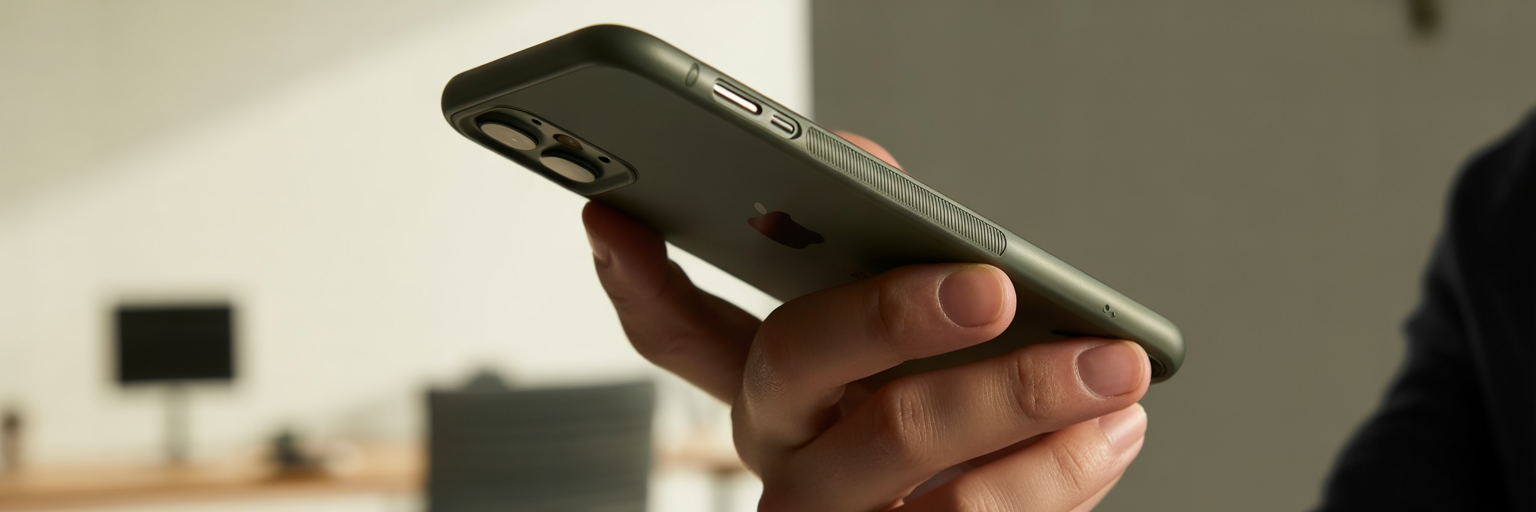
While material provides the raw grip, the engineering of the case transforms that grip into genuine comfort. A truly comfortable iPhone case design is the result of thoughtful details that consider how you interact with your device hundreds of times a day. It is the difference between a simple protective shell and a true ergonomic tool.
Beyond the surface feel, three specific design elements determine long-term comfort:
- Button Actuation: We have all used cases with mushy, unresponsive buttons that require a forceful press. Premium cases feature meticulously engineered button covers that deliver a crisp, tactile click. This satisfying feedback makes adjusting volume or locking your screen an effortless action you can perform without a second thought or even a glance.
- Edge Finishing: The sharp geometry of a rectangle case is its strength, but poorly finished edges can dig into your palm during extended use. Superior designs incorporate subtle chamfering or carefully rounded contours along the edges. This softens the corners just enough to eliminate pressure points while preserving the clean, modern silhouette.
- Targeted Texturing: Instead of applying a uniform texture across the entire case, advanced designs place grip patterns strategically along the sides where your fingers naturally rest. This enhances your hold for secure one-handed use while leaving the back of the case smooth. This intelligent approach provides grip exactly where it is needed, as seen in designs like our Texture MagSafe Rectangle Case, which balances a smooth feel with functional side grips.
Protection Without Unwanted Bulk
There is a persistent myth that robust protection must come with significant thickness. However, modern engineering proves that a lightweight protective iPhone case can offer exceptional defense through smart design rather than sheer mass. It is about working smarter, not bigger.
The first line of defense is a raised bezel, a subtle lip that extends just millimeters above the screen and camera lenses. This simple feature prevents scratches from direct contact when you place your phone face down on a table. It is a minimal addition with maximum impact.
True innovation, however, happens inside the case. Many of the best designs incorporate shock-absorbing technologies that are invisible from the outside. This includes air-cushion pockets in the corners, which compress on impact to dissipate force, or internal patterns designed to disperse shockwaves away from the device. These features add almost no weight or volume but are critical for drop protection.
Finally, weight itself is a crucial factor. A case should have enough substance to feel reassuring in your hand, but it should not be so heavy that it causes fatigue. The goal is to find a balance where protection is tangible but not burdensome, allowing you to enjoy the slim profile of your iPhone. Our collection of rectangle cases for the iPhone 15 Pro Max demonstrates how slim, protective designs can be achieved without compromise.
When Functional Grip Becomes a Style Statement
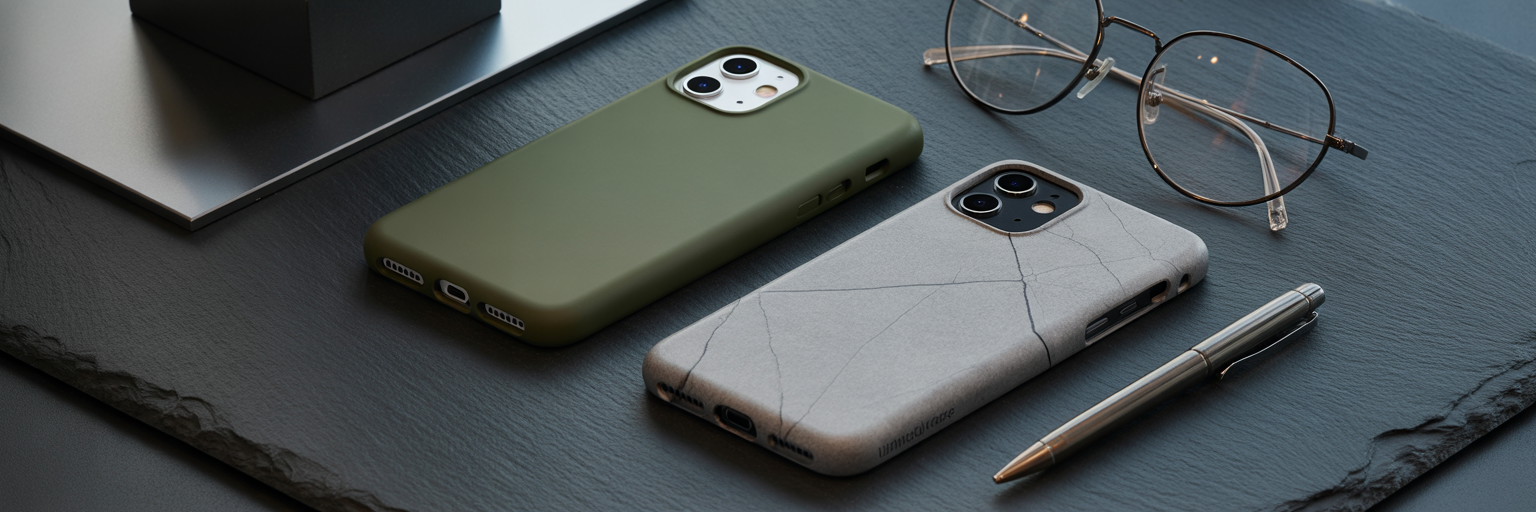
The most thoughtfully designed cases treat functional elements as integral parts of their aesthetic. Grip is no longer just a practical necessity. It is a deliberate style choice. The textures that enhance hold, such as clean vertical ribs, precise diagonal lines, or minimalist stippling, also create a modern, visually engaging appearance.
This is where stylish grippy phone cases truly shine. They prove that function and fashion are not mutually exclusive. The texture becomes a core part of the design language, adding depth and character to the case. Color and finish then work together to define its personality. A deep matte black offers an understated, tactical look, while a soft-touch navy blue feels classic and refined. A frosted white finish can provide a clean, architectural feel that complements the phone's design.
By choosing a case where the grip-enhancing features are also the primary visual elements, you are selecting an accessory that is both practical and expressive. The patterns on our collection of patterned cases, for example, are designed to serve both your hand and your eye, turning a functional need into a statement of personal style.
A Checklist for Your Final Selection
Choosing the right case comes down to understanding your own priorities. Before you decide, ask yourself what matters most. Is it maximum slip prevention for peace of mind, suggesting a soft silicone case? Or is it a smooth, pocket-friendly feel that points toward a textured hard shell?
Pay close attention to the "in-hand feel" described in reviews, as this tactile quality is something you will interact with daily. To simplify your decision, use this mental checklist to evaluate the best rectangle iPhone cases for your needs:
- Material: Do you prefer a soft, tacky feel (Silicone/TPU) or a hard, textured surface (Polycarbonate)?
- Finish: Does a matte finish that hides fingerprints appeal more, or do you want a specific texture for grip?
- Ergonomics: Are the buttons described as tactile and responsive? Are the edges softened for comfort?
- Protection: Does it have raised bezels and a slim profile without feeling flimsy?
With these criteria in mind, you can confidently select a case that feels like a natural extension of your device. To apply these principles directly, you can use the tool we developed to find your perfect rectangle iPhone case and match your preferences to the ideal design.


