








The Smartphone as a Constant Style Companion
The journey of the iPhone from a simple communication tool to a constant personal accessory is well-documented. Industry analysis confirms that a significant number of consumers now choose their phone cases based on design, a clear signal of a fundamental shift in mindset. This change is not about vanity. It is about the recognition that our phones are always with us, acting as a subtle but persistent reflection of our personal taste. This section explores the cultural and psychological drivers behind this evolution, setting the stage for why your case choice matters more than ever.
The iPhone as a Public Extension of Self
Think about your daily routine. You place your phone on the café table next to your coffee. It appears in the corner of a mirror selfie you post online. It sits on the conference table during an important business meeting. In each of these moments, your iPhone is not just a device, it is an accessory on public display. Its casing contributes to the personal image you project, speaking volumes before you say a word. Just as you would not wear worn-out shoes to a client pitch, a scuffed, generic case can detract from a carefully curated professional appearance. The phone has become an integral part of our daily presentation, a constant companion that either complements or clashes with our identity.
From Utility to Identity: The New Role of Tech Accessories
This constant visibility has transformed the iPhone case from a purely utilitarian object into a statement of identity. The choice is no longer trivial. It is a deliberate decision, much like selecting a luxury watch, a designer handbag, or a signature pair of glasses. These items are chosen for their craftsmanship, design, and the story they tell about the owner. The same is now true for luxury iPhone accessories. A thoughtfully selected case signals an attention to detail and an appreciation for quality. It suggests that you value design in all aspects of your life, not just the obvious ones. For more inspiration on how to integrate your tech with your personal aesthetic, our style-focused articles offer a wealth of ideas.
The Influence of 'Quiet Luxury' on Device Personalization
The trend of 'quiet luxury' has accelerated this shift. This movement prioritizes understated elegance, superior materials, and timeless design over conspicuous branding and logos. It is about communicating value through quality and craftsmanship, not overt symbols. This philosophy has permeated the tech accessory market, leading discerning consumers to seek cases that feel sophisticated, personal, and refined. They want an accessory that whispers quality rather than shouts for attention. This is no longer a niche interest. The demand for aesthetically pleasing protection is a mainstream expectation, proving that for a large part of the market, style is now on equal footing with function.
The Shift from Utilitarian Bulk to Refined Aesthetics
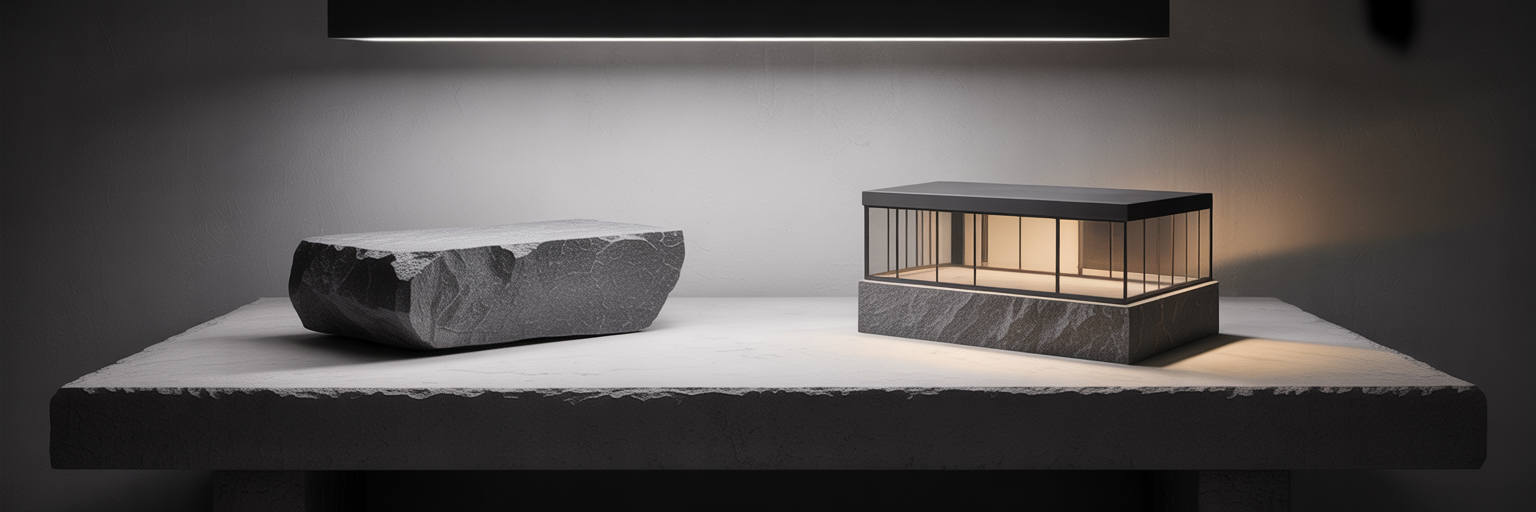
The evolution from the previous section's focus on personal expression is mirrored in the physical design of phone cases themselves. There has been a clear journey away from pure utility toward a more sophisticated form. This aesthetic shift is not just about looks. It reflects a deeper change in what consumers expect from protection, moving from a mindset of fear to one of confidence and style. This section contrasts the old and new paradigms of case design to illustrate how far the industry has come.
The Old Paradigm: Armor for Your Pocket
In the early days of smartphones, protection was synonymous with bulk. Cases were often thick, heavy-duty shells designed with a single purpose: to create an impenetrable barrier around the device. The iPhone was treated like a fragile instrument that needed to be locked away in armor. These designs were born from a place of anxiety, prioritizing defense against catastrophic drops above all else. The result was a market flooded with clumsy, oversized cases that completely obscured the very design consumers had paid a premium to own.
The Experiential Cost of Excessive Protection
While well-intentioned, this 'armor' approach came at a significant experiential cost. It made an elegant, lightweight device feel cumbersome and generic. The tactile pleasure of holding a precision-engineered piece of technology was lost beneath layers of rubber and plastic. This philosophy ignored the user’s visual and sensory experience, effectively punishing them for wanting to protect their investment. We have all felt that disappointment of putting a beautiful new phone into a case that makes it feel cheap and unwieldy. It was a compromise that consumers grew tired of making.
The Rise of Minimalist and Artisanal Design
In response, the market pivoted. Discerning consumers began demanding cases that would complement, or even enhance, the iPhone's inherent form. This gave rise to the modern fashion iPhone case, an accessory designed with aesthetics as a primary consideration. This new wave of products is guided by a minimalist phone case design philosophy, where clean lines, precise fits, and premium materials are paramount. This shift is perfectly captured in our collection of minimalist rectangle cases, which prioritize a sophisticated profile. This aesthetic evolution is not just a trend. It has fueled the industry's growth, signaling a maturation beyond a disposable, low-cost market toward one that values high-quality, design-led products.
Material Craftsmanship in Premium Case Design
Building on the idea of refined aesthetics, the choice of material is where true quality becomes tangible. A premium case is defined not just by its shape, but by its feel, its durability, and the story it tells over time. This section explores the sensory world of materials, educating on what separates superior craftsmanship from mass-produced imitations. It is through material choice that a brand's commitment to quality is most clearly demonstrated.
The Appeal of Patina: Full-Grain Leather's Story
Full-grain, vegetable-tanned leather is a perfect example of a material that improves with age. Unlike plastics that degrade, the best leather iPhone case develops a unique patina over time. It absorbs the oils from your hands, the sunlight it is exposed to, and the minor scuffs from daily life, creating a rich, personal history. This graceful aging process means the case becomes more uniquely yours with each passing day. It tells a story of your experiences, transforming a simple accessory into a personal artifact. This is a quality that synthetic materials can never replicate.
Distinguishing True Quality from Mass-Produced Imitations
The term 'leather' is often used loosely, but not all leather is created equal. It is important to understand the differences to appreciate true quality. Full-grain leather stands apart from inferior alternatives like 'genuine leather' or synthetic PU leather in durability, feel, and long-term value. As noted in an analysis by Wild & Pretty on the rise of quiet luxury, the choice of high-quality materials is central to communicating value through craftsmanship. For those who love the bold look of exotic textures, our crocodile leather MagSafe rectangle case offers a crocodile-embossed faux leather finish that captures that presence.
| Material | Source & Composition | Aging & Durability | Tactile Experience |
|---|---|---|---|
| Full-Grain Leather | The top layer of the hide; retains natural grain and markings. | Develops a rich patina; becomes more supple with age. Highly durable. | Warm, soft, and natural. Offers a secure grip. |
| 'Genuine' Leather | Lower-quality layers of the hide, often sanded and treated. | Does not develop a patina; can crack or peel over time. Less durable. | Feels more processed and less breathable than full-grain. |
| PU (Polyurethane) Leather | A synthetic polymer coated on a fabric backing. | Degrades over time; prone to cracking, peeling, and discoloration. | Smooth and uniform to the touch, with a consistent finish rather than the grain of natural hide. |
| High-Grade Polycarbonate | A strong, rigid thermoplastic polymer. | Resistant to impact and scratches; maintains its form. Can become brittle with UV exposure. | Smooth, hard, and lightweight. |
| TPU (Thermoplastic Polyurethane) | A flexible, rubber-like plastic. | Excellent shock absorption; can yellow over time with UV exposure. | Soft, flexible, and grippy. |
The Future of Luxury: Sustainable and Innovative Materials
While leather offers a timeless appeal, the future of luxury also includes a strong focus on sustainability and innovation. Eco-conscious choices are becoming increasingly important for discerning consumers. High-end, sustainable options are emerging, such as materials derived from recycled ocean plastics or advanced plant-based polymers. These materials can offer a premium feel and robust protection without the environmental compromise. The sensory experience, whether it is the warm touch of leather or the cool, smooth finish of an engineered polymer, remains integral to the perception of luxury and overall user satisfaction.
Engineering Invisible Protection
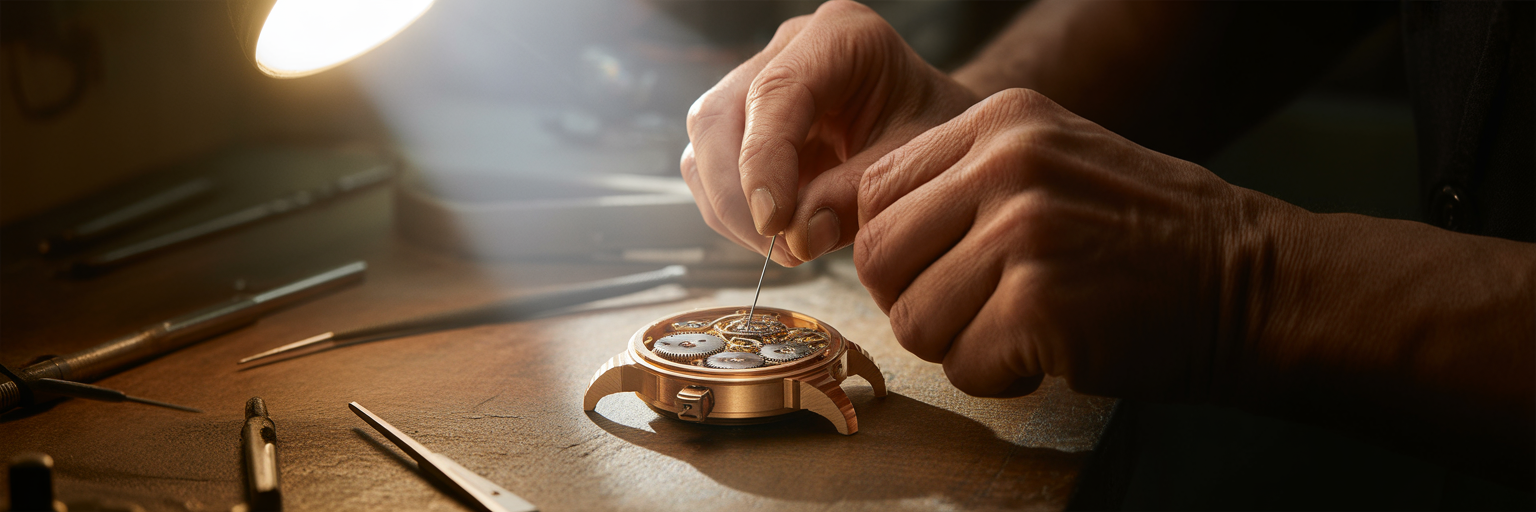
A beautiful case is worthless if it fails to protect your device. The question for many style-conscious consumers is, "Can a slim case actually be protective?" The answer is unequivocally yes. This section demystifies how stylish phone protection is achieved, pivoting from aesthetics to the science and engineering that deliver safety without bulk. Modern protection is about intelligence, not mass, reassuring you that you do not have to compromise on safety to achieve a refined look.
The Modern Challenge: Maximum Safety, Minimal Profile
The core engineering challenge for premium case designers is to provide maximum safety with a minimal profile. Advanced protection is no longer a function of sheer thickness. Instead, it relies on intelligent design, material science, and precision manufacturing. Think of a modern race car. It uses lightweight carbon fiber for strength and safety, not heavy steel. In the same way, the best cases use a combination of advanced materials and structural design to absorb and disperse impact forces effectively within a slim form factor.
Anatomy of a Slim Protective Case
The protective features of a high-quality slim case are often invisible to the naked eye. They are the result of careful engineering. An article from Shamo's blog effectively argues against the necessity of bulky phone cases, explaining that modern slim designs offer superior engineering. Here are the key components that work together:
- Dual-Layer Construction: Many slim cases use a synergistic combination of materials. A flexible TPU interior absorbs the initial shock of an impact, while a rigid polycarbonate exterior provides structural integrity and disperses the force across a wider area.
- Raised Bezels: A precisely engineered lip that extends just millimeters above the screen and camera module is one of the most critical protective features. This small detail prevents the glass from making direct contact with flat surfaces during a fall, drastically reducing the risk of scratches and cracks.
- Reinforced Corners: Since phones most often land on their corners when dropped, advanced designs incorporate air pockets or denser, shock-absorbent materials in these key areas. This allows the case to absorb and dissipate impact force where it is needed most, without adding bulk to the overall profile.
- Enhanced Grip: The best protection is preventing a drop in the first place. Subtle textures, ergonomic shaping, and thoughtful material choices are not just stylistic. They are functional features designed to provide a secure hold, making the phone less likely to slip from your hand.
Demystifying Military-Grade Drop Protection
You may have seen the term "military-grade drop protection" or MIL-STD-810G used to describe other cases on the market. It refers to a series of rigorous tests designed by the U.S. military to assess the durability of equipment in harsh conditions, and any brand citing it should be able to back the claim with real test data. What actually protects your phone day to day is thoughtful design: a raised camera lip, a raised screen lip, and shock-absorbing corners at the points most likely to hit the ground first. Through sophisticated engineering and the intelligent application of materials, slim, elegant cases can offer real everyday drop protection without added bulk.
Seamless Integration with the Apple Ecosystem
Beyond passive protection and aesthetics, a truly premium case must function as an active enhancement to your iPhone. It should feel like a natural extension of the device itself, working flawlessly within the broader Apple ecosystem. This section focuses on the critical role of functionality and user experience, establishing that a superior case improves usability rather than hindering it with poor design choices.
The Case as a Functional Enabler
The ideal case is an invisible partner to your iPhone. It should never get in the way. This means no blocked ports that interfere with charging cables, no muffled speakers that degrade audio quality, and no unresponsive buttons that make simple tasks frustrating. Instead, a well-designed case enhances the device's usability. It should feel so perfectly integrated that you forget it is even there, allowing you to interact with your phone as seamlessly as if it were naked, but with the quiet confidence that it is protected.
The Non-Negotiable Role of Perfect MagSafe Compatibility
In the current technology environment, MagSafe compatibility is a core feature, not an optional extra. However, "compatibility" is not a simple yes-or-no proposition. The quality of the magnetic connection is crucial. A premium case must feature a precisely aligned and powerful magnetic array to ensure a reliable, satisfying "snap" with the entire ecosystem of MagSafe accessories. A weak or misaligned connection can render chargers, wallets, mounts, and power banks frustratingly unreliable. This makes many luxury iPhone accessories difficult to use and undermines the entire experience. For a connection you can trust, our solid MagSafe rectangle case is engineered with a powerful magnetic array to ensure a perfect link every time.
Precision in Every Detail: Buttons and Ports
The physical interaction points of a case are where quality is most immediately felt. We have all experienced cheap cases with mushy, unresponsive buttons that require excessive force. In contrast, high-end cases feature responsive, tactile button covers that provide a satisfying "clicky" feedback, perfectly mimicking the feel of the iPhone's own buttons. Similarly, port cutouts must be perfectly aligned and generously sized. There is nothing more annoying than a charging cable that will not fit because the case cutout is too small. This attention to detail in every button and port is a hallmark of a product designed with the user's experience as the top priority.
Choosing a Case That Reflects Your Personal Brand
Having explored the why and what of modern iPhone cases, this final section provides a practical framework to help you make a confident choice. The goal is to select a case that not only protects your device but also aligns perfectly with your identity and lifestyle. It is about moving from theory to an actionable decision that you will be happy with every day.
A Framework for Your Selection
To find the right case, consider it as you would any other important accessory. Ask yourself a few key questions to guide your decision:
- Your Daily Environment: Where will your phone be seen most often? Does your case need to project authority and sophistication in a corporate office, resilience and creativity in a design studio, or understated elegance at a social event? The context matters.
- Your Personal Style: Are you a minimalist who prefers clean lines and neutral tones? A classicist drawn to timeless materials like leather? Or an individualist who uses color and texture to make a statement? Your case should be a harmonious part of your overall look.
- Your Values: What is most important to you in a product? Do you prioritize sustainable, eco-conscious materials, artisanal craftsmanship that tells a story, or cutting-edge engineering that delivers invisible protection?
The Professional Statement Piece
In a professional context, your iPhone case is a subtle but powerful tool for communication. A sophisticated, dark leather case can project an image of authority, tradition, and refinement. On the other hand, designer phone cases with unique materials or subtle, interesting colors can signal creativity, approachability, and individuality, especially in less formal business settings. The choice you make contributes to your professional brand, sending a message about your attention to detail and personal standards.
Investing in Longevity Over Fast Fashion
We stand firm in our belief that it is better to invest in a single, high-quality case that will endure and age gracefully than to accumulate a drawer full of cheap, disposable plastic cases. This "fast fashion" approach to tech accessories is ultimately less stylish. A premium case that lasts for years becomes a part of your personal story. This philosophy aligns with the 'quiet luxury' ethos, prioritizing lasting quality over fleeting trends. Now that you know what defines a truly exceptional case, explore our complete collection of rectangle iPhone cases to find the perfect expression of your personal style.


