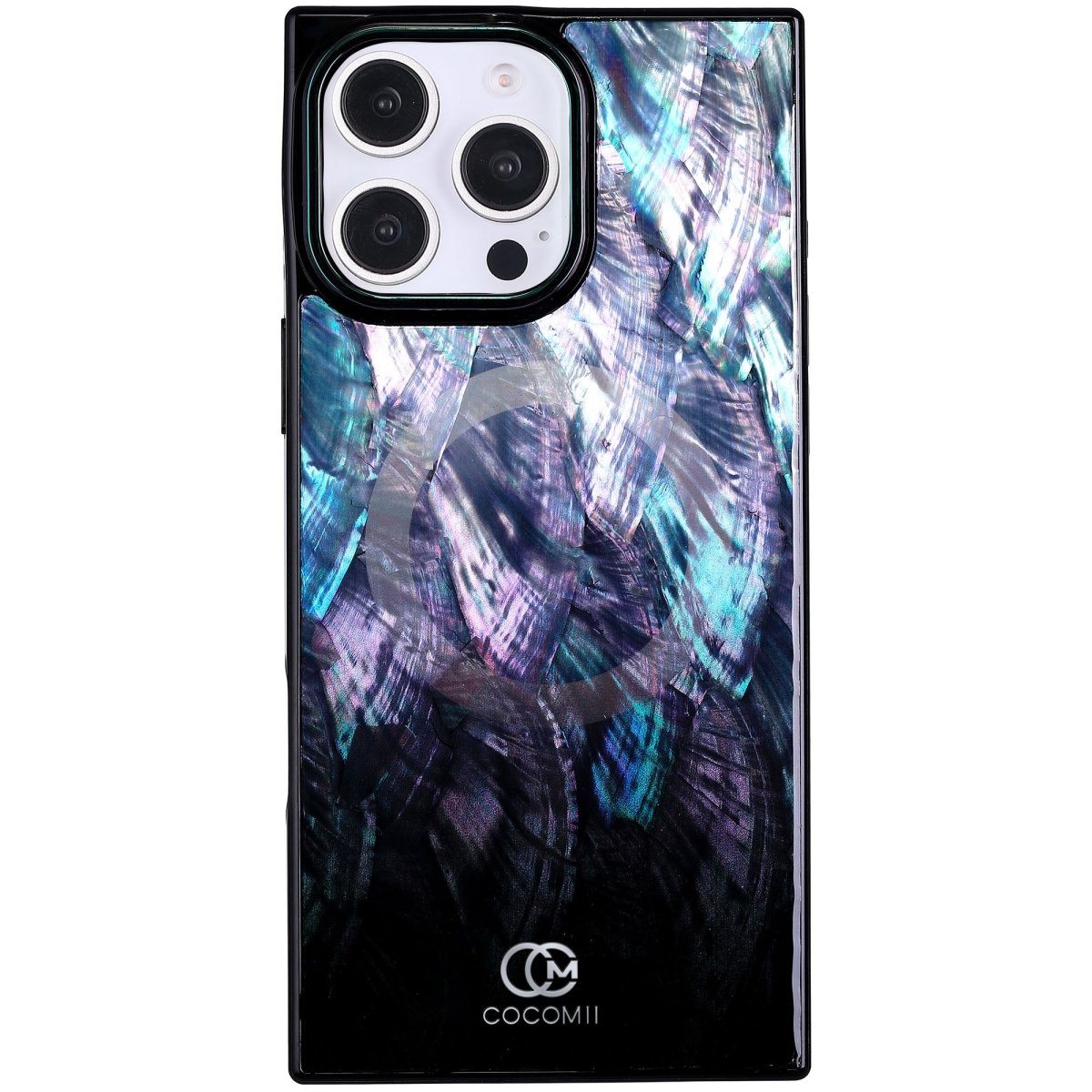





Choosing the right phone case starts with understanding what it's made from. We've tested silicone, TPU, polycarbonate, leather, and hybrid builds to see how each handles drops, scratches, and daily wear. This guide breaks down the most common iPhone case materials so you can protect your phone without giving up style.
How to Clean a Leather Phone Case
Leather and vegan leather cases need a dry cloth for daily dust, plus conditioning every few months with a product made for phone cases. For drop protection, leather and vegan leather are middle-of-the-pack performers: a thin leather wrap adds grip and a little shock absorption, but it will not stop a hard hit on concrete the way a thick TPU bumper does. Leather cases are still excellent at preventing scratches and minor bumps, and the confident grip they provide lowers the odds of a drop happening in the first place.
Key Takeaways
- Silicone offers the best grip and shock absorption but shows wear faster.
- TPU balances flexibility and impact resistance at a budget-friendly price.
- Polycarbonate is the hardest material, ideal for scratch protection but less shock-absorbent.
- Hybrid cases combine a hard shell with a soft inner layer for the best all-around protection.
- Your choice should match how you use your phone: active lifestyles need more drop protection, while style-focused users may prioritize leather or vegan leather.
Why iPhone Case Materials Matter

When you pick up an iPhone case, the first thing you notice is how it looks. But the material underneath that finish does the real work. The right material determines whether your phone survives a drop onto concrete, stays put in your hand during a one-handed scroll, and still looks good after a year in and out of your pocket. At Cocomii, we obsess over this because a case that feels cheap or slips too easily gets left in a drawer, and that helps no one.
Drop protection is the obvious starting point. A hard polycarbonate shell spreads impact across its surface. A soft TPU or silicone bumper absorbs the shock by flexing. Neither is universally better; they solve different problems. That's the core of the hard vs soft iPhone case debate. A soft case grips your fingers and cushions the blow, but it can stretch or yellow over time. A hard case stays slim and scratch-resistant, but it may feel slippery and transfer more force to the phone itself.
Grip, weight, and longevity all flow from the same choice. Heavier materials like leather feel premium but add bulk. Lighter silicone is comfortable but picks up lint. The right iPhone case material for you depends on how you use your phone, not on a single spec sheet. We'll break down each option in the sections ahead so you can match the material to your daily reality, whether that's a commute, a job site, or a night out.
Silicone: Soft, Grippy, and Forgiving

Silicone is the material most people picture when they think of a comfortable iPhone case. It has a slightly rubbery, almost velvety texture that feels secure in your hand, and that grip is a real safety feature. A silicone case rarely slides off a table or slips out of a pocket, which means fewer accidental drops in the first place. When a drop does happen, silicone's natural shock absorption helps cushion the impact. The material flexes and deforms on contact, spreading the force across a wider area instead of letting it concentrate on one corner of your phone.
That softness comes with trade-offs. Silicone tends to attract lint, dust, and pocket fuzz, especially in darker colors. Over time, the edges can start to wear smooth or even flake if you slide the case in and out of tight pockets. It also offers less structural rigidity than a hard polycarbonate shell, so it's not the best choice if you regularly toss your phone into a bag with keys and other sharp objects. Still, for everyday use, silicone hits a sweet spot between comfort and protection. At Cocomii, we see a lot of customers pair a silicone-style soft case with an angular design, because the angular edges give you a more secure grip while the soft material keeps the phone pleasant to hold for hours.
TPU (Thermoplastic Polyurethane): The Flexible Workhorse
TPU, or thermoplastic polyurethane, is the material most case makers reach for when they need a balance of flexibility and impact resistance. It's softer than polycarbonate but firmer than silicone, which means it absorbs shock without feeling flimsy. When we test protective iPhone case materials, TPU consistently performs well in drop tests because it deforms on impact and then springs back to its original shape. That rebound effect is what keeps your iPhone's corners from taking the full force of a fall.
You'll see TPU in two common forms. Clear TPU cases show off the phone's design while adding a grippy, slightly tacky surface that resists slips. Hybrid cases often use a TPU bumper around a harder polycarbonate back, giving you the best of both worlds. This combination is one reason TPU is considered a strong everyday iPhone case material, especially if you want protection without a bulky profile.
Durability is another TPU strength. Unlike silicone, TPU resists yellowing longer and doesn't stretch out of shape as quickly. It also holds up well to oils and sweat from your hands. For iPhone case durability, TPU is a workhorse that keeps its fit and finish through months of daily use. At Cocomii, we use TPU in several of our rectangle cases because it lets us keep edges slim while still meeting our drop-protection standards.
One tradeoff to note: TPU isn't as rigid as polycarbonate, so it may flex slightly if you press hard on the back. But for most people, that flexibility is a feature, not a flaw. It makes the case easier to install and remove, and it helps the case wrap tightly around the phone's buttons and ports. If you want a case that feels secure in hand and survives the occasional drop, TPU is a smart place to start.
Polycarbonate: Hard Shell Protection
Polycarbonate is the material we reach for when a case needs to shrug off scratches, resist dents, and keep its shape over years of daily use. It's a rigid thermoplastic that starts as pellets, gets melted, and is injection-molded into a shell that snaps around the back and edges of an iPhone. Because it's so stiff, polycarbonate transfers impact energy across its surface instead of letting it concentrate at one point. That's why it's a favorite for the hard side of an angular case or any design that needs a crisp, flat profile.
On its own, polycarbonate isn't very forgiving. It doesn't stretch or flex much, so a pure polycarbonate shell can feel slippery in hand and may crack if dropped onto concrete at the wrong angle. That's why most protective iPhone case materials pair polycarbonate with a softer inner layer, usually TPU or silicone, to absorb the shock before it reaches the phone. This combination is exactly what makes a hybrid case work: the hard polycarbonate back resists scratches and keeps the case from sagging, while the soft bumper cushions the corners.
When we talk about hard vs soft iPhone case options, polycarbonate is the defining hard material. It gives a case its structure, its clean lines, and its ability to slide into a pocket without catching. For anyone who wants a case that looks as sharp on day 300 as it did on day one, polycarbonate is the backbone that makes it possible.
Leather and Vegan Leather: Style Meets Substance
Leather has long been the go-to for iPhone users who want their case to feel as premium as the phone inside it. Leather develops a rich patina over time, absorbing oils from your hands and taking on a character that's entirely yours. It ages gracefully, which is why a well-worn leather case often looks better at month twelve than it did on day one. Vegan leather offers a similar aesthetic without animal products, and modern versions use polyurethane blends that resist scratches and scuffs remarkably well.
For drop protection, leather and vegan leather are middle-of-the-pack performers. A thin leather wrap adds grip and a little shock absorption, but it won't save your phone from a hard hit on concrete the way a thick TPU bumper will. That's why many stylish leather cases pair a soft interior lining with a rigid polycarbonate frame, giving you the premium feel without sacrificing basic protection. If you want that tailored, luxury look with a shape that stands out, an angular case from Cocomii delivers the same refined silhouette in a vegan leather finish, and it still fits comfortably in a pocket.
For everyday use, leather cases are excellent at preventing scratches and minor bumps. They also provide a confident grip, which reduces the chance of drops in the first place. The trade-off is durability: leather can show wear at the edges, while vegan leather is often more uniform and easier to clean. If you want a case that looks like a fashion accessory and handles daily life well, leather or vegan leather is a strong contender.
Hybrid Cases: The Best of Both Worlds
Hybrid cases pair a soft inner layer, usually TPU or silicone, with a hard outer shell made of polycarbonate. The soft layer absorbs shock when your phone takes a hit, while the hard shell resists scratches and keeps the case from stretching out over time. That combination is why hybrid designs consistently rank among the best iPhone case materials for people who want real drop protection without adding too much bulk.
What makes a hybrid case stand out is how the two layers work together. The flexible core wraps around the phone's edges and corners, which is where most impacts land. The rigid back plate spreads force across a wider area so a single point doesn't take the full blow. This dual-layer approach directly improves iPhone case durability, and it's the same engineering principle behind many rugged cases on the market today.
For iPhone users who want that balance of protection and style, an angular case with a hybrid build gives you a clean, structured look that still handles daily drops. At Cocomii, we design our rectangle cases with this layered thinking in mind, so you get a case that feels slim in hand but protects like a much bulkier one.
One thing to watch with hybrid cases is the seam between the two materials. Cheaper options can separate after a few months, but a properly built hybrid case keeps both layers bonded tightly. When you're comparing protective iPhone case materials, a hybrid case is often the smartest middle ground between a purely soft case and a hard shell.
Comparing Materials for Drop Protection
Drop protection is where the rubber meets the road for iPhone case materials. A case that looks great but shatters on first impact is a false economy, so we rate each material on the three factors that matter most when your phone takes a tumble: shock absorption, scratch resistance, and grip.
| Material | Shock Absorption | Scratch Resistance | Grip |
|---|---|---|---|
| Silicone | High | Low | Excellent |
| TPU | Very High | Moderate | Good |
| Polycarbonate | Low | Excellent | Fair |
| Leather / Vegan Leather | Moderate | Moderate | Good |
| Hybrid (TPU + PC) | Very High | Excellent | Good |
Silicone cases absorb shock well because the material compresses on impact, but they scratch easily and can pick up lint. TPU is the flexible workhorse we covered earlier, and it outperforms silicone on impact because it rebounds without tearing. Polycarbonate is nearly impossible to scratch, but a hard shell transfers force directly to the phone, which is why it's rarely used alone for drop protection. Leather and vegan leather sit in the middle: they cushion moderate drops and resist scuffs, but they aren't built for repeated hard impacts. The real winner for iPhone case durability is the hybrid approach, which pairs a shock-absorbing TPU bumper with a scratch-resistant polycarbonate back. That's the construction we favor in our own angular case lineup, because it protects against both the drop and the daily grind. When you compare materials side by side, hybrid cases consistently deliver the best balance of protection and longevity.
Hard vs Soft iPhone Case: Which Should You Choose?
The hard vs soft iPhone case debate comes down to your daily habits. Hard shells made from polycarbonate resist scratches and keep their shape, but they can crack on impact and offer less grip. Soft cases made from silicone or TPU absorb shock better and feel secure in your hand, yet they may stretch or yellow over time. If you drop your phone often, a soft or hybrid case wins on protection. If you prioritize a slim, polished look and rarely fumble, a hard case works well.
Think about where your iPhone spends its day. Commuters and gym-goers benefit from soft cases that cushion bumps against keys and equipment. Desk workers who set their phone on smooth surfaces often prefer hard cases for their clean lines. For a balanced option, our angular case pairs a rigid frame with a soft interior, giving you drop protection without the bulk. Whichever you choose, match the material to your routine, not just the look.
Material Trends in 2026
We're seeing a clear shift toward cases that feel as good as they look. The biggest story this year is the rise of clear and translucent materials, which let the iPhone's original color and finish show through while still adding a layer of protection. These cases often use a blend of polycarbonate and TPU, giving you a rigid back with flexible, shock-absorbing edges. Iridescent finishes are also having a moment, with pearl and holographic effects that catch the light without looking overly flashy.
Rectangle shapes are another trend we're watching closely. The angular silhouette has become a signature look for iPhone users who want something more architectural than the standard rounded case. Our own rectangle iPhone case style guide covers why this shape keeps showing up in our bestseller lists. It pairs especially well with minimal and animal prints, two aesthetics that continue to dominate.
What ties these trends together is a move toward materials that are both durable and design-forward. Buyers no longer want to choose between a case that protects and a case that looks good. In 2026, the best iPhone case material is the one that does both, whether that's a clear hybrid, an iridescent TPU, or a structured polycarbonate rectangle.
How to Choose the Best iPhone Case Material for Your Lifestyle
Choosing the best iPhone case material starts with an honest look at your daily routine. If you spend most of your day at a desk or in a car, a slim silicone or vegan leather case keeps things light and pocket friendly. If your weekends involve hiking, biking, or chasing kids across playgrounds, a hybrid case with a polycarbonate shell and TPU bumper gives you the drop protection you need without the bulk of a full rugged case.
Aesthetic preferences matter just as much as protection. We design our cases to feel like an extension of your personal style, so a material that looks great but feels wrong in your hand will end up in a drawer. For example, our angular case uses a smooth, scratch resistant finish that keeps its clean lines even after months of daily use. If you love the look of a rectangle case but worry about grip, look for a soft touch TPU edge that adds friction without changing the silhouette.
Finally, think about how often you upgrade your phone. If you trade in every year, a stylish single material case may be all you need. If you keep your iPhone for three or four years, investing in a hybrid or leather case that ages well is the smarter long term choice. The right material is the one that fits your hands, your habits, and your aesthetic without making you think about it.
Caring for Your iPhone Case
Keeping your case clean does more than make it look good. It directly extends iPhone case durability by preventing grit and oils from breaking down the material. For silicone and TPU, wipe with a damp soft cloth and mild soap every week, then let it air dry completely before putting it back on. Polycarbonate shells can handle a soft cloth with a little isopropyl alcohol, but avoid abrasive sponges that leave scratches. Leather and vegan leather need a different touch: use a dry cloth for daily dust, and condition leather every few months with a product made for phone cases.
One habit we recommend at Cocomii is removing your case once a month to clean both the inside of the case and the back of your iPhone. Dust trapped between the two can act like sandpaper over time. A case with a smooth interior lining makes this quick wipe-down easy, so the protective layer stays effective for years. If your case has a pattern or iridescent finish, skip harsh chemicals and stick with water and a drop of gentle dish soap. Let everything dry fully before reassembling to avoid moisture getting trapped against the phone.
What Your Phone Case Says About You
Your iPhone case is a quiet billboard for your personality, and the material you choose says more than you might think. A slim silicone sleeve in a soft neutral often signals a minimalist who values grip and everyday ease over flash. A clear polycarbonate shell tends to belong to someone who wants the phone's original design to stay front and center, with just enough protection to keep daily life stress-free. Leather and vegan leather cases read as polished and intentional, the kind of choice made by people who treat their phone like a polished wallet or a favorite pair of shoes.
At Cocomii, we see this pattern every day. Our designer iPhone case style guide breaks down how case choices reflect personal style, from iridescent finishes that love a little attention to matte rectangle designs that prefer to keep things understated. The material you pick is rarely random. It reflects how you carry your phone, how often you drop it, and how much you want your device to blend in or stand out. A hard shell suggests you prioritize structure and a clean silhouette. A soft TPU case hints at someone who wants a forgiving, tactile feel in the hand. Neither is better. They're just different ways of saying who you are.
Frequently Asked Questions
What is the best iPhone case material for drop protection?
Polycarbonate offers the strongest impact resistance for serious drops, while TPU absorbs shock on the corners. A hybrid case combining both gives the best all-around protection, which is why many of our Cocomii phone cases use a dual-layer design.
Are hard or soft iPhone cases more durable?
Hard cases resist scratches and keep their shape longer, but soft cases absorb impacts better and are less likely to crack. For everyday durability, a soft TPU or silicone case with reinforced corners often outlasts a rigid polycarbonate shell, especially if you drop your phone frequently.
Which material feels best in hand?
Silicone and soft-touch TPU provide the most comfortable grip, while leather adds a premium, natural feel. If you prefer a sleek, minimalist look, a matte polycarbonate case offers a smooth finish without bulk. Our angular case balances grip and style for daily use.
Do protective iPhone case materials add a lot of bulk?
Not necessarily. Modern TPU and hybrid designs are slim yet protective, often under 12mm thick. Look for cases with raised bezels and reinforced corners rather than thick padding. A well-engineered angular case can offer serious drop protection without feeling bulky in your pocket.
What Makes a Luxury Phone Case Premium Materials
Premium feel usually comes down to leather or vegan leather, which develop a rich texture over time and give a case a tailored, polished look, paired with a rigid frame for basic protection. For all-around performance rather than pure style, a hybrid case that pairs a shock-absorbing TPU bumper with a scratch-resistant polycarbonate back balances shock absorption, scratch resistance, and grip better than any single material on its own. Whether that combination still suits a newer iPhone, including recent models like the iPhone 17, comes down to those same three factors rather than the phone generation itself.
What Type of Cases Are Best for iPhones
A hybrid case that combines a TPU bumper with a polycarbonate back rates well across shock absorption, scratch resistance, and grip, making it a strong option for overall protection. Silicone cases offer excellent grip and shock absorption for everyday drops but wear faster and scratch more easily, while a hard polycarbonate shell resists scratches but offers less cushioning on its own. The right type of case for iPhone protection depends on matching that balance of shock absorption, scratch resistance, and grip to how often you drop your phone.
What Are the Most Durable Materials Used for iPhone 15 Cases
For durability, TPU resists yellowing and holds its shape better than silicone, keeping its fit and finish through months of daily use. Polycarbonate is a hard material that resists scratches and dents well, though on its own it offers less shock absorption. A durable combination pairs the two: a hybrid case with a TPU bumper and a polycarbonate back keeps its shape, resists scratches, and cushions impacts better than either material used alone, whichever current iPhone model the case is built for.
How to Clean an iPhone Leather Case
Leather and vegan leather need a different touch than the other case materials: use a dry cloth for daily dust, and condition leather every few months with a product made for phone cases. Vegan leather is generally more uniform and easier to clean than genuine leather, which can show wear at the edges over time. This care routine is the same whichever current iPhone model the leather case is built for, since it is the material rather than the phone generation that determines how to clean it.
Do TPU Cases Protect Your Phone
Yes. TPU deforms on impact and then springs back to its original shape, which is the rebound effect that keeps a phone's corners from taking the full force of a fall. It rates very high for shock absorption and good for grip, and it resists yellowing longer than silicone while holding its shape through months of daily use. Hybrid cases often wrap a TPU bumper around a harder polycarbonate back, which is one reason TPU is considered a strong everyday case material.
Do Thin Cases Protect Your Phone
Modern TPU and hybrid designs can be slim, often under 12mm thick, without giving up protection, since raised bezels and reinforced corners do more of the work than sheer bulk. TPU absorbs shock by deforming on impact and then springing back into its original shape, which is why a thin case built from it can still rate well for drop protection. Case thickness matters less than the material and construction behind it.