








The Enduring Appeal of the Crystal-Clear Accessory
Our smartphones are the most personal technology we own, a constant companion in our daily lives. The accessories we choose are not just for protection; they are a deliberate extension of our personal style.
Opting for a clear iPhone case is a conscious aesthetic decision. It signals a minimalist yet confident approach, allowing the iPhone’s carefully engineered design and colour to remain the centerpiece. We choose a specific finish for a reason, whether it's the deep hue of a new Pro model or a vibrant limited edition colour. A clear case honours that choice. It’s a statement that says you appreciate the original design and have nothing to hide.
But the best clear cases do more than just disappear. They add their own architectural dimension. A unique silhouette, such as a distinctive rectangular form, transforms the phone from a simple device into a curated fashion piece. This is where protection evolves into personal branding. These are not just covers; they are luxury iPhone accessories that complement both the technology and the individual holding it. The clean lines and defined edges of a rectangular case create a modern, structured look that feels intentional and sophisticated.
This brings us to the core conflict every clear case owner faces. We can all picture the disappointment of seeing a once-pristine case slowly succumb to a dull, yellowed tint. That crystal clarity becomes cloudy, and the sleek aesthetic we invested in starts to look neglected. This degradation undermines the very reason for the purchase, turning a style statement into a sign of wear. The accessory that was meant to enhance the iPhone’s beauty now detracts from it.
Preserving that brand-new look is about more than just cleanliness. It’s about maintaining a key element of your personal style. This guide is designed to help you protect your investment, ensuring your clear case continues to provide the aesthetic value you expect from day one.
The Science Behind Case Discolouration and Grime
That frustrating yellow tint that appears on clear cases over time isn’t just dirt. It’s the result of a chemical process. The primary culprit is ultraviolet (UV) radiation from the sun. Most clear cases are made from polymers, and when these materials are exposed to UV light, they undergo a process called photodegradation. The UV rays break down the chemical bonds within the polymer chains, causing them to change structure and absorb light differently, which our eyes perceive as a yellow colour.
Think of how old photographs or paper left in the sun gradually turn yellow and brittle. The same fundamental process is happening to your phone case. This process is a well-documented phenomenon in materials science, with extensive research, such as a 2019 study published in Nature Communications, exploring the complex ways plastics degrade under environmental stressors. It’s a natural material reaction, not a sign of a poorly made product, though material quality does determine the rate of change.
Oxidation and heat accelerate this degradation. Constant exposure to air, combined with heat from various sources, speeds up the chemical breakdown. This heat can come from direct sunlight, the warmth generated by your iPhone’s processor during heavy use, or even just your own body heat transferred through your hands. This explains why a case can begin to yellow even if it’s kept away from direct sun for most of the day. The goal is to understand these factors to stop phone case from yellowing as much as possible through preventative habits.
It's important to distinguish this irreversible chemical yellowing from the separate issue of surface grime. Everyday life contributes to a cloudy, dirty film on your case. The main sources are sebum, the natural oils from your skin, along with residue from hand lotions, makeup, and even dye transfer from the fabric of your pockets, especially denim. This film builds up over time, trapping microscopic dirt and dust particles, which dulls the case’s transparency and makes it feel sticky or slick.
Here is the crucial takeaway: surface grime is cleanable, but chemical yellowing is a permanent change to the material itself. No amount of scrubbing can reverse photodegradation. Understanding this distinction is key to managing your expectations and focusing your efforts on what you can control: regular cleaning to remove grime and preventative measures to slow down the inevitable yellowing process.
A Step-by-Step Weekly Cleaning Ritual
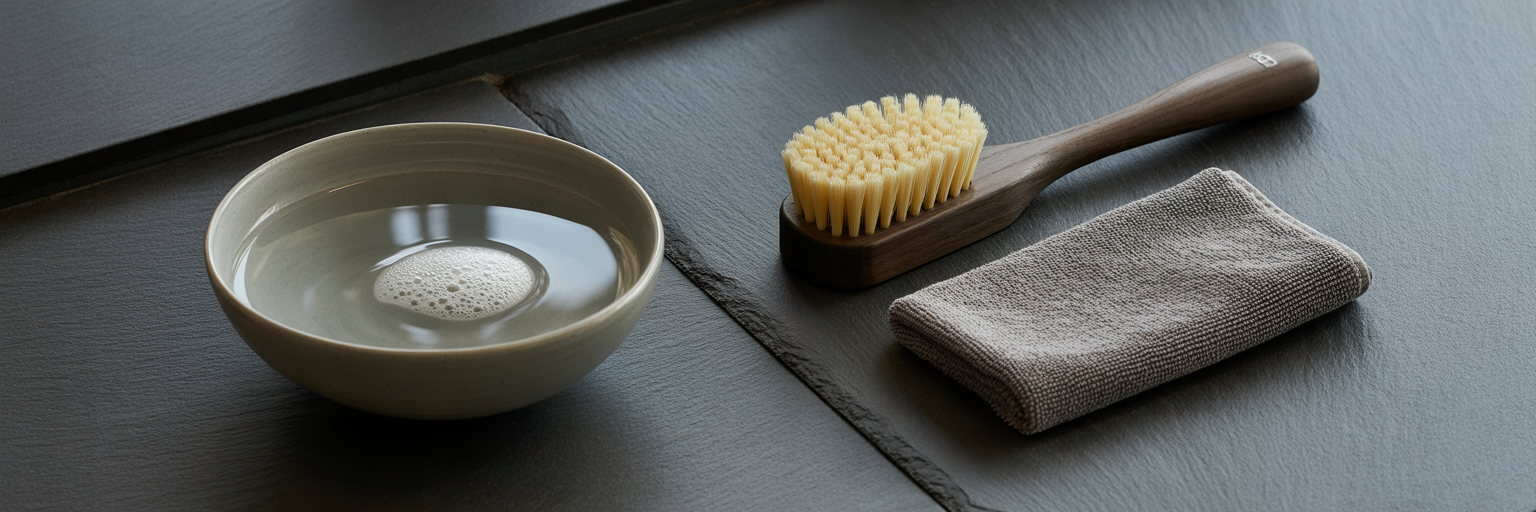
Maintaining that out-of-the-box clarity is achievable with a simple, consistent cleaning routine. This weekly ritual takes only a few minutes but makes a significant difference in preventing the buildup of oils and dirt that cause a case to look dull. Before you begin, gather a few gentle tools: a small bowl of warm water, a few drops of mild dish soap, two lint-free microfiber cloths, and a soft-bristled brush like an old toothbrush.
This process is the most effective answer to the question of how to clean clear phone case without causing damage. Harsh chemicals are not necessary and can often do more harm than good. This weekly ritual is especially effective for maintaining the pristine look of high-clarity accessories, like our Clear MagSafe Rectangle Case, where transparency is a key feature.
Follow these steps for a perfect clean every time:
- Preparation: The first and most important step is to remove the case from your iPhone. This not only protects your device from moisture but also allows you to access every nook and cranny of the case where grime loves to hide. Set your phone aside on a safe, dry surface.
- Washing: Create your cleaning solution by adding a few drops of mild dish soap to the bowl of warm water and mixing it gently. Dip one of the microfiber cloths into the soapy water, then wring it out so it’s damp, not dripping. Carefully wipe down every surface of the case, paying attention to both the inside and the outside. The goal is to lift the surface layer of oils and dust.
- Detailing: This is where the soft-bristled brush comes in. Dip the brush into the soapy water and use it to gently scrub the areas where grime accumulates most. Be specific and methodical. Focus on the inside corners, the raised lip around the camera cutout, the button covers, and the small openings for the charging port and speakers. Use small, circular motions to dislodge any stubborn buildup without scratching the material.
- Rinsing and Drying: Once you’ve finished scrubbing, rinse the case thoroughly under cool running water. Make sure to wash away all soap residue, as any leftover soap can leave a sticky film. After rinsing, take the second, completely dry microfiber cloth and meticulously dry the case. Then, for the final touch, let the case air-dry on a clean surface for at least an hour. This ensures that no microscopic moisture gets trapped between the case and your phone, which could cause watermarks or even damage your device over time.
By making this simple routine a weekly habit, you actively combat the daily accumulation of grime, keeping your clear case looking sharp and feeling clean.
Advanced Solutions for Stubborn Stains and Buildup
Sometimes, a weekly wash isn't enough to tackle every mark. For more stubborn stains or a persistent oily film, you can turn to a few advanced techniques. These methods should be used sparingly and with care, as they are more intensive than a simple soap-and-water wash. This level of care is part of proper designer phone case maintenance, ensuring your premium accessory stays in top condition.
For localized stains, such as a small mark from a pen or a patch of discolouration from dye transfer, a baking soda paste can be effective. Simply mix a small amount of baking soda with a few drops of water to create a thick paste. Apply the paste directly to the stain and gently rub it in with your finger or a soft cloth. Let it sit for a few minutes, then rinse it off thoroughly. Baking soda is a mild abrasive, so it’s important to rub gently to avoid creating micro-scratches.
If your case has a stubborn, greasy film that soap can’t seem to cut through, often caused by cosmetics or heavy lotions, 70% isopropyl alcohol can help. Lightly dampen a microfiber cloth with the alcohol and wipe down the case. The alcohol is excellent at dissolving oils and will leave the surface feeling squeaky clean. However, a strong word of caution is necessary here. Never soak your case in alcohol or use a solution stronger than 70%. Apply it sparingly and avoid using it on cases with special oleophobic (oil-resistant) coatings or printed designs, as it can strip them away over time.
Just as important as knowing what to use is knowing what to avoid. Many common cleaning "hacks" found online can cause permanent damage to your case. You should never use bleach, window cleaner, abrasive powders like Comet, or even toothpaste to clean your clear case. The harsh chemicals in these products will cause the polymer to become cloudy and brittle, permanently ruining its clarity and weakening its protective structure. The abrasives will create a network of fine scratches that will make the case look dull and old.
Finally, it’s important to know when to accept that a stain is permanent. Some substances, particularly strong dyes from clothing or certain types of ink, can chemically bond with the polymer of the case. When this happens, no amount of cleaning will remove the stain. Trying to scrub it out aggressively will only cause more damage to the surface. At this point, the mark becomes part of the case's history, and your best defence is prevention for the future.
Proactive Habits for Long-Lasting Transparency
While cleaning removes existing grime, the most effective strategy for keeping your clear case pristine is prevention. Integrating a few small, mindful habits into your daily routine can dramatically slow down the accumulation of dirt and the onset of yellowing. These actions are the foundation of long-term preservation, ensuring your case looks its best for as long as possible.
These habits are part of a larger approach to curated personal style, and you can find more tips on coordinating your accessories on our Style Edit blog. Think of these as simple, conscious choices that have a significant impact.
- Mindful Placement: Be aware of where you set your phone down. We often place our phones on surfaces without a second thought, but this is a primary way they pick up dirt and oils. Try to avoid putting your phone on greasy kitchen counters while cooking, dusty workshop tables, or restaurant tables that might have residue from cleaning sprays or spilled drinks. A clean desk or a dedicated spot at home is always the best choice.
- Minimize UV and Heat Exposure: Since UV radiation is the main cause of yellowing, limiting exposure is key. You don’t have to hide your phone away, but small adjustments help. When you’re outdoors, try placing your phone screen-up (case-down) on a table to shield the case from direct sun. Avoid leaving it on a car dashboard, where the combination of intense sunlight and high heat creates a perfect storm for polymer degradation.
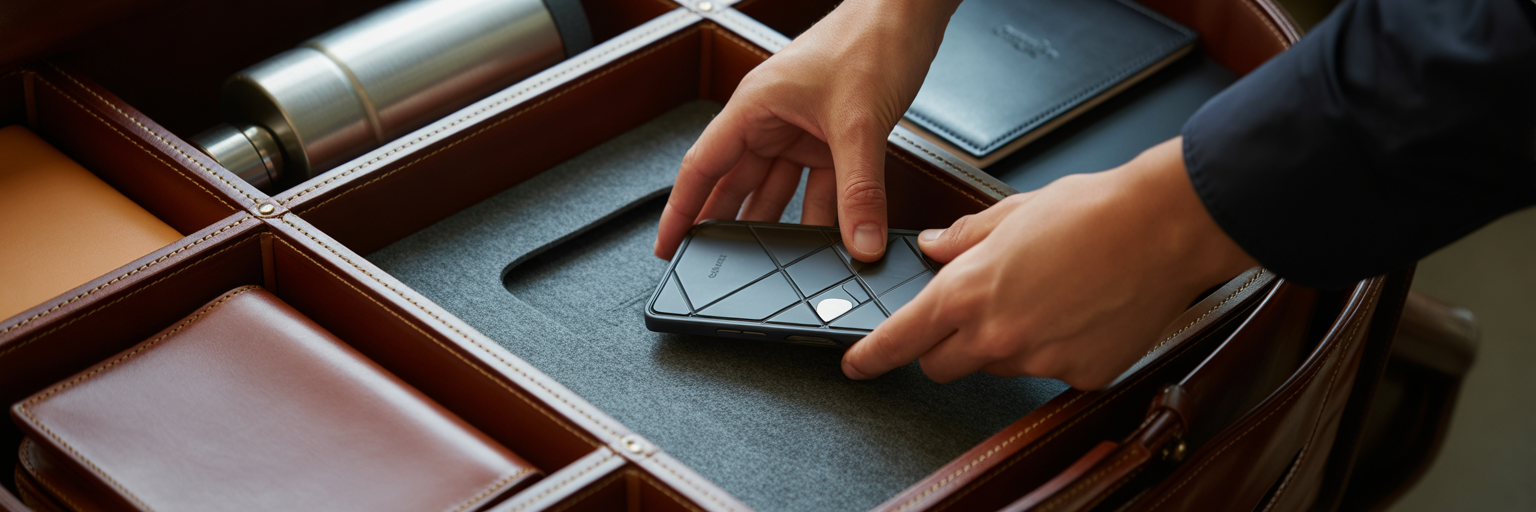
- Smart Storage: Pockets and bags are hotspots for lint, dust, and other small debris that can cause micro-scratches. Over time, these tiny scratches accumulate and dull the surface of your case, reducing its clarity. If possible, dedicate a clean pocket just for your phone. In a bag or backpack, use a separate, soft-lined compartment to protect it from keys, pens, and other items that could scratch it.
- The 'Rest Day' Concept: Here’s an idea you may not have considered. Occasionally, perhaps once a week, take your case off overnight. This allows any microscopic moisture trapped between the phone and the case to evaporate completely. It also gives you a perfect opportunity to quickly wipe down both the inside of the case and the back of your phone with a dry microfiber cloth. This simple action prevents the slow buildup of abrasive dust particles that can wear away at both your case and your device.
By adopting these proactive habits, you shift from a reactive cleaning mindset to a preventative care regimen. It’s not about being overly cautious; it’s about treating a valued accessory with the attention it deserves.
Material Science: Why Not All Clear Cases Are Equal
When you’re trying to find a clear case that lasts, the material it’s made from is the single most important factor. Understanding the differences in materials explains why some cases yellow in a few months while others maintain their clarity for much longer. Investing in a well-engineered case made from premium materials is not just about looks; it’s about longevity and superior protection.
The two most common materials used for clear cases are TPU (Thermoplastic Polyurethane) and PC (Polycarbonate). TPU is a flexible, rubber-like polymer known for its excellent shock absorption. It provides great grip and impact protection, but it is also more susceptible to yellowing from UV exposure. PC, on the other hand, is a rigid, hard plastic that is highly transparent and far more resistant to yellowing. However, it’s less flexible and can be more prone to cracking on impact if not engineered correctly. When searching for the best clear iPhone case material, you’ll find that neither one is perfect on its own.
This is why premium manufacturers have moved toward a hybrid construction. The most effective and durable clear cases fuse a rigid PC backplate with a flexible TPU bumper. This design offers the best of both worlds: the PC back provides exceptional, long-lasting clarity and structural integrity, while the TPU bumper delivers superior grip and absorbs the force from drops and impacts. This advanced engineering is central to modern case design, as seen across the COCOMII collection for the iPhone 15 Pro Max, which leverages these material strengths for both style and durability.
Beyond the base materials, look for signs of advanced manufacturing. High-end cases often incorporate special anti-yellowing "blue resin" additives directly into the polymer mix. This additive helps counteract the yellowing effect of UV radiation, significantly extending the life of the case’s clarity. Another feature you might notice is a subtle interior micro-dot pattern. This is not a defect; it’s a deliberate design feature that prevents the "wet look" or rainbow effect that can occur when a perfectly smooth case presses against the glass back of an iPhone.
| Feature | TPU (Thermoplastic Polyurethane) | PC (Polycarbonate) | Hybrid (PC Back + TPU Bumper) |
|---|---|---|---|
| UV Resistance (Yellowing) | More susceptible | Highly resistant | Excellent (benefits from PC back) |
| Flexibility | High (soft and pliable) | Low (rigid and hard) | Strategic (rigid back, flexible sides) |
| Impact Protection | Excellent (absorbs shock) | Good (shatter-resistant) | Superior (combines shock absorption and rigidity) |
| Clarity & Finish | Good, but can cloud over time | Excellent, high optical clarity | Best of both worlds |
| Feel & Grip | Soft, often grippy | Hard and smooth | Grippy edges with a smooth back |
Note: This table summarizes the general properties of these common materials. The final performance of a case depends heavily on the quality of the raw materials and the specific engineering and design choices made by the manufacturer.
A Well-Maintained Case as a Mark of Distinction
Ultimately, caring for your clear case is about more than just hygiene. It’s an act of personal curation, much like polishing a pair of leather shoes or cleaning a luxury watch. A pristine, flawlessly clear case signals an attention to detail that quietly elevates your entire aesthetic. It shows that you value not only the big picture but also the small elements that complete it.
Your choice of a phone case was a deliberate one, not just a practical necessity. A perfectly maintained clear case, especially one with a unique architectural form like a rectangular design, serves as a subtle but powerful statement. It communicates a modern sensibility and a refusal to settle for the ordinary or the mediocre. It reinforces the idea that the luxury iPhone accessories you choose are a reflection of your personal standards.
By following the cleaning rituals and preventative habits outlined here, you are doing more than just fighting yellowing and grime. You are taking ownership of your style. You are ensuring that the accessories you carry every day consistently represent the best version of yourself. This isn't just about cleaning plastic; it's about maintaining the integrity of your chosen aesthetic.
By caring for each piece, you build a collection that truly represents you. Explore the full range of designs at COCOMII to find the next element of your personal style. A well-maintained case is the finishing touch, a mark of distinction that proves every detail of your presentation is considered and cared for.


