








The Philosophy of the Unadorned iPhone
Since its inception, the iPhone has been as much an object of industrial design as a piece of technology. This philosophy, prioritising material integrity and form, is why many owners seek to protect their device without obscuring it. The choice of a clear case is a deliberate one, born from a desire to appreciate the original craftsmanship. Apple’s specific decisions in materials, from aerospace-grade aluminium to surgical-grade stainless steel, and the deep, lustrous finish of their colours are integral to the experience. Why hide that behind an opaque barrier?
A premium clear case is not merely a utility item. It is a fashion and luxury accessory choice. Think of it like a high-end watch with an exhibition caseback that reveals the intricate, self-winding movement within. The transparent crystal doesn't just protect the mechanism; it celebrates the engineering and artistry. Similarly, a high-quality clear case should frame the iPhone, preserving its intended aesthetic while offering necessary protection. It’s a statement that you value the design you paid for.
Herein lies the central conflict. A clear case that becomes dirty, scratched, or yellowed completely negates its purpose. Instead of showcasing the iPhone’s premium look, a degraded case makes the entire device appear cheap and poorly maintained. That pristine, almost invisible shield you chose suddenly becomes a noticeable flaw, detracting from the very design it was meant to preserve. We’ve all seen it: a beautiful Pacific Blue iPhone trapped inside a murky, yellowed shell. The effect is jarring.
This paradox is the core problem we aim to solve. Maintaining that clean, minimal look requires a disciplined approach. It is a combination of making an informed purchase, committing to diligent maintenance, and adopting specific handling habits. True premium clear phone case care is about understanding the materials and the environmental factors that work against them. It’s less about frantic cleaning and more about consistent, mindful ownership.
The ultimate goal is to ensure the iPhone itself remains the focal point. To achieve this, you must first understand the science of case materials and the factors that degrade them over time. With that knowledge, you can build a routine that keeps your case looking as immaculate as the device it protects. The following sections will provide the insights needed to master this balance of protection and presentation.
A Deep Dive into Transparent Case Materials
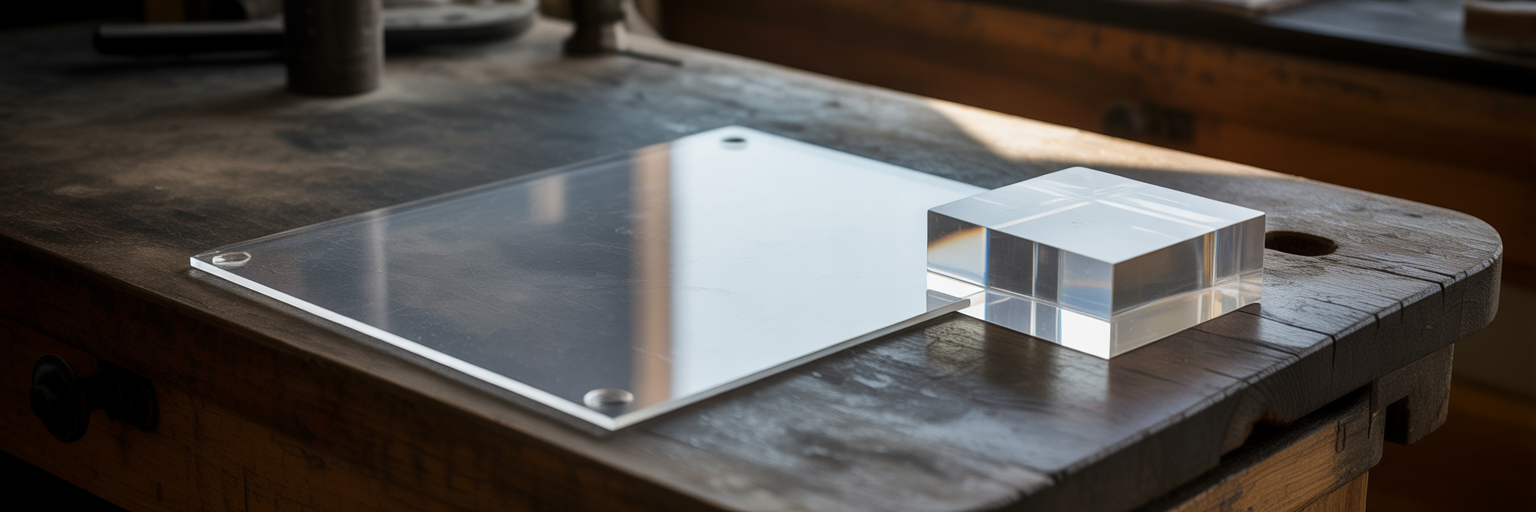
The long-term clarity and durability of a clear case are determined almost entirely by its material composition. Not all transparent polymers are created equal, and understanding the differences is the first step toward making a purchase that lasts. The best clear iPhone case material is often not a single substance but a thoughtful combination of several, each chosen for its unique properties.
The Rigidity and Clarity of Polycarbonate (PC)
Polycarbonate is a rigid, durable thermoplastic known for its exceptional optical clarity and impact resistance. You’ll typically find it used for the backplate of premium clear cases. Its stiffness prevents flexing, which helps maintain a snug fit and provides a solid, protective barrier against direct impacts. More importantly, PC is highly resistant to the oils and acids from our hands, and it does not yellow from UV exposure in the same way that more flexible materials do. Its hardness also gives it superior scratch resistance, keeping the largest surface of your case looking pristine for longer.
The Flexibility and Protection of Thermoplastic Polyurethane (TPU)
While polycarbonate provides rigidity, Thermoplastic Polyurethane offers flexibility and shock absorption. This is why TPU is the material of choice for the bumpers and edges of a case. Its soft, rubber-like texture provides excellent grip, reducing the chances of accidental drops. When a drop does occur, TPU’s elasticity allows it to compress and absorb the impact energy, protecting the vulnerable corners and frame of your iPhone. However, this flexibility comes with a trade-off. TPU is more porous than PC, making it susceptible to absorbing oils and, most notably, degrading under UV radiation, which causes it to yellow over time.
The Superiority of Hybrid Constructions
This brings us to hybrid designs, which represent the pinnacle of clear case engineering. By combining a rigid polycarbonate back with a flexible TPU frame, these cases offer the best of both worlds. You get the lasting, crystal-clear view of your iPhone’s back through the PC panel, while the shock-absorbent TPU bumper protects against drops and provides a secure grip. This construction, as seen in options like our Clear Magsafe Rectangle Case, offers a balanced solution that delivers both robust protection and sustained aesthetic appeal.
The Importance of Material Grade and Coatings
Beyond the type of polymer, the quality is paramount. Premium case manufacturers use high-grade, non-recycled polymers that are specifically formulated for clarity and durability. Furthermore, many top-tier cases are treated with proprietary coatings. Special UV-stabilizing additives and anti-yellowing formulas are mixed into the TPU during production to significantly slow the oxidation process. Some PC backplates also receive an anti-scratch coating, further enhancing their resilience. These invisible treatments are what separate a case that stays clear for months from one that yellows in a few weeks.
| Material | Key Properties | Primary Use | Long-Term Clarity & Durability |
|---|---|---|---|
| Polycarbonate (PC) | Rigid, high optical clarity, scratch-resistant | Backplate of the case | Excellent clarity retention, but can be brittle upon impact |
| Thermoplastic Polyurethane (TPU) | Flexible, shock-absorbent, high grip | Bumpers and flexible, single-body cases | Prone to yellowing from UV exposure and oil absorption over time |
| Hybrid (PC + TPU) | Combines PC rigidity with TPU flexibility | Rigid backplate with shock-absorbing frame | Offers the best balance of lasting clarity on the back and impact protection on the sides |
| Silicone | Soft, high grip, flexible | Single-body flexible cases | Not optically clear; typically translucent or colored. Attracts lint but is resistant to yellowing. |
Ultimately, the material composition is the most critical factor in a case's long-term performance. Making an informed choice at the point of purchase is the most effective step you can take toward ensuring your case remains as transparent as possible for as long as possible.
The Science Behind Case Discoloration and Degradation
To effectively care for a clear case, it is essential to understand why it degrades. The common yellowing and dullness are not signs of a dirty case but rather evidence of irreversible chemical and physical changes in the material. Knowing the science behind this process helps set realistic expectations and shifts the focus from impossible "cures" to effective prevention.
The Primary Culprit: UV Radiation
The most significant factor in case yellowing is ultraviolet (UV) radiation from the sun. When flexible polymers like TPU are exposed to UV light, the energy from the light breaks down the long polymer chains that make up the material. This process, known as photodegradation, causes oxidation and creates new chemical structures called chromophores. These chromophores absorb light in the blue spectrum, which makes the material appear yellow to our eyes. It’s the same fundamental process that causes old newspapers or clear plastics left in a window to turn yellow over time. As a 2020 review in the journal Polymers highlights, this degradation of polyurethane materials from UV exposure is a well-documented chemical phenomenon.
Accelerants: Heat, Oils, and Acids
While UV radiation is the primary cause, other factors can accelerate the yellowing process. Heat, whether from the phone’s own processor during heavy use or from being left in a hot car, adds energy to the system and speeds up these chemical reactions. Furthermore, the natural oils, sweat, and acids from our skin can be absorbed by the porous structure of TPU. These substances can interact with the polymer chains, contributing to their breakdown and discoloration. This is why the sides of a case, where you grip it most, often yellow faster than other areas.
Debunking Ineffective Cleaning Myths
A quick search online reveals dozens of "hacks" promising to reverse yellowing. These methods, which often involve soaking the case in bleach, scrubbing it with baking soda paste, or using toothpaste, are entirely ineffective. It is crucial to understand that yellowing is a chemical change within the material, not a surface stain. These abrasive or harsh chemical treatments cannot reverse the oxidation. At best, they do nothing. At worst, they can strip away protective coatings and even damage the polymer, causing it to become brittle or hazy.
Understanding Micro-Scratches and Hazing
Separate from yellowing is the issue of dullness or hazing. This is a physical, not chemical, problem. Over time, daily handling causes thousands of microscopic scratches on the surface of the case, particularly on the polycarbonate back. While individually invisible, these tiny abrasions accumulate and diffuse the light passing through the case. Instead of a crisp, clear view, you get a cloudy, hazy appearance. This is why a case can look dull even if it hasn't started to yellow. Aggressive cleaning with harsh cloths or chemicals can worsen this effect, creating even more micro-scratches.
The honest takeaway is this: while premium materials with UV-stabilizing additives can significantly delay discoloration, no polymer-based clear case is entirely immune to these forces forever. The goal is not to find a magic way to stop a clear case from yellowing completely, but to slow the process dramatically through smart material choices and mindful habits.
The Definitive Regimen for Cleaning and Maintenance
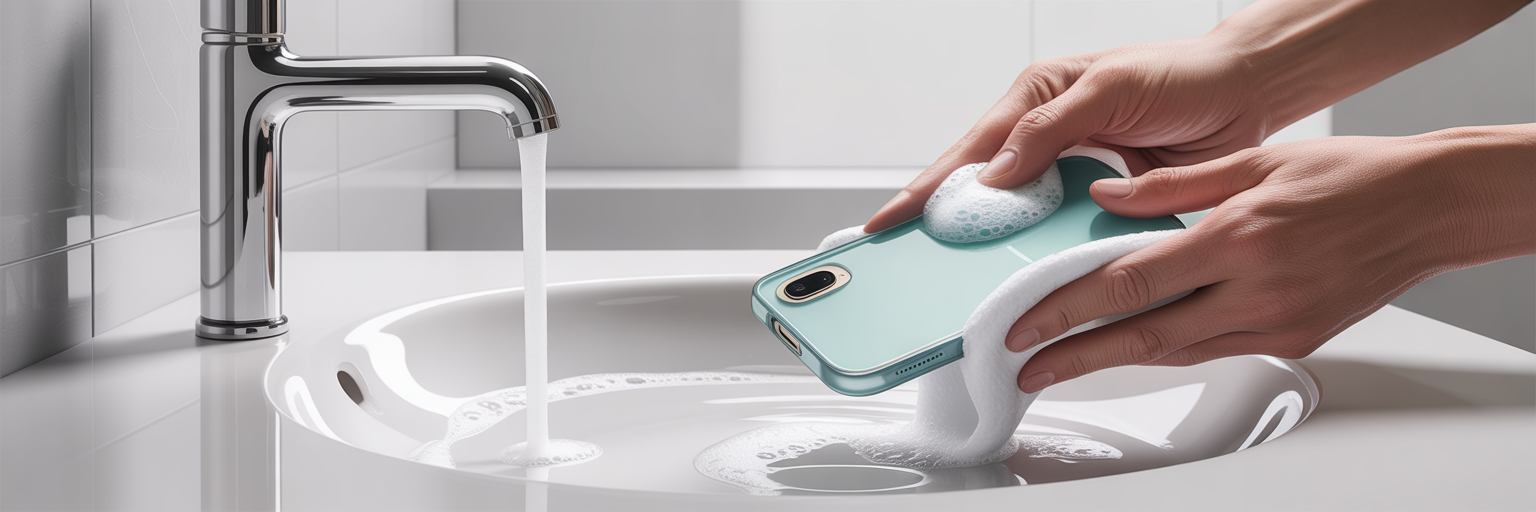
While you cannot reverse chemical yellowing, a consistent cleaning routine is essential for removing the surface grime, oils, and bacteria that accumulate daily. This regimen keeps your case looking fresh, feeling great in the hand, and prevents buildup that can dull its finish. The key is to use gentle methods that clean effectively without damaging the case's materials or its protective coatings. Following a simple weekly and daily plan is the most effective way to handle how to clean a clear phone case.
For your weekly deep clean, follow these steps precisely:
- Remove the iPhone from the case. Never clean the case with the phone inside, as moisture can get trapped and damage your device. This also allows you to clean the interior of the case, where dust and grit can accumulate and scratch your phone.
- Rinse the case under lukewarm water. A quick rinse will wash away any loose dust and debris before you begin scrubbing. Avoid hot water, as extreme temperatures can stress the material.
- Create a mild cleaning solution. In a small bowl, mix a few drops of gentle dish soap (like one you'd use for hand-washing dishes) with warm water. The soap acts as a surfactant, breaking down the oils and grime from your hands.
- Gently scrub the case. Submerge a soft microfiber cloth in the soapy water and use it to gently wipe down all surfaces of the case. For hard-to-reach corners, button cutouts, and speaker grilles, use a soft-bristled toothbrush. Apply only light pressure to avoid creating micro-scratches.
- Rinse thoroughly. Hold the case under lukewarm running water until all soap residue is gone. Lingering soap film can attract more dirt and make the case feel sticky.
- Dry completely before use. Pat the case dry with a clean, lint-free microfiber cloth. Then, let it air-dry for at least an hour to ensure no moisture remains trapped in the corners or port cutouts before reinserting your iPhone.
Just as important as knowing how to clean your case is knowing what to avoid. Using the wrong chemicals can cause permanent damage. Strictly avoid the following:
- Isopropyl Alcohol and Alcohol Wipes: While great for disinfecting, concentrated alcohol can strip away oleophobic (oil-resistant) and anti-scratch coatings. On polycarbonate, it can cause cloudiness or even stress-cracking over time.
- Window Cleaners or Ammonia-Based Products: Ammonia is highly corrosive to polycarbonate and will cause it to become hazy and brittle.
- Harsh Solvents: Acetone (nail polish remover), bleach, and other strong solvents will chemically damage and dissolve the polymers.
- Abrasive Cleaners and Sponges: Products like Comet or rough-sided sponges will permanently scratch the surface of your case, leading to a dull, hazy finish.
Finally, adopt a simple daily habit. Each evening, take a moment to wipe down your case with a dry microfiber cloth. This quick wipe removes the majority of fingerprints and skin oils that have accumulated throughout the day, significantly reducing the buildup that your weekly clean has to tackle. This small, consistent action is one of the most powerful tools for long-term maintenance. For more insights on preserving the aesthetic of your accessories, you can find additional advice on our Style Edit blog.
Advanced Techniques for Restoring a Premium Finish
Once a case has become dull or lightly scratched, you might wonder if its finish can be restored. While prevention is always more effective than a cure, there are some advanced techniques that can address minor cosmetic flaws. However, it is critical to approach these methods with caution and realistic expectations. These are for minor touch-ups on specific materials, not for salvaging a heavily neglected or yellowed case.
For fine surface scratches that cause a hazy or dull appearance, a very fine plastic polish can sometimes help. This is an advanced technique that should only be attempted on the rigid Polycarbonate (PC) backplate of a hybrid case. Never use polishes on flexible TPU, as you will damage its surface. If you decide to proceed, follow these steps carefully:
- First, clean and dry the case thoroughly as described in the previous section.
- Apply a very small, pea-sized amount of a quality plastic polish (formulated for acrylic or polycarbonate) to a clean microfiber cloth.
- Test on an inconspicuous area first, such as the inside of the case, to ensure it does not cause an adverse reaction.
- Gently buff the scratched area in small, circular motions with light pressure. The goal is to subtly smooth the edges of the micro-scratches, not to remove a layer of material.
- Wipe away the residue with a clean section of the cloth and inspect the result in good light.
This process addresses the question of how to remove scratches from a phone case, but it comes with significant caveats. It will only work on very fine, shallow scuffs. Deep gouges from keys or drops are permanent. Over-polishing can wear down any factory coatings and may even create a distorted or wavy appearance on the surface.
It is vital to reiterate that yellowing is irreversible. Once the polymer has chemically discolored from UV degradation, no amount of cleaning or polishing can reverse it. The yellow tint is integral to the material itself. Attempting to "fix" yellowing with harsh chemicals or abrasive polishing will only damage the case further. Managing this expectation is crucial. If your case is significantly yellowed or deeply scratched, the most effective way to restore a premium look is to replace it.
Think of these restoration techniques as a last resort for minor imperfections. The best results always come from the preventative care and regular cleaning detailed earlier. When a case has reached the end of its aesthetic life, the best solution for a fresh, premium look is to invest in a new, high-quality option from our collection of rectangle iPhone cases.
Lifestyle Habits for Long-Term Case Preservation
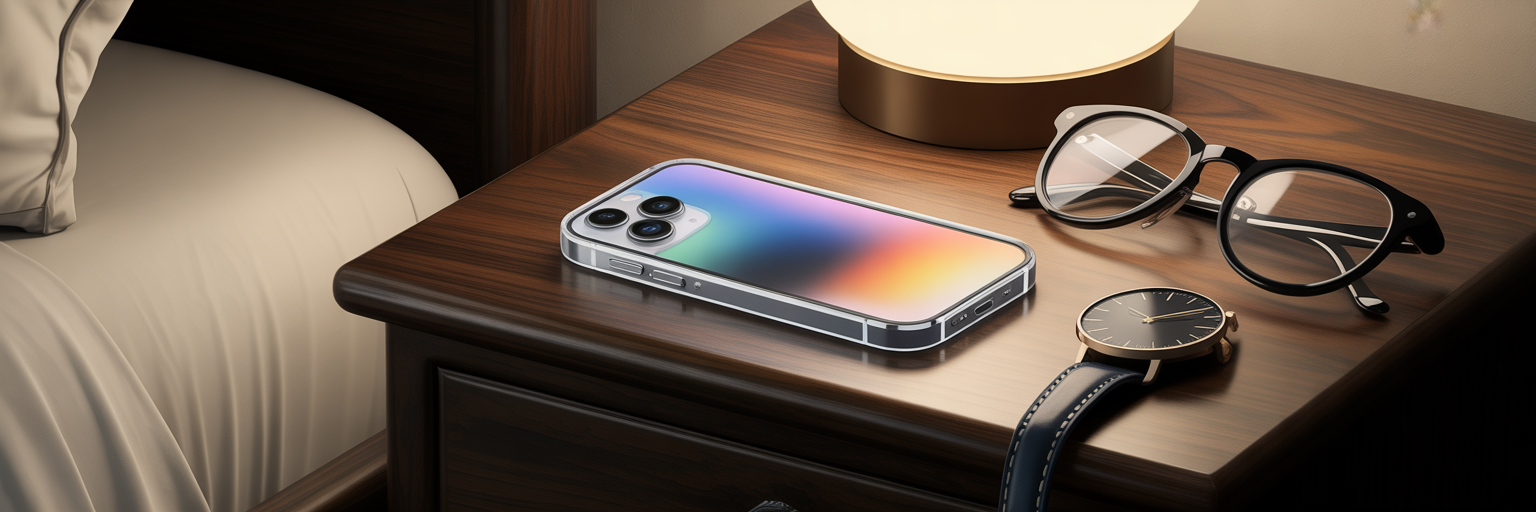
The most effective way to keep your clear case looking pristine is to shift from reactive cleaning to proactive, preventative habits. Mindful ownership can dramatically slow the degradation process, extending the life and clarity of your case far beyond what cleaning alone can achieve. These habits are not chores but simple adjustments for anyone who values the longevity and appearance of their belongings, much like caring for a fine leather wallet or a favorite pair of sunglasses.
Integrating these practices into your daily routine will make a significant difference:
- Minimize Direct UV Exposure. This is the single most important habit. Avoid leaving your phone face-up on outdoor tables, on your car’s dashboard, or on a windowsill where it will bake in direct sunlight. When you’re outside, try to keep your phone in a pocket or a bag. This simple act starves the yellowing process of its primary fuel source.
- Be Mindful of Pockets and Bags. Your pockets are not always a safe haven. Avoid placing your phone in the same pocket as keys, coins, or other hard objects that can cause deep, irreparable scratches on the polycarbonate back. A dedicated pocket is always the best choice.
- Beware of Dye Transfer. The porous nature of TPU makes it susceptible to absorbing dyes. New, dark-wash denim is a common culprit. The friction from sliding your phone in and out of a back pocket can transfer indigo dye to the flexible edges of your case, causing a permanent blueish stain.
- Keep Your Hands Clean. Regularly washing your hands does more than just promote good hygiene. It removes the natural oils, lotions, and residues that would otherwise transfer to your case and accelerate material degradation. The less grime your case absorbs, the slower it will degrade.
- Handle with Care During Removal. When you do need to remove your case for cleaning, do so carefully. Start by gently peeling back one bottom corner, then the other, before pushing the phone out. Repeatedly bending or twisting the case aggressively can weaken the bond between the PC and TPU in a hybrid model or cause stress marks.
By adopting these small but consistent habits, you actively protect your investment. You are not just preserving a phone case; you are maintaining the carefully considered aesthetic of your iPhone. This approach brings the entire philosophy full circle, connecting the initial choice to appreciate your device’s design with the daily actions required to uphold that choice.
Selecting Your Next Clear Case with an Expert Eye
Armed with a deeper understanding of materials, degradation, and maintenance, you are now equipped to select your next clear case like an expert. Being a discerning consumer is the final piece of the puzzle, ensuring your next purchase is an investment in lasting clarity and protection. A truly premium clear case is defined by specific features that are often highlighted in its product description if you know what to look for.
Use this checklist to guide your next purchase:
- Advanced Anti-Yellowing Technology. Look for explicit mentions of "anti-yellowing" treatments, "UV-resistant" polymers, or the use of "blue-resin" formulas. These indicate that the manufacturer has incorporated additives into the TPU to actively combat discoloration from UV radiation.
- A Hybrid Construction. The most durable and aesthetically pleasing clear cases almost always feature a hybrid design: a rigid, scratch-resistant polycarbonate (PC) backplate combined with a flexible, shock-absorbing TPU frame. This offers the best defense against both yellowing and physical damage.
- Protective Design Features. A great case protects without adding unnecessary bulk. Check for a raised bezel of at least 1mm around the screen and a similar raised lip around the camera module. These small ridges ensure your glass surfaces never make direct contact when the phone is placed on a flat surface. Reinforced or air-cushioned corners are another sign of a well-designed protective case.
- Precision and Tactile Feedback. Quality is in the details. The cutouts for ports, speakers, and the mute switch should be perfectly aligned and cleanly finished. The button covers should be responsive and provide a satisfying, tactile "click," not a mushy or stiff feel.
You will also have a choice between different finishes. A glossy clear case offers the most transparent, "invisible" look but will show fingerprints more readily. A frosted or matte clear finish is excellent at hiding smudges and minor scuffs while still allowing the color and Apple logo of your iPhone to show through. The choice is a matter of personal preference, balancing ultimate clarity with daily practicality.
By choosing a case built with the right materials, such as those found in thoughtfully designed lines like our Minimal Rectangle Case collection, and committing to the care regimen outlined in this guide, you can successfully protect your device for the long term. A clear case can, and should, honor the iPhone's design, and with the right knowledge, you can ensure it does just that.


