








In the world of personal technology, few objects are as ubiquitous as the iPhone. Yet, the cases designed to protect them exist on a spectrum of quality so wide it can be disorienting. On one end, you have flimsy, mass-produced shells. On the other, you find accessories crafted with the same attention to detail as a luxury watch. Understanding what makes a phone case high-end is not about price alone. It is about recognizing a series of deliberate choices in materials, craftsmanship, and design that separate the exceptional from the ordinary.
Beyond the Surface: The Critical Role of Materials
The first and most telling indicator of a case’s quality begins long before it is assembled. Like a finely tailored suit that starts with superior fabric, the value of a premium iPhone case is rooted in its raw components. The choice of material dictates its appearance, its feel in your hand, its ability to protect your device, and how it will age over time. This is where the search for the best materials for iPhone cases truly begins.
The Distinction of Genuine Leather vs. Synthetics
Genuine leather, particularly full-grain or top-grain, possesses a character that synthetic alternatives cannot replicate. It is a material that lives and evolves with you. Over months and years, the oils from your hands and exposure to the environment create a unique patina, a subtle darkening and sheen that tells a personal story. This graceful aging process turns a simple accessory into a one-of-a-kind piece.
In contrast, most inexpensive "vegan" or PU leathers are essentially a thin layer of plastic bonded to fabric. They may look appealing at first, but they are destined to fail. With daily use, they quickly begin to peel, crack at the corners, and delaminate, turning what was once a stylish object into a worn-out disappointment. The difference is not just aesthetic, it is a matter of longevity and integrity.
Advanced Polymers and Metals for Modern Protection
For those who prefer a modern aesthetic, the material science is just as important. Some premium cases employ advanced materials such as aerospace-grade polymers, forged carbon fiber, or machined aluminum, and the makers who take that route point to an exceptional strength-to-weight ratio. Well-engineered polycarbonate and TPU composites, the workhorses of this category, reach a similar balance of genuine impact resistance in a slim, elegant form. This is where sophisticated engineering meets material science.
The Protective Interior: Microfibre Lining
One of the most overlooked yet critical premium iPhone case details is what is on the inside. A high-end case is often lined with a soft, high-density microfibre. This is not a decorative touch. It serves as a protective cushion, preventing the micro-scratches that can occur when fine dust and debris get trapped between the case and the iPhone’s glass back or polished frame. The inclusion of a quality lining is a clear signal that a manufacturer is committed to protecting every surface of your device, not just shielding it from major impacts.
For those who appreciate the unique texture of exotic-inspired finishes, a case like the one from our Cocomii Crocodile Leather MagSafe Rectangle Case collection, with its crocodile-embossed faux leather finish, exemplifies how premium design creates a distinct tactile and visual experience.
| Material Category | Premium Example | Ordinary Example | Key Differentiator |
|---|---|---|---|
| Leather | Full-Grain Leather | PU / Bonded Leather | Ages with a unique patina vs. peels and cracks over time. |
| Polymers | Aerospace-Grade Polymer | Standard TPU/PC Plastic | High strength-to-weight ratio for slim protection vs. bulky for similar protection. |
| Metals | Machined Aluminum | Metal-Coated Plastic | Solid, cool to the touch, and durable vs. a thin coating that can chip or wear off. |
| Clear Materials | UV-Resistant Polymer | Basic Polycarbonate | Maintains clarity and resists yellowing vs. quickly discolors with sun and heat exposure. |
| Interior | High-Density Microfibre | Felt Sticker or Bare Plastic | Prevents micro-scratches from debris vs. offers no protection or can trap abrasive particles. |
The Signature of Precision Craftsmanship

Having chosen superior materials is only the first step. The true mark of a premium case is revealed in how those materials are assembled. This is the difference between a mass-produced item and a finely crafted object. Think of it as the distinction between an off-the-rack garment and a bespoke suit. While both serve the same basic function, one is defined by compromise, the other by meticulous attention to detail. This level of craftsmanship is not just for looks, it is a functional necessity.
The Glove-Like Fit: A Matter of Millimeters
A premium case is engineered with sub-millimeter accuracy to the specific dimensions of each iPhone model. This precision creates a glove-like fit that feels as if the case is an integral part of the phone itself. There is no shifting, no creaking, and no loose corners. This exact tolerance is critical for maintaining structural integrity during a drop, as it ensures the impact-absorbing features of the case are perfectly positioned to do their job. In contrast, the slight gaps and flexible edges of a generic case can allow the phone to move on impact, reducing its protective capability.
Impeccable Finishing: Seams, Edges, and Joins
Run your finger along the edge of a high-end case, and you will feel the difference. On a leather case, this means tight, consistent stitching that will not fray or unravel, and edges that are hand-painted or burnished to a smooth, durable finish. On a polymer or metal case, it means seamless joins between different materials, with no visible glue residue or rough, unfinished mold lines. These are the tactile signals of quality, small details that communicate a commitment to excellence and ensure the case feels as good as it looks.
Perfectly Engineered Cutouts for Ports and Speakers
The openings for the charging port, speakers, and camera on a cheap case are often just that: holes. On a premium case, they are precisely machined apertures. The cutouts are perfectly centered, with clean edges that are often chamfered, or angled, for a smooth transition. This meticulous engineering ensures that charging cables connect without resistance, speaker sound is clear and unobstructed, and third-party accessories like camera lenses or microphones fit perfectly. The oversized or slightly misaligned cutouts on mass-market cases are a common source of daily frustration, a problem that precision craftsmanship eliminates entirely.
This dedication to precision is not an accident; it is a core philosophy. Understanding the principles that guide a brand can provide insight into its products, which is why exploring our story reveals a deep-seated commitment to quality.
Engineered for Intelligent Impact Protection
When considering how to choose a durable phone case, it is easy to assume that thicker means stronger. However, premium protection is not about brute force, it is about smart design. The most advanced cases offer exceptional defense through sophisticated engineering that happens inside the case, absorbing and redirecting impact forces in ways that simple hard shells cannot. It is a science of protection that prioritizes intelligence over sheer bulk.
The Science of Shock Absorption
Instead of relying on a single layer of hard plastic, a high-end protective case often uses a multi-layered system with internal structures designed to manage impact energy. Think of a car’s crumple zone, which is engineered to deform during a collision to protect the occupants. Similarly, premium cases may feature honeycombed patterns, air pockets in the corners, or internal channels made from shock-absorbing polymers. These structures compress and deform upon impact, dissipating destructive forces and directing them away from the fragile glass and electronics of the iPhone.
The Raised Lip: Defending the Screen and Camera
It is a subtle feature, but one that prevents countless everyday disasters. A precisely calculated raised lip, or bezel, extends just millimeters above the screen and the camera lenses. This simple design element ensures that when the phone is placed face down on a table or dropped onto a flat surface, the fragile glass never makes direct contact. It is a first line of defense against scratches, scuffs, and even cracks, protecting the most vulnerable and expensive parts of your device.
Understanding Drop-Test Certifications
You will often see terms like "military-grade protection" used in marketing. While it can be an overused phrase, it often refers to a real standard: MIL-STD-810. As the U.S. Army Test and Evaluation Command (ATEC) outlines, the rigorous procedures for MIL-STD-810 testing simulate how equipment will hold up under various environmental stresses, including shock from drops. Some manufacturers engineer their cases to those benchmarks, which typically involve repeated drops from a specific height onto a hard surface. Whether or not a case carries that certification, what matters day to day is real protection: reinforced corners, a raised camera lip, and a raised screen lip, achieved without excessive weight or volume.
The Balance of Robust Defense and Minimalist Form
Ultimately, the pinnacle of protective design is the ability to offer significant defense in a slim profile. Anyone can make a thick, bulky case that can survive a drop. The true engineering feat is to provide that same level of confidence without turning the sleek, lightweight iPhone into a cumbersome brick. This delicate balance is achieved only through the combination of advanced, lightweight materials and the intelligent shock absorption systems discussed earlier. It is the difference between clumsy armor and a tailored, protective suit.
A Philosophy of Cohesive Design
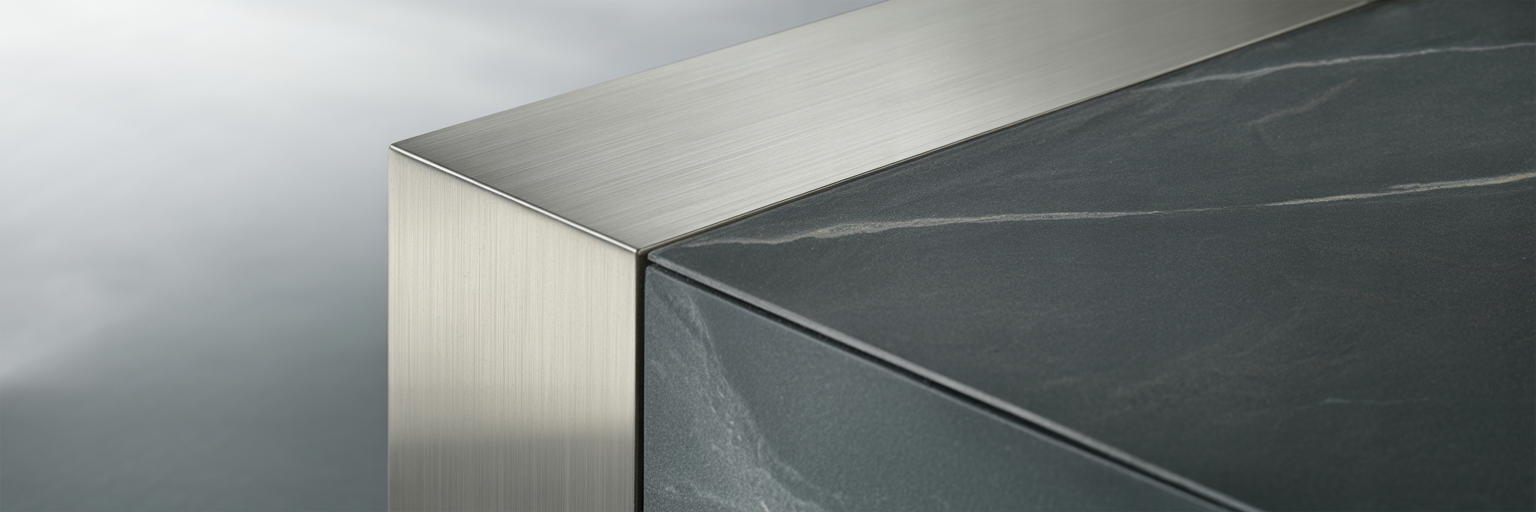
Beyond the tangible aspects of materials and craftsmanship lies a more philosophical consideration: design intent. An ordinary case is often a decorative afterthought, a layer of plastic that obscures the device it is meant to protect. A premium case, however, is conceived as a deliberate and harmonious extension of the iPhone itself. It is not about hiding the phone, but about creating a cohesive pairing that respects and enhances the original design.
Complementing the iPhone's Design Ethos
Apple’s design language is built on clean lines, precise curves, and high-quality finishes. A thoughtfully designed case does not fight against this ethos, it embraces it. The lines of the case should flow naturally with the contours of the phone. The form should feel balanced and intentional, as if it could have been designed in the same studio as the iPhone. The goal is to create a unified object where the phone and case feel like they belong together, rather than two separate entities forced into a partnership.
Intentional Use of Color, Texture, and Branding
In a premium case, every aesthetic choice is deliberate. Colors are often selected from sophisticated, timeless palettes that complement the iPhone’s own colorways, rather than chasing fleeting trends. Textures are not arbitrary, they are chosen to improve grip, provide a pleasing tactile sensation, or develop a unique character over time. Branding is another key differentiator. Instead of large, distracting logos that shout for attention, you will typically find a discreetly embossed or subtly engraved mark. This reflects a quiet confidence in the product’s inherent quality, letting the design and materials speak for themselves.
The Tactile Experience as a Core Design Element
How does the case feel in your hand? This is a question that premium designers obsess over, yet it is often overlooked in mass-market products. The tactile experience is a crucial part of the daily interaction with your most-used device. The engineered coolness of machined metal, the refined texture of a leather-style finish, or the secure, satisfying grip of a textured polymer are not accidents. They are carefully considered sensory details designed to make the simple act of holding your phone a more pleasant and confident experience. This philosophy of intentionality and harmony is perfectly captured in collections that prioritize clean lines and sophisticated simplicity, such as the Minimal Rectangle Case range.
Enhancing the Daily User Interaction
The quality of an object is often most apparent in the small, repeated actions that define our daily experience with it. A premium iPhone case is engineered to make these micro-interactions seamless and satisfying, while a cheaper case can introduce constant friction and annoyance. From pressing a button to pulling the phone from your pocket, these details accumulate to create a vastly superior overall experience.
The Importance of Tactile, Responsive Buttons
This is one of the most common and frustrating failures of low-quality cases. Mushy, stiff, or hard-to-press button covers can make simple actions like adjusting the volume or locking the screen a chore. A premium case features precisely engineered buttons, often with a floating or multi-part construction, that provide a crisp, satisfying "click". This tactile feedback mimics, and sometimes even enhances, the feel of the iPhone’s native buttons, ensuring every press is effortless and confirmed.
Ergonomics and a Confident, Comfortable Grip
A well-designed case should feel secure in your hand, reducing the likelihood of accidental slips. However, achieving this is a delicate balance. Many cheap cases use sticky silicone textures that, while grippy, attract lint and dust, making it difficult to slide the phone in and out of a pocket. A premium case uses material choice and subtle texturing to provide a confident, comfortable grip that feels secure but not tacky. The shape of the case is also considered, with rounded or chamfered edges that sit comfortably in the palm during extended use.
Resisting Fingerprints, Oils, and Scratches
A case that is constantly covered in smudges and fingerprints quickly loses its appeal. High-end materials and finishes are often selected for their ability to maintain a clean appearance. This can be achieved through special oleophobic coatings that resist oils from your skin, or through matte and textured finishes that naturally hide fingerprints. This focus on long-term appearance means you are not constantly wiping your case clean to keep it looking its best.
These small points of interaction are not trivial. They are the moments that define your relationship with your most personal device.
- Responsive Buttons: Providing a satisfying, tactile click with every press.
- Optimized Grip: Ensuring a secure hold that feels comfortable, not sticky.
- Clean Surfaces: Utilizing materials and coatings that resist fingerprints and smudges.
- Effortless Port Access: Allowing cables and accessories to connect without struggle.
Designed for Longevity and Graceful Aging
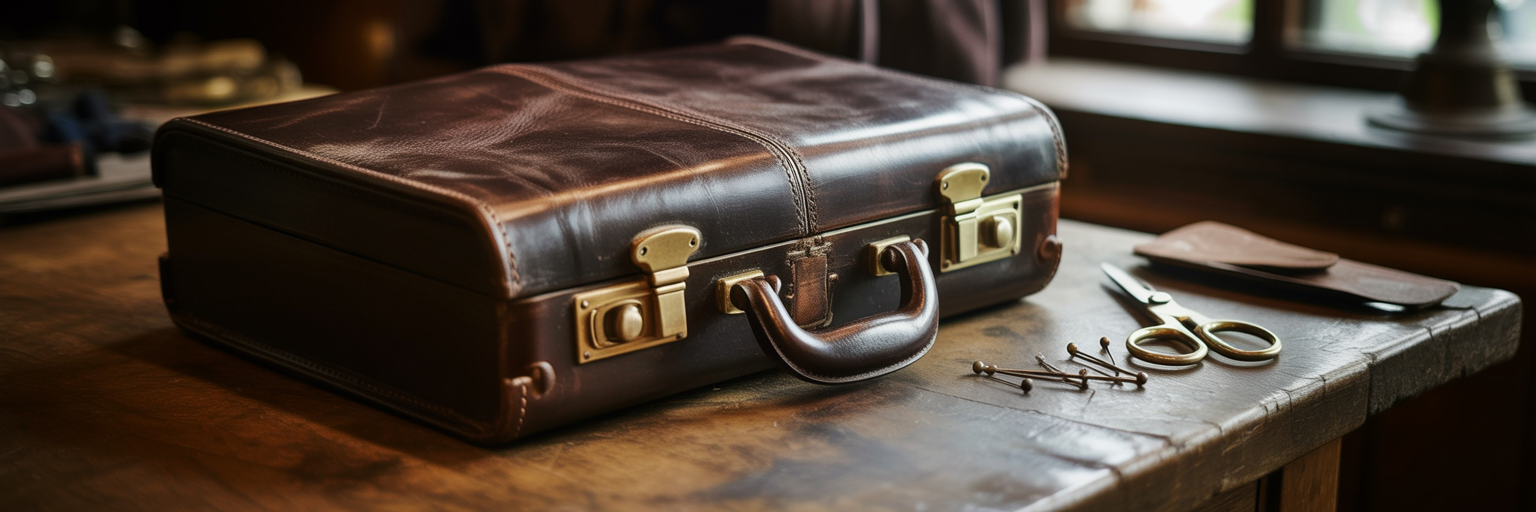
In a market saturated with disposable accessories, a premium case stands apart by being designed to last. This is not just about surviving drops, it is about enduring the rigors of daily use while maintaining its structural integrity and aesthetic appeal. Investing in a high-quality case is a more considered choice, allowing you to avoid the wasteful cycle of buying and discarding multiple cheap cases that fail or fall out of style.
The Concept of Patina: A Case That Tells a Story
With genuine hide, the concept of aging is completely reframed. The subtle marks, darkening of the color, and polished sheen that develop over time are not seen as wear and tear. This process, known as patina, is prized by owners of full-grain leather goods, since it is a visual record of the object's use and makes it uniquely theirs. Leather-style finishes take a different path: a crocodile-embossed faux leather case is engineered to hold its color and defined pattern rather than to change with time.
Preventing Yellowing in Clear Cases
One of the most common complaints about clear cases is their tendency to turn a dingy yellow over time. This discoloration is a chemical reaction caused by the degradation of low-quality polymers when exposed to UV radiation and heat. It is a tell-tale sign of a cheap case. Premium clear cases directly address this issue by using advanced, non-yellowing polymers and incorporating UV-resistant additives into the material. This ensures the case maintains its crystal clarity for much longer, preserving the original look of your iPhone as intended. For those who want to showcase their iPhone's design without compromising on quality, a Clear MagSafe Rectangle Case engineered with anti-yellowing properties is the ideal solution.
Structural Durability for Long-Term Reliability
Longevity is also a matter of construction. A premium case is built to withstand the test of time. This means stitching on leather goods that does not unravel, bonded layers of different materials that do not separate at the edges, and finishes that do not peel or crack after months of being slid in and out of pockets. This long-term reliability is a direct result of using superior materials and adhering to meticulous manufacturing processes. It is the assurance that the case you buy today will continue to protect and look good for the entire lifespan of your phone.
Seamless Integration with Technology
In the modern smartphone ecosystem, a case is no longer just a protective shell. It must also function as a seamless interface for an array of technologies, most notably Apple’s MagSafe system. The difference between a premium case and an ordinary one is often most obvious here. One offers flawless integration, while the other creates frustration. Understanding the premium iPhone case details related to technology is critical for a good experience.
What 'True' MagSafe Compatibility Means
Many cheap cases claim to be "MagSafe compatible" simply by embedding a metal ring inside. True compatibility, however, is a precisely engineered system. It requires a magnetic array with the exact polarity, position, and strength specified by Apple. This ensures a perfect, automatic alignment every time you attach a charger, guaranteeing the fastest possible wireless charging speeds. It also creates a secure, confident "snap" when connecting accessories like wallets or car mounts, so you know they are firmly attached.
The Failures of Poorly Implemented Magnets
When manufacturers cut corners on MagSafe, the user pays the price in daily annoyances. A poorly implemented magnetic ring leads to a host of problems. A MagSafe wallet might slide off with a slight bump in your pocket. A car mount might let go of the phone on a bumpy road. A charger might constantly disconnect or, even worse, connect with a weak magnetic lock that significantly slows down charging speeds. These failures are not just inconvenient, they undermine the very purpose of the technology.
Integrating Technology Without Aesthetic Compromise
The final mark of a premium tech-integrated case is how it incorporates these functional elements without disrupting the overall design. A high-end case will often conceal the MagSafe ring between layers of material, making it completely invisible. Alternatively, it may integrate the ring as a subtle, deliberate design element that complements the case’s aesthetic. The technology is fully functional but never feels like an afterthought. As detailed in Apple's own Accessory Design Guidelines for developers, the magnetic array's position and field strength must meet strict specifications, a level of precision that is a hallmark of premium design.
Recognizing True Value in an Accessory
After exploring these seven key areas, it becomes clear that a phone case is not a simple commodity. The choice you make reflects an appreciation for quality and a desire for a better daily experience. This luxury iPhone accessory guide is about shifting perspective, from seeing a case as a disposable necessity to viewing it as a considered investment in a well-made object that protects and enhances your most-used piece of technology.
The defining characteristics are a holistic system of superior materials, precision craftsmanship, intelligent protection, cohesive design, enhanced user interaction, planned longevity, and seamless tech integration. These are not isolated features, they work together to create a product that is greater than the sum of its parts.
The next time you are choosing a case, challenge the impulse to grab the cheapest option. Instead, treat it like you would the selection of a quality watch or a reliable pair of shoes. Use your senses and look for the details. This checklist can help guide you:
- Feel the Materials: Is the leather genuine? Does the polymer feel solid and dense?
- Inspect the Details: Are the seams straight? Are the cutouts perfectly centered and smooth?
- Test the Buttons: Do they provide a tactile, responsive click?
- Check the Fit: Does the case sit snugly with no gaps?
- Ask About MagSafe: Is it a fully engineered array for strong connection and fast charging?
A premium case is not about hiding the iPhone, but complementing it. It respects the device's design, elevates your daily interaction with it, and provides lasting peace of mind. By understanding these details, you can confidently select an accessory that offers both style and substance. To see these principles of quality and design in practice, you can explore the full collection of Cocomii rectangle Apple iPhone cases.


