








Defining the Minimalist Ethos in Phone Accessories
True minimalism in design is not about absence, but about purpose. Every line, curve, and material choice serves a function and contributes to a cohesive whole. This philosophy moves beyond simple aesthetics to become a deliberate and intelligent choice, especially when selecting luxury phone accessories that complement our most-used devices.
The principle of 'form follows function' is central here. A premium minimalist iPhone case should feel like an organic extension of the device itself. It must complement the iPhone's industrial design, preserving its original lines rather than obscuring them under a bulky or distracting layer. The goal is enhancement, not concealment. We have all felt the disappointment of a case that makes a sleek phone feel clumsy. The right design respects the device's engineering, adding protection without subtracting from its intended form.
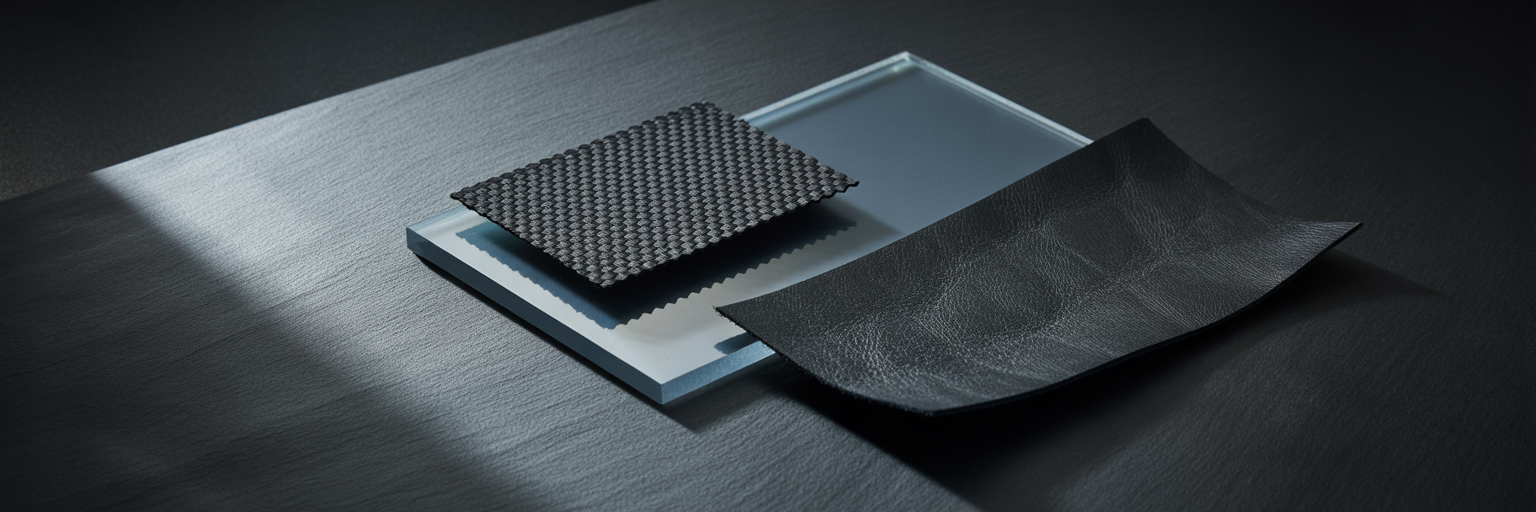
This leads to the concept of 'material honesty', a design tenet that involves selecting materials and using them in a way that celebrates their intrinsic properties. The subtle, tactical weave of an aramid fiber phone case is not just a pattern; it is a direct expression of the material's strength and advanced origins. You can feel its durability. Similarly, the cool, smooth sensation of a matte polycarbonate finish should be a primary feature, not an afterthought. It is about letting the material speak for itself.
Phone cases have evolved from purely functional, protective items to essential fashion accessories. This shift created a demand for designs that reflect a user's appreciation for quality and understated elegance. The modern phone case is a statement of personal taste, a small but significant detail in one's overall presentation. It sits on the table during meetings and is the last thing we see at night. Its design matters.
Ultimately, choosing a minimalist accessory is an act of confidence. It signals an appreciation for precision, quality, and timeless design over fleeting trends and loud ornamentation. It suggests you value substance and thoughtful engineering, recognizing that the most impactful designs are often the ones that do their job perfectly without demanding attention.
A Deep Dive into Premium Minimalist Materials
The foundation of any luxury accessory is the material it is made from. It dictates the object's feel, durability, and aesthetic character. In the world of minimalist phone cases, material selection is not about finding the cheapest option, but the most appropriate one. Each choice brings a unique combination of texture, resilience, and style.
Aramid Fiber: Aerospace Engineering in Your Hand
Originally developed for aerospace and military applications, aramid fiber offers an exceptional strength-to-weight ratio. It is the material you find in body armor and racing sails. When used in a phone case, it provides incredible durability without adding bulk. Its unique, textured weave also offers a distinct tactile experience that feels both secure and sophisticated, signaling its high-performance origins.
Advanced Polycarbonate: Precision and Resilience
Not all plastics are created equal. High-grade polycarbonate stands apart from cheap, brittle alternatives due to its rigidity, impact resistance, and capacity for precise molding. This allows for an incredibly exact fit. Modern treatments, such as multi-layer matte finishes, further improve the material by resisting fingerprints and providing a soft-touch feel that is cool and pleasant to hold.
High-Grade Thermoplastic Polyurethane (TPU): Flexible Protection
TPU is often confused with basic silicone, but it is far superior. Its enhanced elasticity provides excellent shock absorption, protecting your device from drops. High-grade TPU also resists oils and abrasion, which prevents the yellowing and degradation common in lower-quality flexible cases. It is the ideal material for creating responsive button covers and a grippy, secure frame.
Hybrid Construction: The Best of Both Worlds
Some of the most sophisticated designs use a hybrid construction. This approach combines a rigid polycarbonate back for structural integrity and scratch resistance with a flexible TPU frame for drop protection and grip. It is an intelligent engineering solution that leverages the best properties of each material. For instance, some designs integrate premium textures with modern functionality, like our Crocodile Leather MagSafe Rectangle Case, a crocodile-embossed faux leather design that offers a distinct tactile experience alongside robust protection.
Traditional Materials: Leather and Anodized Aluminum
Classic luxury materials also have a place in minimalist design. Fine-grain leather brings a timeless warmth and develops a unique patina over time, telling a story of its use. Precision-machined anodized aluminum offers a cool, metallic feel and excellent resistance to corrosion and scratches, connecting the case to a heritage of fine watchmaking and industrial design.
| Material | Primary Benefit | Tactile Feel | Durability Profile |
|---|---|---|---|
| Aramid Fiber | Exceptional strength-to-weight ratio | Textured, woven, warm | Extremely high tensile strength, scratch resistant |
| Polycarbonate (Matte) | Rigidity and scratch resistance | Smooth, soft-touch, cool | Resists impacts and daily abrasions |
| TPU (High-Grade) | Shock absorption and flexibility | Flexible, grippy, soft | Excellent drop protection, resists oils |
| Leather (Fine-Grain) | Classic aesthetic and patina | Soft, natural, warm | Develops character with age, requires care |
| Anodized Aluminum | Premium cold-to-the-touch feel | Hard, cool, metallic | Resistant to corrosion and scratches |
This table outlines the core attributes of materials commonly used in luxury minimalist cases. The selection should be guided by the user's priority, whether it is ultimate durability, tactile sensation, or classic style.
Evaluating Design Execution and Craftsmanship
Once you understand the materials, the next step is to examine how they are used. True luxury is found in flawless details. The quality of a minimalist case is defined by manufacturing precision and engineering choices that are often invisible at first glance but are immediately apparent when you hold the product.
Pay close attention to the cutouts. Perfectly aligned openings for ports, speakers, and the camera are not a given; they are a hallmark of superior tooling and a deep respect for the phone's functionality. We have all seen cases with misaligned holes or rough edges that interfere with charging cables or muffle speaker sound. In a premium case, these details are exact.
Another frequently overlooked but crucial detail is the design of the button covers. Have you ever used a case with stiff, unresponsive buttons that make adjusting the volume a chore? The best cases feature engineered covers that offer a satisfying, 'clicky' tactile feedback, perfectly mimicking the phone's native buttons. This is not a small thing; it impacts your interaction with the device dozens of times a day.
The case's profile and thickness are also critical. A great slim phone case design is a study in deliberate trade-offs. An ultra-thin profile, perhaps around 0.7mm, offers a 'caseless' feel that is ideal for scratch protection without adding bulk. A slightly thicker design, around 1.2mm, provides more substantial drop protection while remaining sleek. This is a conscious choice for the user, not a flaw. A user with the latest device might look for a perfectly tailored product like one of our Rectangle iPhone 15 Pro Max cases that respects these fine tolerances.
Look for seamless construction. A premium case should have no visible molding lines, seams, or rough edges where different materials meet. This perfection is a direct result of advanced manufacturing processes and rigorous quality control. It is the difference between a mass-produced object and a finely crafted accessory.
Finally, consider ergonomics. How does the case feel in your hand? Subtle details like chamfered edges that soften the corners, soft-touch finishes that add grip, and thoughtfully sculpted curves can dramatically improve comfort during prolonged use. Minimalist luxury is not about simplicity, but about the flawless execution of many small, complex details that combine to create a superior product.
The Psychology of Color and Finish
Color and finish are not merely decorative elements; they are fundamental to minimalist design. These choices have a significant aesthetic and psychological impact, defining the character of the accessory and how it integrates with your personal style.
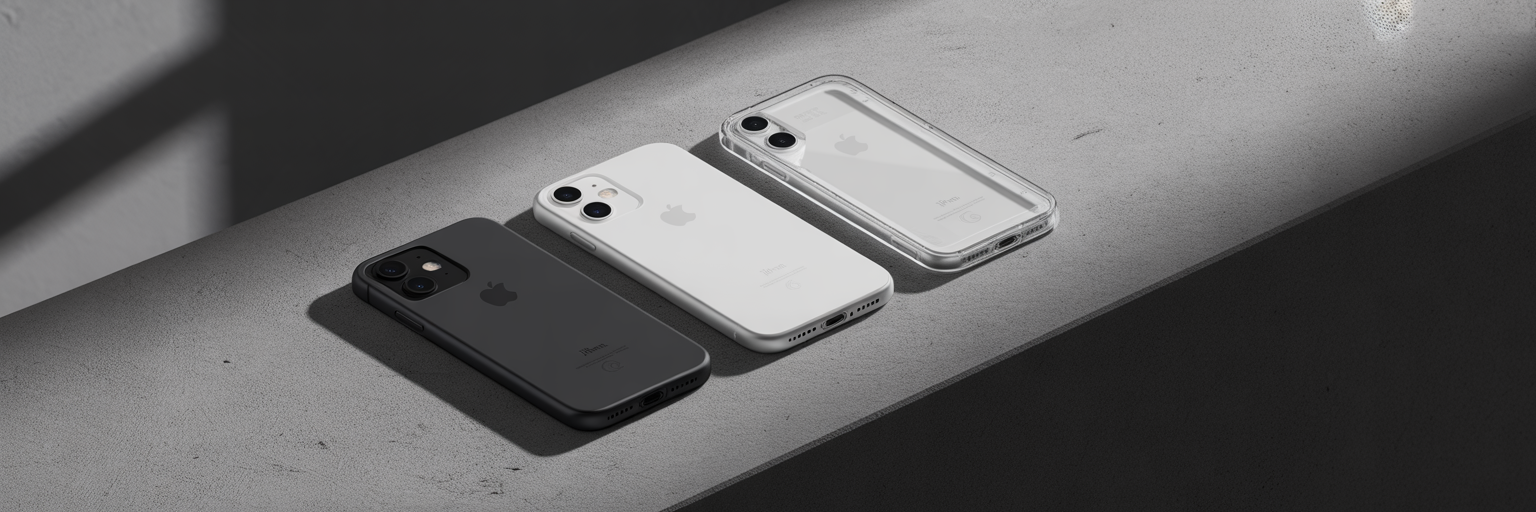
The neutral palette, black, gray, white, and deep blue, dominates minimalist aesthetics for a reason. These colors are associated with professionalism, sophistication, and timelessness. They do not shout for attention. When selecting a neutral, consider how it will complement both your personal style and the color of your device. A space black iPhone in a graphite case creates a subtle, tonal look, while a white phone in a black case offers a classic, high-contrast statement.
The finish of the case is just as important as its color. Each option offers a different functional and aesthetic experience, contributing to a clean aesthetic phone case.
- Matte: This finish has an understated, non-reflective surface that is excellent at resisting fingerprints and smudges. It provides a soft, tactile feel that is both modern and comfortable to hold.
- Glossy: A glossy finish has a polished, liquid-like effect that catches light, creating a more striking, jewel-like appearance. It can make colors appear deeper and more vibrant.
- Clear: A clear case is designed to be invisible, showcasing your phone's native design and color. A premium option like our Clear MagSafe Rectangle Case is engineered to be completely unobtrusive while still offering protection.
When considering a clear case, the issue of yellowing is critical. This discoloration is caused by UV light and oils from our hands degrading lower-quality polymers. A premium clear case is a non-negotiable investment, made with high-grade materials and UV-stabilizing additives that actively resist yellowing, ensuring it remains crystal clear over time.
You may also notice a trend toward 'unbranded' or 'logo-free' aesthetics in the luxury market. The deliberate absence of visible branding is a statement of confidence. It allows the purity of the design and the quality of the materials to speak for themselves. It implies that the product's value comes from its intrinsic quality, not from a logo. Color and finish are foundational choices that should be selected with the same care as the material itself.
Balancing Aesthetics with Functional Protection
A common misconception is that a minimalist case cannot be protective. This thinking equates protection with bulk. However, effective protection is the result of intelligent engineering and material science, not just adding more material. A well-designed slim case can offer significant safety without compromising its aesthetic.
The key is the concept of 'targeted protection'. Instead of encasing the phone in thick armor, a smart design focuses on the most vulnerable areas. A subtle but crucial feature is a raised lip around the screen and a protective rim around the camera module. These small elevations prevent the glass from making direct contact with a flat surface during a fall, which is the cause of most screen shatters and lens scratches.
Slim designs can also provide meaningful drop resistance. The physics of impact absorption is about dissipating energy. Materials like high-grade TPU are naturally shock-absorbent. When combined with internal engineering features, such as ribbed patterns or tiny air pockets in the corners, the case can effectively redirect the force of an impact away from the device itself.
For daily use, scratch resistance is just as important as drop protection. This is where material choice is paramount. Hard-coatings on polycarbonate or the inherent toughness of materials like aramid fiber are specifically designed to defend against everyday hazards. Your phone shares a pocket or a bag with keys, coins, and other abrasive objects. A quality case acts as a durable shield against this constant wear and tear.
Ultimately, choosing a phone case requires an honest assessment of your personal risk profile. Ask yourself a few questions:
- What is your daily environment? An office worker has different needs than someone on a construction site.
- How do you typically handle your phone? Are you always careful, or are you prone to fumbling it?
- What are your primary concerns? Is your main goal preventing minor scratches, or do you need assurance against major drops?
It is important to acknowledge the inherent compromise. An ultra-thin 'skin' case (under 0.5mm) excels at scratch protection but offers minimal drop resistance. A slightly thicker minimalist case (around 1.2mm) provides a more balanced approach, offering good protection from common drops without feeling bulky. The right choice depends entirely on your priorities and lifestyle.
Integrating the Case into Your Personal Style

A phone case is more than a protective shell; it is the finishing touch on a curated personal aesthetic. It is one of the few items you carry every single day, making it an essential component of your modern wardrobe. The final step in selecting a case is to consider how it will integrate with your life and style.
Think about matching your case to different contexts. A structured, neutral-toned matte or leather case projects professionalism and pairs well with business attire. For social occasions or a more casual look, a sleek, polished clear case that shows off your phone's color might be more appropriate. To find the perfect match for any situation, you can explore a curated selection like our collection of minimal rectangle cases.
This leads to the idea of a 'case wardrobe'. Just as you might have different watches or shoes for different occasions, a discerning individual might curate a small collection of 2-3 high-quality minimalist cases. This allows you to switch your case to suit your outfit, your event, or even your mood, ensuring this key accessory is always in harmony with your look.
Consider cohesion with your other everyday carry (EDC) items. The best personal style is about creating a harmonious ecosystem of accessories. Select a phone case that complements the materials, colors, and design language of your watch, wallet, bag, and keychain. A black leather case next to a matching wallet and watch strap creates a powerful, cohesive statement.
To 'future-proof' your aesthetic choice, opt for timeless designs, classic colors, and durable materials that will remain stylish for your device's entire lifespan. By avoiding fleeting trends, you ensure your investment continues to look sophisticated year after year. A well-chosen minimalist case is a considered detail that completes a polished personal style, reflecting an understanding of what makes for truly great design.
To guide your final decision, use this checklist:
- Material Quality: Does it feel premium and durable to the touch?
- Finish & Color: Does it match your personal style and resist fingerprints or yellowing?
- Craftsmanship: Are the cutouts precise and are the buttons responsive and clicky?
- Profile & Ergonomics: Does it feel comfortable in your hand without unnecessary bulk?
- Protection Level: Does it offer the right balance of slimness and safety for your lifestyle?


