








The Modern Dilemma of Form and Fortitude
Smartphone manufacturers invest immense resources into shaving off millimetres and refining the ergonomic feel of their devices. The precise weight, the curve of the edges, and the cool touch of glass and metal are all part of a carefully engineered experience. Yet, for many, the first action after unboxing a new iPhone is to conceal that design within a protective case. This immediate decision introduces a fundamental tension between preserving the device's intended form and ensuring its fortitude against daily life.
This choice is more than just practical. It reflects a personal philosophy. On one side, there are the purists who believe the phone's aesthetic integrity should be paramount. They see a case as a necessary evil at best, and an unwelcome architectural modification at worst. For them, the goal is to find a solution that offers a whisper of protection without compromising the device's silhouette. On the other side are the pragmatists. They view their phone as a critical tool for work, communication, and navigation, and its survival is non-negotiable. For this group, visible resilience and functional security are the primary concerns, and the case is a badge of preparedness.
Understanding how to choose phone case protection begins with acknowledging these two opposing mindsets. It is not simply a matter of picking a colour. You are deciding how you want your device to feel, function, and survive in your hands every day. Do you prioritise the sleek, lightweight object the designers created, or do you value the peace of mind that comes with a more substantial shield? The answer reveals a lot about your daily routines, your tolerance for risk, and even your personal style.
As we move through 2026, this decision has become more nuanced. Advances in material science are blurring the lines between the two camps. Slim cases now incorporate polymers that offer surprising durability, while rugged cases are adopting more refined profiles and sophisticated finishes. The classic trade-off between a slim profile and robust protection is no longer as stark as it once was, making the choice both more interesting and more personal.
The Aesthetic of the Minimalist Profile
The core appeal of a slim case lies in its subtlety. It aims to provide an 'almost naked' experience, preserving the iPhone's original lines, thinness, and weight distribution. When you hold a phone in a well-designed minimal case, it should feel almost unchanged. This allows for effortless one-handed use and the ability to slide the device into a pocket or small clutch without adding noticeable bulk. It is a philosophy rooted in respect for the original industrial design, where the accessory is meant to complement, not dominate.
This approach is central to minimalist phone case design. The case becomes a second skin, featuring precise cutouts for ports and speakers, and tactile button covers that replicate the satisfying click of the phone's native controls. There is no ambiguity or mushiness, just a seamless extension of the device itself. Achieving this requires more than just thin plastic. Advanced polymers, high-grade polycarbonate, and even flexible aramid fibers are used to create a shell that resists scratches and absorbs the energy from minor bumps without adding volume.
A significant part of this aesthetic is transparency. Clear slim cases are designed with one purpose: to showcase the phone's own colour and finish. We all remember choosing that specific shade of Sierra Blue or Deep Purple, and a clear case allows that choice to remain visible. However, not all clear materials are equal. In the luxury accessory market, the key differentiator is the use of high-quality polymers that resist UV yellowing over time, ensuring the case remains crystal clear instead of degrading into a murky tint. It is a small detail that speaks volumes about quality and longevity.
Of course, it is important to have a balanced perspective on their protective capabilities. A slim case excels at defending against cosmetic damage. It is your best defence against scuffs from keys in a bag, scratches from being placed on a rough surface, and the impact from a short fall off a coffee table. What it trades for its sleek form is significant impact absorption. It is not engineered to save a phone from a multi-story drop onto concrete. This balance of form and function is a core principle for us, as seen in collections like our Cocomii Minimal Rectangle Case line, which embodies this minimalist philosophy.
The Engineering of Rugged Protection
While slim cases focus on aesthetics, bulky cases are exercises in purpose-built, tactical engineering. To dismiss them as merely 'thick' is to miss the point. Their design is utilitarian, projecting a sense of visible durability that appeals to those who prioritise resilience above all else. The added mass is not arbitrary, it is a direct result of a multi-faceted approach to impact mitigation. Understanding the anatomy of a high-quality rugged case reveals a sophisticated system designed for survival.
The principles of rugged iPhone case protection are built on a few key engineering concepts:
- Multi-Layer System: The most effective rugged cases are not made from a single block of material. They employ a synergistic system. Typically, this involves a soft inner core, often made of flexible TPU (thermoplastic polyurethane), which acts as a shock absorber. This core is then housed within a rigid outer shell, usually made of hard polycarbonate, which distributes the force of an impact across a wider surface area, preventing focused stress on the phone's frame.
- Reinforced Corners: Drop analysis consistently shows that corner impacts are the most common and most damaging. In response, rugged cases feature heavily reinforced corners. These are not just thicker bits of plastic, they often incorporate engineered air pockets or cushions. Like the crumple zone in a car, these pockets are designed to compress upon impact, absorbing and dissipating kinetic energy before it can be transferred to the fragile glass and internal components of the phone.
- Raised Bezels: One of the most critical yet overlooked features is the raised lip around the screen and camera lenses. A small elevation, often exceeding a 1.2mm benchmark, creates a protective buffer. When the phone falls flat on a surface, this bezel ensures that the glass itself never makes direct contact. It is a simple concept with a profound impact on screen survivability. end{ol}
- The Urban Professional: Your day involves moving between meetings, commuting on public transport, and social events. You value a sleek, pocketable design that looks professional and does not add bulk. A premium slim case is likely your ideal companion.
- The Outdoor Enthusiast or Parent: Your life is unpredictable. Your phone might be exposed to hiking trails, playgrounds, or the chaotic environment of a family home. The enhanced grip and certified drop protection of a rugged case provide the assurance you need.
- The Style Chameleon: You see your phone as part of your overall look and enjoy matching it to your outfit or mood. For you, the best strategy might be to own a small collection of cases, perhaps a slim leather one for work and a more colourful one for weekends.
These elements combine to create a profound sense of security. The trade-offs are tangible, of course. Pocketability is reduced, and the device may no longer fit in certain docks or car mounts. Yet, for many users, from construction workers to adventurous parents, the enhanced grip provided by textured surfaces and the sheer peace of mind are well worth the compromise. The case becomes less of an accessory and more like essential equipment.
A Direct Comparison of Protective Capabilities
When evaluating the slim vs bulky phone case debate, it is helpful to move beyond aesthetics and look at the physics of protection. The core difference lies in how each type of case handles impact energy. A fall generates kinetic energy, and the goal of a case is to absorb and dissipate that energy before it reaches the phone. A bulky case, with its greater volume and multi-layer construction, acts like a cushion. It allows the force of the impact to be spread out over a longer duration as the materials compress, significantly reducing the peak stress on the device.
This principle is what allows rugged cases to be certified for industry drop-test standards like MIL-STD-810G. As outlined by the U.S. Department of Defense in their MIL-STD-810G documentation, this is not a single test but a series of rigorous environmental stress trials that simulate much more than a simple fumble from pocket height. Rugged cases are often certified for falls from two, three, or even four meters onto hard surfaces. In contrast, while many slim cases are drop-tested, it is usually to internal standards for more common heights of around one to one and a half meters.
This leads to a crucial distinction in their primary protective goals. A slim case is designed to prevent cosmetic damage. It is your shield against the everyday scratches and scuffs that keep a phone from looking pristine. A rugged case is designed to prevent catastrophic failure, such as a shattered screen, a bent frame, or damaged internal components. It provides a much larger 'buffer zone' around the device. The best protective iPhone case is therefore not a single product, but the one that is correctly calibrated to the user's environment and risk level.
| Scenario / Feature | Slim Protective Case | Bulky Rugged Case |
|---|---|---|
| Impact Energy Absorption | Relies on material hardness over a small area; minimal compression. | Utilizes material volume and multi-layer design to compress and dissipate force. |
| Typical Drop Height Resistance | 1-1.5 meters (pocket/table height); protects against minor fumbles. | 2-4 meters or higher; designed for significant falls onto hard surfaces. |
| Primary Protection Goal | Prevents cosmetic damage like scratches, scuffs, and minor dents. | Prevents catastrophic failure like screen shatters and frame bending. |
| Corner Protection | Minimal reinforcement; relies on the inherent properties of the material. | Heavily reinforced with air pockets or extra polymer to absorb direct impacts. |
| Screen & Camera Protection (Bezel) | Slightly raised lip (often <1mm); offers protection on perfectly flat surfaces. | Prominently raised bezel (>1.2mm); creates a significant buffer zone. |
| Industry Certification | May be 'drop-tested' to internal standards. | Often certified to external standards like MIL-STD-810G. |
The Influence on Daily Ergonomics and Use
Beyond drop protection, the choice of a case fundamentally alters the daily, practical experience of using your phone. This is where ergonomics and haptics come into play. A slim case maintains the phone's lightweight feel, facilitating easy one-handed typing and scrolling. Its minimal profile is a critical lifestyle factor, aligning with modern fashion where devices need to slip into tailored pockets or compact bags without creating an unsightly bulge. This is what we mean by 'pocketability', and it is a major consideration for anyone who is constantly on the move in an urban environment.
In contrast, a bulky case offers a substantial and secure grip. The added weight and textured, often rubberized surfaces, make the phone feel more anchored in the hand, reducing the chance of an accidental slip in the first place. This tactile feedback can be incredibly reassuring. The differences extend to button and port functionality as well. High-end slim cases strive for responsive, 'clicky' button covers that feel indistinguishable from the phone itself. Rugged cases might use stiffer, more recessed covers to prevent accidental presses in a crowded bag or during physical activity.
A crucial point of differentiation in 2026 is compatibility with the broader accessory ecosystem, particularly MagSafe. Most modern slim cases are designed to be thin enough to allow for a strong magnetic connection and efficient wireless charging. However, some extremely thick rugged cases can weaken this connection, making accessories less secure or reducing charging speeds. A well-designed system ensures that even with a case, additions like one of our MagSafe rings function perfectly, preserving the modularity that makes the ecosystem so compelling.
Finally, consider the textural experience. The smooth, matte, or finely textured finishes of premium slim cases are designed for a pleasant feel against the skin. They are objects of touch as much as sight. Rugged cases, on the other hand, often feature deeply grooved patterns and composite textures. These are not just for show, they are engineered to maximize grip, whether your hands are wet, cold, or gloved. Each approach offers a distinct sensory experience tailored to a different set of priorities.
Material Science as a Mark of Luxury
In the world of high-end accessories, a phone case is more than just protection, it is a statement of personal style and an extension of one's identity. Here, the conversation moves beyond simple durability to focus on luxury phone case materials. Much like a luxury watch or a designer handbag, the choice of material is paramount. It communicates taste, values, and a certain appreciation for craftsmanship.
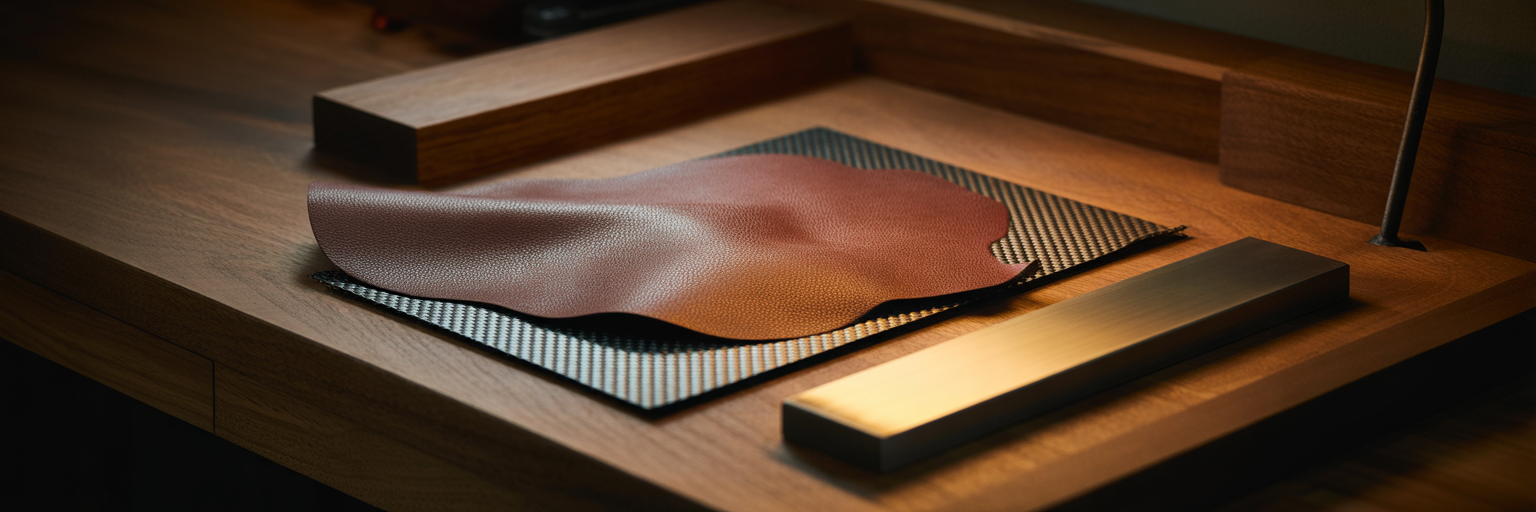
For premium slim cases, the materials often evoke classic luxury. Horween or fine Italian leather, for example, develops a unique patina over time, telling a story of its use. Each scratch and mark becomes part of its character. Soft-touch materials like Alcantara, often found in high-performance sports cars, offer a warm and grippy texture that feels exceptional in the hand. For those with a more modern sensibility, materials like forged composites or carbon fiber signal a connection to high-tech performance and precision engineering. These materials are chosen not just for their strength-to-weight ratio, but for their distinct visual appeal.
Even in the realm of rugged cases, advanced materials are a mark of quality. This goes beyond simple plastic and rubber. Proprietary shock-absorbing polymers, developed in-house by leading brands, offer superior impact resistance at a lower weight. Some designs incorporate anodized aluminum frames to provide rigidity without interfering with cellular signals. These are not just bulky pieces of plastic, they are carefully engineered objects.
Looking at the 2026 landscape, sustainable and innovative materials are becoming the new status symbols. High-performance recycled polymers and advanced bio-based plastics allow users to make an eco-conscious choice without compromising on protection or style. This aligns a purchase with personal values, which is the ultimate luxury. The material transforms the phone from a piece of technology into a true fashion accessory. For instance, the unique texture of one of our crocodile leather MagSafe rectangle cases elevates the device, making it a centerpiece of an outfit and a clear expression of sophisticated style.
Choosing the Right Case for Your Life's Demands
Ultimately, the decision between a slim and a bulky case is not about which one is objectively 'better', but which one is right for you. The best approach is to move past technical specifications and conduct an honest assessment of your daily routines, habits, and personal style. Peace of mind is the ultimate luxury, and that means something different for everyone. Are you more worried about a scratch on your screen or the inability to fit your phone in your pocket?
To make the choice more tangible, consider which of these user archetypes best describes you:
Many people find their lives span multiple categories. This has led to the rise of the 'dual-case' strategy, where someone might use a slim case for the work week and swap to a rugged one for a weekend camping trip. It is also worth considering your personal 'clumsiness factor'. If you have a history of dropping your devices, the added security of a rugged case might be the most logical choice, regardless of aesthetics.
There is no single correct answer. The right choice is a personal equation that balances your appreciation for design with the real-world demands of your life. It is about finding the solution that lets you use your most important device with confidence and style. To find the perfect fit for your needs, you can explore our comprehensive rectangle Apple iPhone case collection, where options are tailored for every lifestyle.


