








Redefining Premium Beyond Price and Branding
Just as the complex optical instruments of the 20th century required specialized protection, the advanced camera systems in today's smartphones demand a similar level of engineered care. The conversation around what makes a phone case "premium" has fundamentally shifted. In 2026, true quality is not measured by a logo or a high price tag. It is measured by functional engineering and material science.
The evolution of smartphone cameras from simple point-and-shoot tools to professional-grade imaging systems has completely changed protection requirements. We have all seen the impressive multi-lens arrays on the latest iPhones. These are not just glass; they are intricate systems of sensors, motors, and stabilizers that are both powerful and delicate. This has led to a shift in consumer awareness. Knowledgeable users now prioritize tangible protective features that preserve the device's functionality and, importantly, its resale value.
This is where the concept of ‘functional luxury’ comes into play. It is a philosophy where superior performance, born from meticulous design, becomes the ultimate status symbol. This is not about aesthetics alone. It is about how a case performs under pressure, how it feels in your hand, and how it integrates with your device. The focus of luxury phone case engineering is on creating an accessory that enhances the phone's capabilities without compromising its form.
A truly premium case is an investment in preservation. It is the difference between a phone that looks worn after six months and one that remains in pristine condition. It is the confidence that a minor drop will not result in a costly camera repair. We believe that the most sophisticated accessories are those whose value is felt, not just seen.
To understand this, we need to look beyond the surface. This guide will walk you through the key engineering pillars that define a superior case. We will examine the critical camera guard that shields your lenses, the core material composition that provides structural integrity, and the precision manufacturing that ensures a perfect fit and finish. These are the details that matter.
The Camera Guard: A Millimetre of Critical Protection

When you place your phone on a table, what is the first point of contact? For many unprotected devices, it is the camera lens. This is why the raised camera lip is arguably the single most vital protective element of a modern phone case. Its function is simple yet critical: to create a physical buffer that prevents the delicate lens glass from ever touching a flat surface.
However, not all raised lips are created equal. The optimal engineering standard for this feature is a height between 0.3mm and 1.2mm. This range is not arbitrary. Less than 0.3mm provides inadequate clearance, leaving the lens vulnerable to microscopic debris on surfaces that can cause scratches. More than 1.2mm adds unnecessary bulk and can make the phone unstable, causing it to wobble when you try to use it on a flat surface. It is a precise balance between protection and usability.
The design of the guard is just as important as its height. A superior raised camera lip phone case will feature a continuous, rigid ring that encircles the entire camera system. This is a stark contrast to inferior designs that use individual cutouts for each lens or are made from soft, compressible materials like silicone. When a phone with a solid ring is dropped, the impact force is distributed across the entire structure and away from the fragile lenses. This protects not only the glass but also the delicate internal components, such as the autofocus and image stabilization motors, which can be damaged by shock.
This brings us to the material science of the guard itself. To be effective, the ring must be crafted from a non-deforming material, such as a high-grade polycarbonate or a metal alloy. A soft material will simply compress on impact, transferring the force directly to the camera. A rigid material, on the other hand, maintains its shape and ensures that the protective clearance is never compromised. This is a fundamental principle of how to protect phone camera systems effectively.
This level of engineering is especially important for high-end devices with advanced camera modules. For example, the sophisticated systems found in some of our rectangle iPhone 15 Pro Max cases are designed with this exact principle in mind, ensuring that the protective features match the value of the device they are guarding.
Core Materials and Structural Rigidity
While the camera guard provides focused protection, the main body of the case serves a different but equally important purpose. Its primary role is to function as a rigid chassis, preventing the entire phone from flexing during a drop. Many people do not realize that this bending motion is a primary cause of screen and back glass fractures, as the force travels through the device's frame.
This is where the choice of core materials becomes critical. Premium cases often utilize materials like polycarbonate and aramid fiber for their specific properties. Polycarbonate is known for its high impact resistance and rigidity, creating a strong frame that resists bending. Aramid fiber, a material used in aerospace and ballistic applications, offers an exceptional strength-to-weight ratio, providing incredible durability without adding bulk. An aramid fiber iphone case is the epitome of this principle, offering maximum protection in a lightweight form.
These materials are fundamentally superior to the soft, flexible alternatives commonly found in budget cases. Materials like silicone or standard TPU can feel protective, but they often compress on impact. This means they fail to prevent the force from transferring directly to the phone. Think of it like a vehicle's safety cage. A rigid frame with reinforced corners is designed to absorb and divert the kinetic energy of an impact away from the occupants. A well-designed case does the same for your phone, channeling forces away from its most vulnerable points.
A common misconception is that rigidity equals brittleness. This might have been true in the past, but modern polymers and composites are engineered differently. They are designed to absorb shock and dissipate energy without shattering, maintaining their protective shape even after an impact. This combination of strength and resilience is what sets premium materials apart.
| Material | Structural Rigidity | Impact Energy Distribution | Weight-to-Strength Ratio | Common Use Case |
|---|---|---|---|---|
| Polycarbonate (PC) | High | Excellent - Diverts force across the frame | Good | Rigid protective frames and backplates |
| Aramid Fiber | Very High | Superior - Absorbs and dissipates energy | Excellent | Ultra-durable, lightweight luxury cases |
| Thermoplastic Polyurethane (TPU) | Low to Medium | Poor - Can compress and transfer force | Fair | Flexible, budget-friendly cases |
| Silicone | Very Low | Very Poor - Offers minimal structural defense | Poor | Soft, basic-protection sleeves |
This table illustrates the performance differences between materials commonly used in phone cases. The data highlights why rigid materials like polycarbonate and aramid fiber provide superior structural protection compared to flexible alternatives.
The Hallmarks of Precision Manufacturing
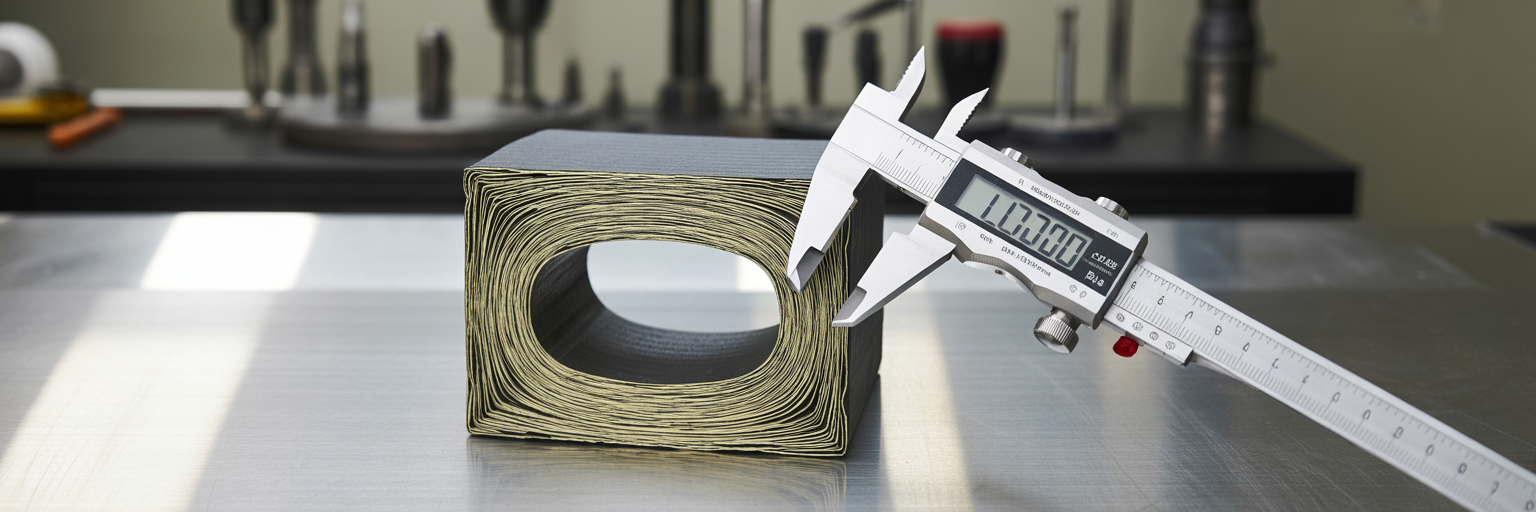
Beyond raw materials, the subtleties of craftsmanship are what truly distinguish a premium product. Precision in manufacturing is not just an aesthetic choice; it has direct functional consequences. It is the difference between a case that feels like a clumsy addition and one that feels like an integrated extension of the phone itself.
Consider the port and speaker cutouts. On a premium case, these openings adhere to tolerances below 0.1mm. This level of precision ensures that microphones are not muffled, ambient light sensors are not obstructed, and charging cables fit perfectly every time. We have all experienced the frustration of a poorly fitting cable or a distorted speaker sound. These are often symptoms of imprecise manufacturing.
Another detail often misunderstood is the internal microfiber lining. Many assume it is there simply for a soft feel. While it does add a touch of refinement, its true purpose is far more practical. It acts as a crucial barrier, trapping the microscopic dust and grit that inevitably find their way between the case and the phone. Without this lining, the daily micro-movements of the phone would grind these particles into the glass back, creating a web of fine scratches over time.
Nowhere is precision more important than in MagSafe integration. A premium case features a custom-engineered magnetic array that aligns perfectly with the iPhone's internal components. This ensures a strong, reliable connection with accessories, optimal charging speeds, and efficient heat dissipation. In contrast, cheaper cases often use weak or misaligned magnets, resulting in slow charging, excessive heat buildup, and a frustratingly weak grip on wallets and mounts. The experience with a product like our Solid MagSafe Rectangle Case demonstrates how a perfectly engineered array can make the technology seamless.
This commitment to detail is a form of artistry. As highlighted in an article on personal expression, much like the process of designing a tattoo that tells your own story, where every line has a purpose, a premium case is a composition of deliberate choices. Each element is engineered to contribute to a flawless and personal final product, creating a user experience that is both protective and intuitive.
Applying the Practical Tests of a Superior Case
Understanding the technical details is one thing, but how can you identify quality in your own hands? We believe in empowering you to move beyond marketing claims and assess the functional quality of a case for yourself. Here are a few simple, actionable tests you can perform.
- The Table Test: This is the primary check for camera protection and overall design balance. Place the phone and case on a flat table. A well-designed case must lie perfectly flat without any wobble. This simple action confirms that the camera guard is engineered to be protective without creating instability. If it rocks back and forth, the design is flawed.
- The Rigidity Test: Gently try to flex or twist the case (without the phone inside). A premium case should feel solid and unyielding. You should not hear any creaks or feel any give. This indicates a strong chassis that will protect your phone from bending on impact, which is a common cause of screen damage.
- The Button and Port Check: Pay attention to the tactile feedback. The buttons should provide a crisp, satisfying click, signaling a well-engineered internal mechanism rather than just a mushy layer of plastic. Run your finger over the port openings. They should feel clean, perfectly centered, and free of any rough edges from the molding process.
A superior case also strikes a careful balance between protection and profile. It uses intelligent geometric design, such as hollowed but reinforced corners and rigid perimeters, to provide excellent drop protection in a slim form factor. This makes the device comfortable to hold and easy to pocket. You should not have to choose between safety and comfort.
By performing these practical checks, you can instantly identify superior engineering. This is how you find the best case for iphone camera and overall device integrity, based on tangible evidence rather than just words on a box. After learning these tests, you might want to find a case that passes them. Our tool to help you find my case is a great place to start your search.
Debunking Common Myths in Phone Protection

The market is filled with misconceptions about what makes a phone case effective. An informed choice requires cutting through the noise and understanding the fundamental principles of protection. Here are some of the most common myths we need to address.
- Myth 1: 'Bulkier is Better.' This is perhaps the most persistent myth. The idea that a thick, soft case is more protective is intuitively appealing but technically incorrect. As we have discussed, a slim case made from a rigid material like polycarbonate or aramid fiber offers more effective protection than a thick silicone case. The soft case may absorb a small amount of shock, but it often compresses and transfers the majority of the impact force directly to the phone. A rigid case distributes that force across its frame, away from the device.
- Myth 2: 'Any Raised Edge Will Do.' We now know this is false. The effectiveness of a camera lip depends on its specific height and, crucially, its rigid, non-compressible construction. A soft or poorly designed lip can collapse on impact, offering a false sense of security and rendering it useless when you need it most. The precise 0.3mm to 1.2mm range is the benchmark for a reason.
- Myth 3: 'A High Price Tag Guarantees Protection.' While quality engineering has a cost, a high price does not automatically equal high protection. Many fashion-branded cases prioritize aesthetics and logos over engineering, charging a premium for a product with minimal real-world defense. True value lies in the design, materials, and manufacturing precision, not the brand name attached to it. This is why understanding the technical details is so important for achieving premium iphone camera protection.
Making an informed choice is your best defense against marketing gimmicks. By understanding these core engineering principles, you can invest in a product that genuinely safeguards your valuable device, ensuring its longevity and preserving its function.
The Synthesis of Advanced Protection and Design
The journey through the engineering of a premium phone case leads to a clear conclusion. A truly superior case is not a compromise between protection and aesthetics; it is the successful fusion of both. We believe that superior engineering naturally results in a more refined and elegant product. When a design is efficient, precise, and built from high-quality materials, it carries an inherent sense of quality.
The iPhone itself is a masterpiece of industrial design. A premium accessory should respect and complement this design, not obscure it. Slim profiles, precise cutouts, and refined material finishes all contribute to this goal. The aim is to create a case that feels so integrated with the device that it becomes an essential part of the experience, not a separate, bulky addition.
As an authority in the iPhone accessory industry, we stand firm in our conviction that the future is in advancing material science and precision engineering. Our focus is on creating products that offer uncompromising protection within a sophisticated and minimalist form. This is the modern definition of a luxury accessory: something that performs its function flawlessly while enhancing the object it is designed to protect.
Ultimately, it is the small, almost invisible engineering details that transform a simple phone case into an essential piece of equipment for the modern device owner. The next time you choose a case, look for these hallmarks of quality. Your choice should be as deliberate and informed as your decision to purchase the phone itself. For those who appreciate this synthesis of design and engineering, we invite you to explore our main collection of rectangle Apple iPhone cases.


