








For the better part of a decade, the design of personal technology was dominated by a single idea: the smooth, rounded corner. This approach, intended to make devices feel like friendly, water-worn pebbles, created an aesthetic of inoffensive uniformity. But a distinct shift is underway. The clean, sharp lines of rectilinear forms are re-emerging, not as a nostalgic throwback, but as a confident declaration of a new design philosophy.
The End of the Curve
The move away from soft, curved edges is more than a simple change in shape. It represents a fundamental rethinking of our relationship with the devices we carry every day. The once-ubiquitous rounded form was born from a desire to make technology approachable and unobtrusive. It was designed to blend in, to feel natural and almost organic in the hand. Yet, in its quest for universal appeal, it often resulted in a certain anonymity. We are now witnessing a deliberate departure from this ergonomic orthodoxy, a movement that prioritizes presence and intention over passivity.
A Deliberate Break from Ergonomic Orthodoxy
This change is not an accident or a minor design tweak. It is a conscious and confident statement. The adoption of flat sides and defined angles signals a rejection of the idea that our most personal device should feel like a slippery bar of soap. Instead, it suggests a desire for structure and definition. Think of the difference between a polished river stone and a precisely cut block of granite. One is shaped by chance and erosion, the other by intention and purpose. The rectangle phone case trend is an expression of this preference for deliberate design, a choice to carry an object that feels engineered rather than simply smoothed over.
The Tactile Experience of Flat Edges
The sensory experience of holding a device with flat edges is profoundly different. Where a curved phone can feel precarious, threatening to slip from your grasp at any moment, a rectilinear form offers a sense of security. Your fingers find a natural resting place against the flat surfaces, creating a firm and controlled grip. The 90-degree angles provide tangible feedback, grounding the device in your hand. This tactile confidence changes how you interact with your phone. It is no longer an object you are merely holding onto, but one you are in command of. The feeling is one of stability and intentionality, a small but constant reminder of precision engineering.
Visual Weight and Presence
Beyond the tactile benefits, the geometric form gives the iPhone a more substantial visual presence. A rounded object tends to recede, its edges blurring into the background. A rectilinear object, however, commands attention. Its clean lines and defined silhouette carve out a space for themselves, transforming the phone from a simple communication tool into a piece of modern sculpture. It has visual weight. It sits on a table not as a passive item, but as a statement piece with a distinct and unapologetic form. This shift turns the phone into an object of aesthetic consideration, something to be appreciated for its shape as much as for its function.
The Design Psychology of Sharp Lines
On a subconscious level, sharp lines and geometric forms carry powerful associations. They communicate precision, order, and authority. Think of architectural blueprints, the sharp lapels of a well-tailored suit, or the clean grid of a city plan. These are all symbols of structure and control. By encasing our phones in these forms, we are subtly aligning ourselves with these concepts. The sharp lines suggest a mind that is organized and a purpose that is clear. It is a departure from the playful, almost whimsical, nature of curved designs, moving toward an aesthetic that is more mature, focused, and assertive.
A Reflection of Broader Design Movements
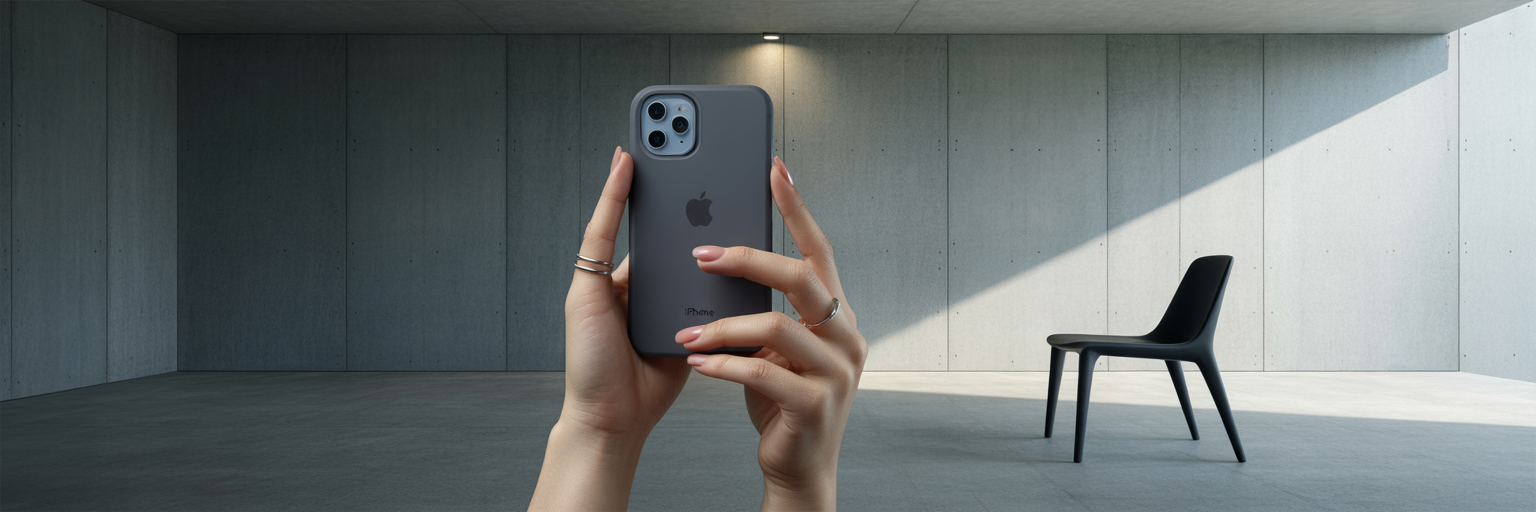
The embrace of rectilinear phone cases is not happening in a vacuum. This aesthetic shift is a direct reflection of wider currents in fashion, architecture, and product design. Just as the previous section detailed the immediate impact of the form itself, we can now see how this trend connects to a larger cultural conversation. It is a reaction against years of amorphous, overly friendly designs and a return to principles of structure, honesty, and intentionality. The phone case has become a small, accessible canvas where these significant design movements play out.
Echoes of Brutalism and Modern Minimalism
The unadorned, blocky shape of a rectangle case shares a clear lineage with the principles of Brutalist architecture and modern minimalism. Brutalism, with its emphasis on raw materials and monumental, geometric forms, was a celebration of structural honesty. Similarly, minimalism seeks to strip away the non-essential to reveal the purity of form. The modern rectangle case acts as a visual antidote to the overly complex and ornamental designs that have cluttered our digital and physical lives. Its simple, strong silhouette is a statement of clarity. It says that good design does not need to be decorated; its strength lies in its form and material.
The Influence of High-Fashion Accessories
This move toward geometric severity is mirrored in the world of high fashion. Luxury handbag and jewelry designers have increasingly favored strong, architectural silhouettes over soft, slouchy shapes. The clean lines of a structured tote or the sharp facets of a modern ring have become symbols of contemporary elegance. The phone case is now taking its rightful place among these fashion tech accessories. It is no longer a purely functional afterthought but a key component of a curated personal look. The same design logic that applies to choosing a handbag now applies to choosing a phone case, with an emphasis on form, material, and how the object complements an overall aesthetic.
From Product Design to Personal Statement
Perhaps the most significant shift is in how we perceive our phones. They are no longer just utilitarian devices for communication; they are the central hub of our lives and a core part of our public identity. The case, therefore, becomes the primary medium for personalizing this essential object. It is a canvas for self-expression, a way to signal our tastes and values. This understanding of the phone as an extension of self is central to our story and the philosophy behind our designs. We believe that the objects we carry should be as thoughtfully considered as the clothes we wear. The rise of the rectangle case is a testament to this evolution, marking a collective desire for our technology to be as intentional and expressive as we are.
Functionalism Reimagined
While the aesthetic and cultural drivers of the rectangle case are compelling, its dominance is equally rooted in superior engineering. The shift to a geometric form is not a case of style over substance. In fact, the design provides tangible functional benefits that a curved body simply cannot match. This is where the art of design meets the science of engineering, proving that the most beautiful form can also be the most practical. An authoritative look at the technical advantages reveals why this shape is not just a trend, but an advancement.
Superior Grip and Handling Dynamics
The physics of grip are straightforward: increased surface area for finger contact creates greater friction and control. The flat sides of a rectilinear case provide a broad, stable plane for your fingers to press against, dramatically reducing the likelihood of accidental slips and drops. We have all felt that heart-stopping moment when a smooth, rounded phone starts to slide from our grasp. A flat-sided case mitigates this risk by design. The defined edges act as a natural anchor, giving your hand a secure purchase on the device. This improved handling dynamic inspires confidence, allowing for more comfortable one-handed use and a generally more secure feel during daily interactions.
Enhanced Corner Protection by Design
When a phone is dropped, the corners are almost always the first point of impact. This is where a geometric case truly excels. Unlike a rounded edge, which can cause impact force to glance off into the screen, the defined, 90-degree corners of a rectangle case are engineered to absorb and dissipate energy more effectively. These corners are often reinforced, acting as small, integrated bumpers. The structure allows for a greater concentration of protective material precisely where it is needed most, without adding excessive bulk to the overall profile. This is a prime example of how form directly enhances function, turning a potential vulnerability into a point of strength.
The Material Science of Modern Cases
The structural integrity of these cases is made possible by significant advancements in material science. Parts of the market have moved beyond simple plastic shells. Cases in this category are crafted from a range of materials chosen for their specific properties. Forged carbon fiber, known for its incredible strength-to-weight ratio in motorsport, provides rigid protection without bulk. Machined aluminum offers a cool, metallic feel and uncompromising structure. Advanced rigid polymers are also engineered to provide immense durability and impact resistance. While some might question the pocketability of a less rounded shape, expert designers mitigate this with subtle, precisely chamfered edges that allow the case to slide into a pocket smoothly without sacrificing its strong profile.
Perfecting Integration with the MagSafe Ecosystem
The introduction of MagSafe created a new ecosystem of accessories, and the flat-sided case is its ideal partner. The perfectly flat back and sides provide a more stable and secure platform for MagSafe accessories to attach to. This ensures a stronger magnetic lock for chargers, wallets, and mounts. With a curved case, accessories can be prone to slight rocking or misalignment, potentially weakening the magnetic connection. A rectilinear design ensures a flush, full-contact connection every time. For instance, one of our solid MagSafe rectangle cases is engineered to provide this flawless integration, ensuring that the convenience of MagSafe is matched by unwavering reliability.
The New Symbol of Luxury and Customization
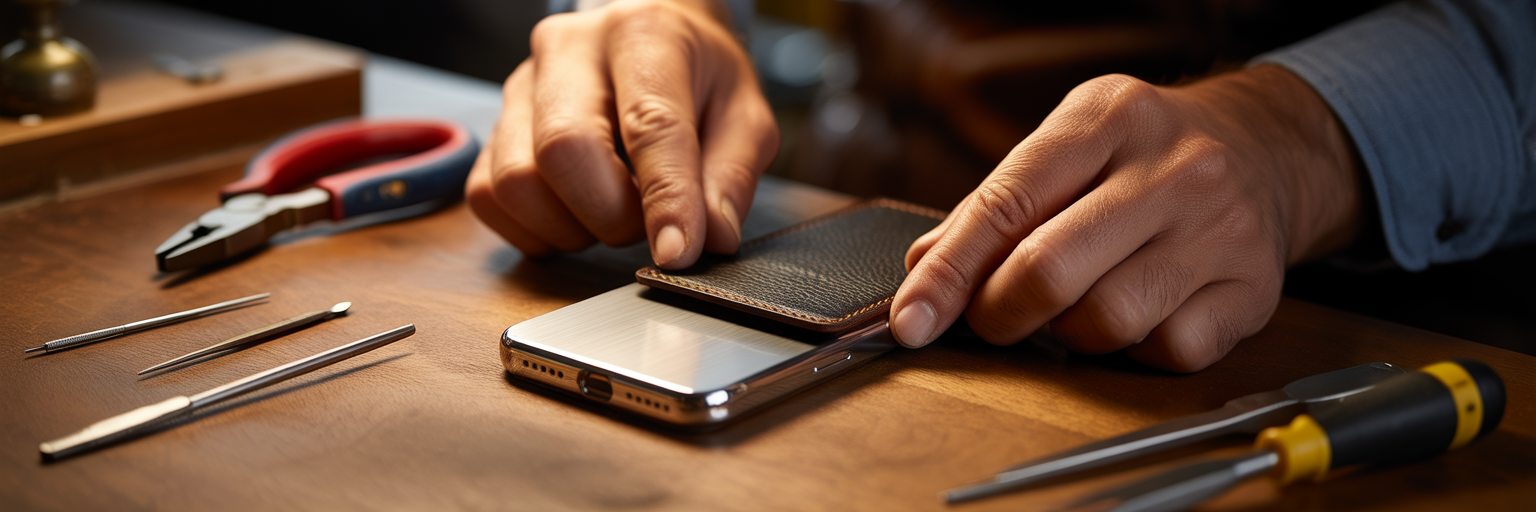
The evolution of the phone case has now moved beyond aesthetics and function into the domain of status and investment. The rectangle case, with its confident form and premium material potential, has become the perfect canvas for luxury expression. It is no longer just a protective shell but an object of desire, subject to the same market dynamics as high-end watches or limited-edition sneakers. This section explores how the simple phone case has transformed into a powerful symbol of personal wealth and taste.
Designer Collaborations and Limited Editions
Major fashion houses have taken notice of this trend, releasing their own limited-edition rectangle cases that often sell out within hours. These collaborations turn a tech accessory into a collectible piece of fashion history. Just as a sneakerhead might covet a rare pair of Jordans, a style-conscious individual now seeks out a specific season’s Prada or Saint Laurent phone case. These items are produced in finite numbers, creating a sense of scarcity and urgency. They are less about protecting the phone and more about displaying one's connection to the exclusive world of high fashion, making them true luxury phone accessories.
The Rise of Bespoke and Monogrammed Cases
For those who desire something truly unique, the world of bespoke customization offers limitless possibilities. Clients are now commissioning one-of-a-kind cases from specialized ateliers. Imagine a case carved from a single piece of rare Ziricote wood, or one wrapped in ethically sourced alligator leather, complete with hand-painted monograms. These are not mass-produced items; they are personal commissions, crafted to the exact specifications of the owner. This level of personalization elevates the case to the status of heirloom jewelry. For a more accessible take on that aesthetic, our crocodile leather MagSafe rectangle case brings a crocodile-embossed faux leather finish to a rectangle silhouette.
From Protective Shell to Investment Piece
The combination of limited editions and rare materials has given rise to a burgeoning resale market. Certain highly sought-after cases from past seasons now command prices far exceeding their original retail value. This phenomenon mirrors the market for luxury watches and handbags, where specific models are seen as investments that appreciate over time. The phone case has officially entered this conversation. Choosing the right limited-edition case is no longer just a style decision; for a growing number of collectors, it is a financial one. The object’s value is decoupled from the phone it protects and is instead tied to its rarity, brand prestige, and cultural significance.
The Unboxing Experience as a Premium Ritual
The status of a luxury good is reinforced not just by the product itself, but by the entire experience surrounding it. Premium phone cases now arrive in elaborate packaging, often including dust bags, certificates of authenticity, and personalized notes. The act of unboxing becomes a deliberate ritual, designed to build anticipation and affirm the value of the purchase. This carefully choreographed experience is borrowed directly from the world of haute couture and fine jewelry. It signals to the customer that they have purchased something more than a mere accessory; they have acquired a piece of a luxury lifestyle.
Curating Your Tech Ensemble
Understanding the why behind the rectangle case trend is one thing; knowing how to integrate it into your personal style is another. This section serves as a practical iPhone case style guide, moving from analysis to application. The modern phone case is a key part of your daily wardrobe, and choosing the right one requires the same consideration you would give to a pair of shoes or a watch. It is about creating a cohesive tech ensemble that reflects your lifestyle and aesthetic priorities. The goal is to make your technology a seamless and intentional extension of your personal brand.
Matching Your Case to Your Personal Style
The versatility of the rectangle case allows it to adapt to a wide range of personal styles. The key is to think in terms of pairings and context. Here are a few suggestions for creating a harmonious look:
- For the minimalist with a wardrobe of neutral tones, a matte black or deep navy polymer case provides a clean, understated look that complements the aesthetic without distracting from it.
- For the business professional, a machined aluminum or brushed metal case projects an image of precision and modernity that pairs perfectly with formal wear.
- For a bold, fashion-forward statement, a case in a vibrant, solid color or one made from a textured material like forged carbon fiber can serve as the focal point of an outfit.
- For a classic, elegant style, a case in a rich leather or a subtle earth tone offers a touch of timeless sophistication.
Building a Cohesive Accessory Ecosystem
Think beyond just the phone. The most stylish individuals curate a unified accessory ecosystem where every piece works in harmony. Your phone case should complement your smartwatch band, your laptop sleeve, and even your wireless earbuds. For example, pairing a graphite aluminum case with a matching graphite Milanese loop on your watch creates a powerful sense of cohesion. This does not mean everything must be identical. It is about creating a consistent palette of materials and colors. This thoughtful coordination signals a high level of attention to detail, which is the hallmark of great style. As you consider designer iPhone cases 2026, think about how they will fit into your complete technological and personal wardrobe.
A Practical Guide to Materials for Different Lifestyles
Choosing the right material is a balance of aesthetics, feel, and function. The following table breaks down the most common materials to help you make a choice that aligns with your daily needs.
| Material | Best For | Key Attributes |
|---|---|---|
| Advanced Rigid Polymer | Active / Daily Use | High durability, impact resistance, lightweight, wide color variety |
| Machined Aluminum | Professional / Office | Sleek, cool to the touch, premium feel, structural rigidity |
| Silicone | Comfort / Casual | Soft texture, excellent grip, shock absorbent, easy to clean |
| Exotic Leather (e.g., Crocodile) | Luxury / Formal | Unique texture, develops patina over time, statement of status |
| Forged Carbon Fiber | Tech Enthusiast / Performance | Extremely strong and light, modern technical aesthetic, superior protection |
By using this guide, you can select a case that not only looks good but is also perfectly suited to the demands of your lifestyle. For more inspiration, you can explore curated collections in our Style Edit.
The Future of Geometric Device Design
Having explored the form, function, and cultural significance of the rectangle case, we can now look ahead. This design movement is more than a momentary preference; it signals a lasting maturation in our relationship with technology. The principles of structural honesty and intentional design are likely to extend far beyond the phone case, shaping the next generation of personal electronics. This concluding section speculates on the future, cementing the idea that sophisticated design is now as vital as the technology it contains.
Beyond the iPhone: A Universal Design Language
The overwhelming success of the geometric case will inevitably influence the design of other devices. We can expect to see tablets, laptops, portable chargers, and even smart home hubs begin to adopt a more unified, architectural aesthetic. The era of every device having its own disparate, often rounded, design language may be coming to an end. In its place, a universal language of clean lines and defined forms will create a more cohesive and visually satisfying technological environment in our homes and pockets. This is not about uniformity, but about a shared set of first principles based on clarity and structure.
The Next Wave of Material Innovation
Just as materials like forged carbon fiber and aerospace-grade aluminum define the current generation of premium cases, the next wave of innovation will push boundaries even further. Imagine cases made from self-healing polymers that can repair minor scratches on their own, or smart materials that can subtly change color or opacity based on notifications or user preferences. We may also see a greater integration of sustainable and lab-grown materials that offer exotic aesthetics without the environmental or ethical concerns of traditional luxury resources. The case will become an even more dynamic and intelligent object.
A Lasting Principle, Not a Passing Fad
This raises a provocative question: could this trend ultimately influence phone manufacturers to design the devices themselves with more robust, architectural forms? If the public continues to show a strong preference for the feel and durability of a well-built geometric case, it may incentivize brands to build phones that are less fragile and do not need to be immediately hidden in a protective shell. The ultimate luxury would be a phone so beautifully engineered and durable that it requires no case at all. Until then, the case remains the vanguard of design. The shift toward geometric, statement-making accessories is not a fleeting fad. It represents a fundamental change, a moment when we collectively decided our technology should be as thoughtful, intentional, and sophisticated as we are. It is a principle that forward-thinking brands will continue to champion, and you can explore its full embodiment across our entire collection.


