








The Blurring Line Between Technology and Ornament
For centuries, jewelry has been more than mere decoration. It has served as a silent language, communicating status, affiliation, and personal identity through the glint of gold or the cut of a stone. Now, a fundamental shift is underway, driven by the polished tech trend 2026. This is not another iteration of clunky wearables with glowing screens. Instead, it represents a complete re-imagination of personal technology.
Polished Tech is the art of embedding intelligent capabilities into objects that are, first and foremost, beautiful pieces of jewelry. The philosophy is a direct response to the first wave of smart devices, which often felt like they belonged on a lab bench rather than a wrist. Those early gadgets prioritized function at the expense of form, forcing a compromise between connectivity and style. We all remember the awkward, oversized smartwatches that screamed "gadget" from a mile away.
Think about how eyeglasses evolved. They began as purely medical instruments, but over time, they transformed into defining fashion accessories. The frames you choose say as much about your personality as the clothes you wear. A similar psychological shift is happening with personal tech. The new design philosophy is subtractive, focusing on what can be removed to achieve perfection. It is about deliberately hiding screens, buttons, and charging ports to celebrate the purity of silhouette, the integrity of the material, and the quality of the finish. The technology becomes an elegant secret, secondary to the object's inherent beauty.
This movement is not about adding tech to jewelry. It is about creating jewelry that happens to be intelligent. It offers a new, sophisticated form of self-expression for an identity that values both timeless style and seamless connectivity. The question is no longer "What does it do?" but "How does it make me feel?".
Material and Finish as the New User Interface
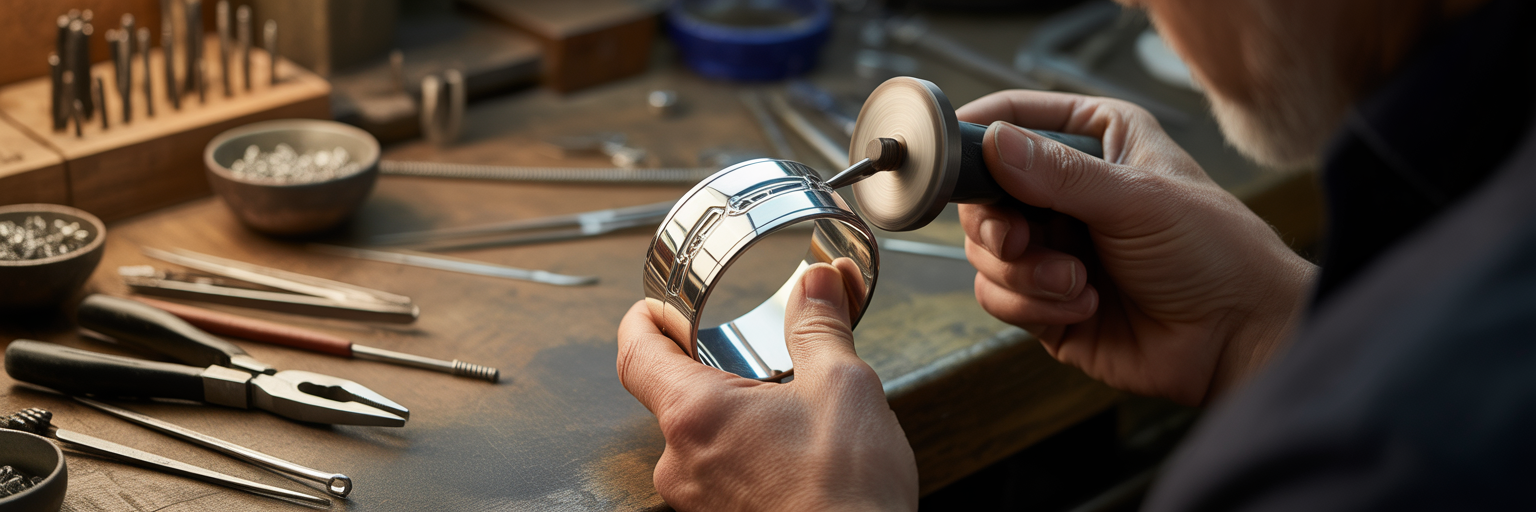
Moving beyond the concept, the execution of Polished Tech is where its true luxury character is revealed. The interaction with these devices is not through a screen, but through touch, weight, and temperature. The material itself becomes the interface, communicating value and permanence long before any data is collected.
The Primacy of Jewelry-Grade Materials
The choice of materials is what elevates a device from the electronics aisle to the jewelry counter. We are seeing a deliberate move away from plastics and aluminum toward materials with a history of adornment. Polished stainless steel, lightweight titanium, and cool, smooth ceramics are becoming the new standards. These materials do more than just look good. Their density provides a satisfying heft, their durability promises longevity, and their finish creates a tactile experience that cheap materials simply cannot replicate. A ring crafted from polished ceramic feels ancient and modern at the same time, a piece of the earth refined for a digital age.
Finish and Form Over Features
An insight from MWC 2026 captured this shift perfectly: this is a "styling problem as much as a hardware problem." The focus is now on details that were once afterthoughts. Seamless closures that are invisible to the eye, perfectly polished edges that feel smooth against the skin, and forms that follow the natural contours of the body are what define this new category. The goal is to create an object so beautifully integrated that you forget it contains any technology at all. It is the absence of interruption, both visual and physical, that creates a superior user experience.
Drawing Parallels with Luxury Accessories
As an authority in luxury accessories, we see this as a natural evolution. The same commitment to precision engineering and premium materials that defines high-end iPhone fashion accessories is now shaping this new category of luxury wearable technology. A beautifully crafted smart ring and a meticulously constructed phone case are part of the same personal ecosystem. For example, the dedication to material excellence in one of our crocodile-embossed faux leather cases, with its texture and precise fit, reflects the very principles driving the Polished Tech movement. It is about creating a cohesive collection of personal items that are as beautiful as they are functional.
The Sensory Experience of Tech
Ultimately, the connection to these devices is emotional, and that connection is built through sensory experience. The cool, weighty feel of a metallic ring on your finger feels more permanent and valuable than a lightweight plastic band. The way light reflects off a polished surface, the subtle temperature change as it adapts to your skin, and the smooth texture under your thumb all contribute to a deeper, more personal relationship with the object. This is technology that you do not just use, you wear and cherish.
The Rise of Discreet Intelligence and Digital Wellness
The true intelligence of Polished Tech lies not in what it shows you, but in what it senses without demanding your attention. We have all become victims of "notification fatigue," constantly pulled out of the present moment by a buzzing wrist or a glowing screen. It is that familiar scene: you are in a meeting or at dinner, and a smartwatch lights up, derailing the conversation and broadcasting your private messages to anyone who happens to glance over.
Polished Tech offers a powerful antidote through ambient, screen-free sensing. The value is generated in the background, quietly monitoring metrics like stress levels, sleep quality, and daily activity without a single disruptive alert. This shift toward passive data collection is what makes these accessories such effective discreet health tracking devices. They gather insights without interrupting your life, allowing you to understand your body's patterns over time rather than reacting to constant pings.
This discreet nature inherently enhances privacy. With no screen to display sensitive information, a smart ring or bracelet allows you to stay informed without broadcasting your personal data. You can check your readiness score or sleep analysis on your phone in a private moment, not have it flash on your wrist in a crowded elevator. The smart ring has become the primary example of this trend's success precisely because its form factor encourages continuous, comfortable wear. This provides an uninterrupted stream of biometric data, leading to deeper and more accurate wellness insights than a device you take off every night.
The functionality extends beyond health tracking. Imagine subtle haptic vibrations that gently remind you to take a deep breath during a stressful day, or a discreet safety alert that can be triggered with a simple gesture. The accessory is reframed from a simple tracker to a silent guardian, a piece of technology that supports your wellbeing without demanding to be the center of attention. It is about integrating intelligence so seamlessly that it becomes part of your personal style, a concept we explore in our style guides.
| Factor | Attention-Demanding Tech (e.g., Smartwatch) | Discreet Intelligence (e.g., Smart Ring) |
|---|---|---|
| Notification Style | Visual and auditory screen-based alerts | Subtle haptic feedback, no screen |
| Data Privacy in Public | Screen can display sensitive information | No screen, information remains private |
| Social Setting Interaction | Can be perceived as distracting or rude | Invisible, does not interrupt social flow |
| Primary User Interaction | Active engagement with a screen and apps | Passive data collection, ambient sensing |
| Design Philosophy | Function-first, screen-centric | Aesthetic-first, technology is hidden |
Modularity and the Future of Sustainable Accessories
For the conscious luxury consumer, beauty and intelligence are not enough. The question of sustainability is paramount, and the tech industry's track record with e-waste presents a significant challenge. We are surrounded by devices designed for obsolescence, with short lifecycles that contribute to a growing environmental crisis. As highlighted in a report by When In Your City, even as we embrace new technologies, it is crucial to consider their lifecycle and real-world impact.
Addressing the E-Waste Dilemma
Polished Tech confronts this problem head-on with an innovative solution: modularity. Instead of creating a single, disposable unit, the design philosophy separates the rapidly evolving technology from the timeless exterior. This is a direct challenge to the "buy, use, discard" model that has dominated consumer electronics for decades.
The 'Core and Shell' Model
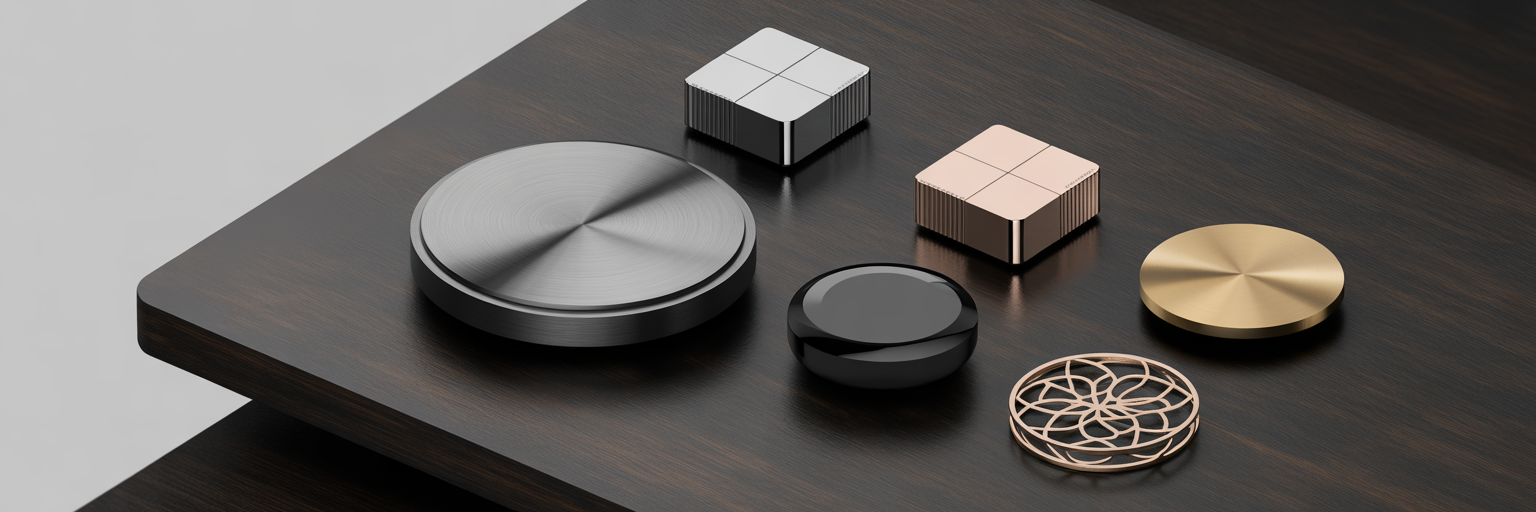
The most promising approach is the "Core and Shell" model. This design separates the internal "tech core," which contains the sensors, battery, and processor, from the external "jewelry shell." This brilliant separation allows you to upgrade the technology without discarding the valuable, beautifully crafted outer piece. Your engraved gold ring or ceramic bracelet can remain with you for years, while the small internal module can be swapped out as technology advances. This fosters a sense of longevity and permanence that is antithetical to traditional tech.
Customization as a Form of Longevity
This modularity also unlocks a new level of personalization. A single tech core could potentially fit into a variety of shells, transforming a single device into a versatile accessory system. Imagine swapping a sleek, minimalist band for a more ornate bezel for an evening event, or adding a new charm to a bracelet that changes its haptic feedback pattern. This encourages long-term ownership and creative expression over seasonal replacement, turning the device into a dynamic part of your wardrobe.
Sustainable Material Innovation
Finally, this responsible approach extends to the materials themselves. The modular design makes it more feasible to invest in high-quality, sustainable materials for the shell. We are seeing a rise in the use of recycled precious metals and ethically sourced, lab-grown gemstones. This alignment with the ethical demands of the modern luxury consumer is not just good for the planet; it is good for business. It positions the future of personal accessories as both desirable and responsible, proving that you do not have to choose between cutting-edge technology and timeless, sustainable design.
From Gadget to Heirloom: Tech as Emotional Infrastructure
The ultimate goal of Polished Tech is to move beyond what the technology tracks to what it represents. When a device becomes truly integrated into your life, its value is measured not in data points, but in memories and meaning. This is the transition from a disposable gadget to a modern heirloom.
We are seeing the emergence of the "modern locket." Using NFC technology, a ring, pendant, or bracelet can be embedded with profound personal significance. A simple tap could link to a cherished photo album, a voice note from a loved one, or a private message saved for a special moment. The jewelry becomes a physical key to a digital vault of memories, transforming it from a passive accessory into an active keeper of your personal story. It is a deeply intimate application of technology that prioritizes emotional connection over raw data.
This concept expands as these accessories become our "emotional infrastructure," seamlessly integrating into the meaningful moments of our daily lives. Imagine your ring acting as the key to your home, its gentle vibration confirming the door is locked behind you. Picture paying for coffee with a friend with a simple gesture of your wrist, a frictionless interaction that keeps you in the moment. These small, seamless interactions build a deep, personal connection to the object, weaving it into the fabric of your life. It is no longer just a device; it is a companion, a facilitator of everyday experiences.
This trend fundamentally reframes our relationship with personal devices. Instead of being disposable gadgets that are replaced every couple of years, they become cherished objects that hold memories and facilitate connections. An accessory like our phone charm wristlet already hints at this desire to infuse technology with personal meaning. Polished Tech takes this a step further, creating items so deeply integrated into our lives and stories that they become worthy of being passed down, representing a new, modern tradition of digital and emotional inheritance.
The Phone as the Central Hub for Polished Tech
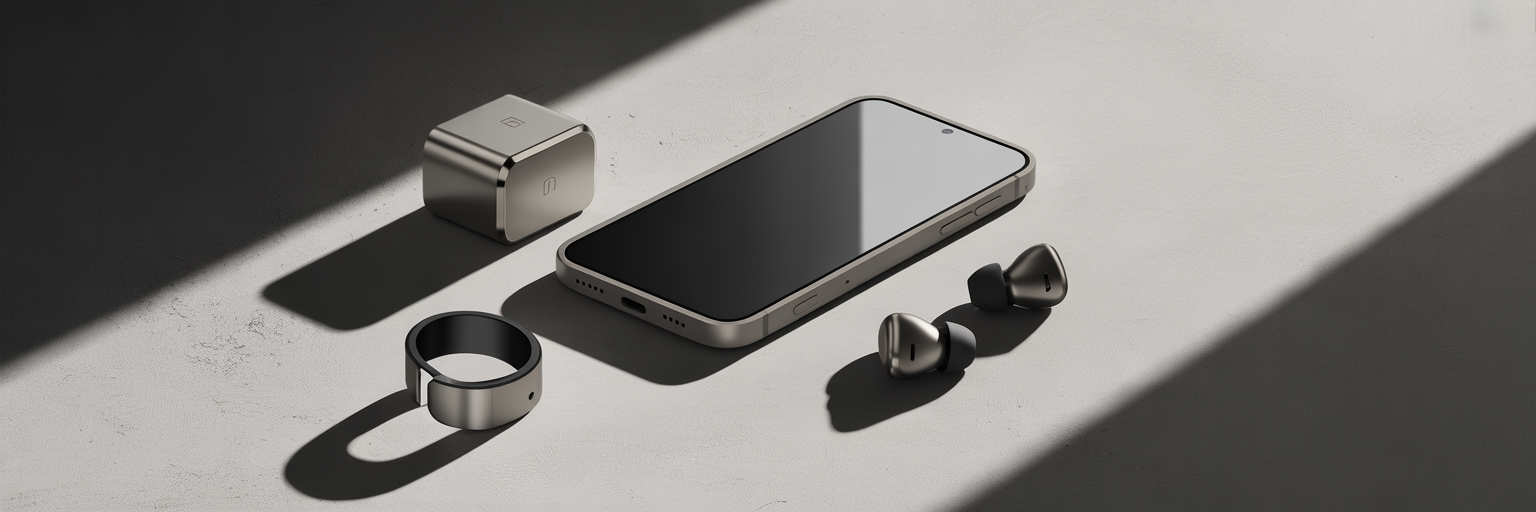
While smart jewelry offers the allure of discreet, ambient sensing, we must be clear about its role in the larger ecosystem. These beautiful sensors are not standalone devices. The indispensable command center, the brain that visualizes data, manages settings, and makes sense of it all, remains the iPhone in your pocket.
The principles of Polished Tech demand a cohesive design language across all personal devices. A consumer who invests in a beautifully designed smart ring made of titanium and ceramic will not tolerate a flimsy, generic case for their thousand-dollar smartphone. The aesthetic disconnect is too jarring. This is where we, as an authority in luxury iPhone accessories, see the complete picture. The luxury phone case is the foundational fashion statement and, in many ways, the first and most essential piece of Polished Tech a person owns. It is the bridge between your digital life and your personal style.
Our expertise is in creating accessories that embody these same principles. We believe a phone case should not be a cheap afterthought but a deliberate choice that reflects the same commitment to material integrity, precision fit, and sophisticated finish seen in the emerging category of smart jewelry for women. The clean lines and premium feel of our solid rectangular cases are designed to complement a polished aesthetic, not detract from it. They are the anchor of your personal tech style.
Think of this new ecosystem as a clear hierarchy:
- The Smartphone (The Brain): The powerful hub for processing data, managing apps, and controlling your entire digital world.
- The Phone Case (The Foundation): The most visible and tactile piece of your tech ensemble. It protects the brain and establishes your aesthetic.
- Smart Jewelry (The Sensors): The discreet satellites that gather data from the periphery without interrupting your life.
This ecosystem is symbiotic. The phone is also the central hub for managing your digital self, allowing you to control the privacy settings and notification preferences for all your connected devices. It is where you decide what information your ring collects and what subtle alerts it is allowed to send. As we look to the future, we anticipate even deeper integrations. Can you imagine a phone case that not only protects your device but also wirelessly charges your smart ring overnight? This is the future of a truly unified luxury tech experience, and it all starts with recognizing the importance of the phone and its most immediate accessory. It is why we are committed to offering a full collection of premium rectangular iPhone cases that serve as the perfect foundation for this new world.
Redefining the Luxury Retail Experience
The rise of Polished Tech is not just changing what we buy; it is changing how we buy it. These are not products you pick off a shelf in a big-box electronics store. Their value is deeply tied to their aesthetic and tactile qualities, demanding a retail experience that mirrors the world of fine jewelry and luxury watches.
The transaction must be centered on consultation, atmosphere, and a sense of occasion. We are seeing the emergence of new, specialized showrooms designed specifically for these products. The lighting is carefully calibrated to showcase the reflective qualities of polished steel or the deep luster of ceramic. Instead of rows of devices, items are displayed like sculptures, allowing customers to appreciate their form and see how they interact with light from every angle. The environment communicates value before a single word is spoken.
Technology is also being integrated into the sales process itself to enhance the experience. Augmented Reality (AR) try-on apps are becoming common, bridging the gap between online browsing and in-store fitting. You can see how a ring will look on your own hand, in your own skin tone, from the comfort of your home. In the store, this technology helps visualize different combinations of modular components.
Most importantly, the sales conversation is shifting dramatically. It is no longer about rattling off a list of technical specifications and battery life statistics. Instead, trained staff guide customers on fit, long-term comfort, and the nuances of different materials. The dialogue is about personalization possibilities, exploring how different shells or charms can be combined to create a unique piece. It is a bespoke service, mirroring the process of buying a high-end timepiece, where the journey of discovery is as important as the final purchase. This consultative approach reinforces the product's status as a considered, long-term investment rather than a disposable gadget.
Navigating the Future of Personal Adornment
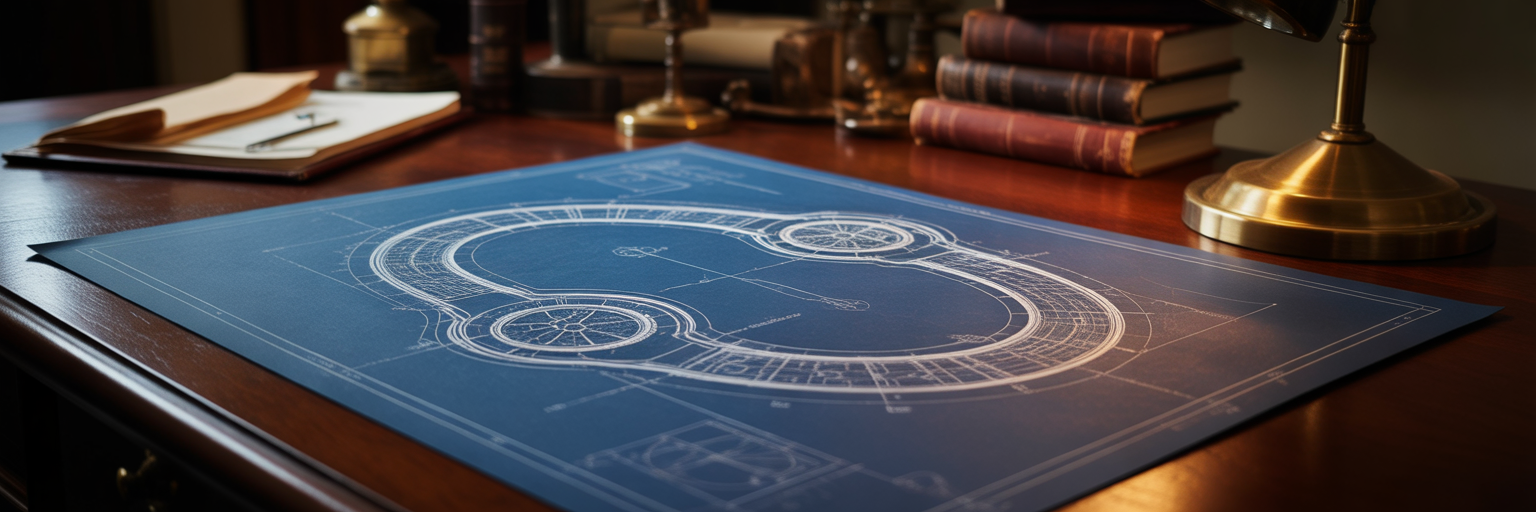
As we look ahead, it is clear that the Polished Tech movement represents more than just a fleeting trend. It signals a fundamental shift in our relationship with technology, moving from a dynamic of interruption to one of seamless integration. The core philosophy is simple yet profound: aesthetics first, supported by discreet intelligence, built for longevity through modularity, and imbued with emotional significance. Technology is finally learning the art of subtlety.
From a balanced perspective, we must acknowledge the hurdles that remain for widespread adoption. Battery technology needs to continue to shrink while increasing in efficiency. Data security and privacy protocols must be robust and transparent to build unwavering trust. And for modularity to truly succeed, the industry may need to move toward standardized components to ensure long-term compatibility. These are not small challenges, but they are engineering problems, not philosophical ones.
So, what is the next frontier? Could this trend expand into smart textiles, with sensors woven directly into the fabric of our clothes? How far can the integration of technology and the body go while retaining its aesthetic and emotional integrity? These are the questions that designers and engineers are asking now. Will we see accessories that can change color based on our mood, or pendants that offer a gentle warmth in response to a message from a loved one?
Ultimately, the conclusion is clear: technology is at its most powerful when it disappears, leaving behind only a beautiful, functional, and meaningful object. The success of the future of personal accessories will be measured not by their processing power or the number of features they have, but by their ability to become a cherished and invisible part of our personal story. For those ready to explore accessories that already embody these principles of superior design and quality, we invite you to begin your journey with our collection.


