








The Foundational Role of Shape in Design Psychology
Long before our minds register color, texture, or material, they process shape. This is not a learned behavior but a fundamental part of human perception. Geometric forms are a non-verbal language, communicating ideas and feelings without a single word. At the core of this language is a primary distinction between the curved and the angular. Soft, rounded shapes are almost universally perceived as gentle, natural, and approachable. They suggest safety and harmony.
In contrast, straight-edged, angular forms communicate something entirely different. They signal stability, strength, and precision. There is an inherent confidence in a straight line and a sharp corner. This psychological association is visible everywhere in our environment. Consider the visual difference between a modern art museum, with its flowing, welcoming curves, and a financial district skyscraper. The skyscraper’s imposing grid of steel and glass projects power and authority, its form a testament to human ambition and order.
This same principle applies to the objects we choose to carry with us every day. These items are not just tools; they are extensions of our identity, broadcasting subtle cues about who we are. When it comes to our most personal technology, the shape of its enclosure is the very first visual signal we send. It sets the tone for every other design element, establishing a foundational message of either conformity or confidence.
A Legacy of Form in Luxury Personal Accessories
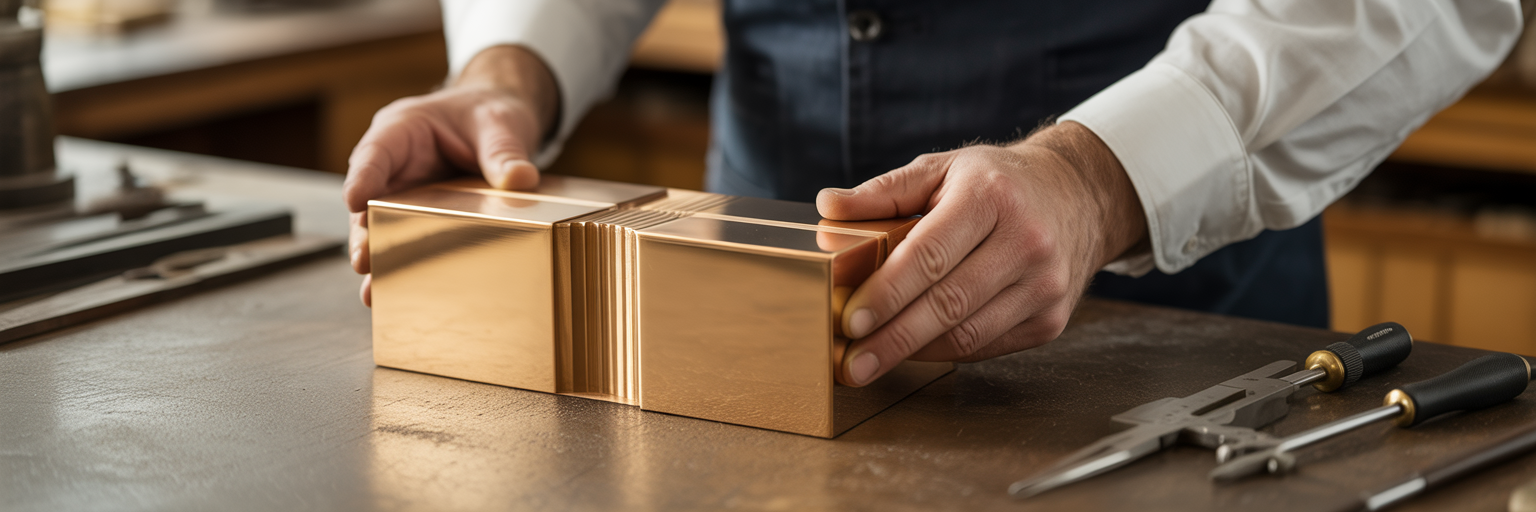
The idea of using shape as a statement is not new. It is a time-honored tradition in the world of luxury goods, where form has long been used to distinguish the exceptional from the commonplace. Watchmaking offers a perfect historical parallel. For decades, the classic round watch face was the undisputed standard, a shape that symbolized tradition and appealed to the masses. It was familiar, safe, and expected.
The introduction of the rectangular watch case was therefore a deliberate, almost rebellious, act of design. Its emergence during the Art Deco movement was no coincidence. That era celebrated geometric order, modernity, and a sleek elegance that broke from the ornate styles of the past. The rectangular watch became synonymous with a certain type of person: one with discerning taste, a modern outlook, and a quiet confidence that did not require validation from the crowd.
As noted by Wristler.eu in its guide on the topic, the choice of case shape has a profound impact on brand legacy and the wearer's perception of the piece. This established a language where shape became a marker of identity. There is a direct and powerful parallel between the statement made by a rectangular timepiece a century ago and a rectangular phone case today. The smartphone is the modern era's most visible and personal accessory, making its form a critical component of its luxury phone case aesthetic.
The Visual Language of the Standard Phone Case
With that historical context in mind, let's analyze the default choice for most phone users: the standard, rounded-corner case. This design is not inherently flawed, but it is undeniably safe. Its defining characteristics are softness, friendliness, and an ergonomic profile designed for unobtrusive comfort. The psychological message it sends is one of approachability. It is designed to blend in, not to stand out.
The market logic behind this shape’s dominance is straightforward. It perfectly mimics the original design of the phone itself, seeking to be an invisible protective layer rather than a design element in its own right. It is the path of least resistance, a choice that requires little thought. For many, this is sufficient. The case is seen as a purely functional item meant to prevent scratches and absorb impacts without altering the device's intended look.
However, by prioritizing this agreeable and inoffensive nature, the standard case forfeits a significant opportunity. It surrenders the chance to be a distinctive part of one's personal style. When considering what phone case says about you, the rounded case often suggests a preference for blending in, for choosing the conventional route. It is a functional decision that quietly recedes into the background, rather than a stylistic one that actively contributes to a curated identity.
The Distinctive Statement of the Rectangle Case

In stark contrast to the conventional choice, the rectangular case is an intentional and assertive statement. Its visual language is entirely different. It is architectural, structured, and unapologetic. This is not a shape that seeks to blend in; it is a shape that commands attention by creating definition. The clean lines and sharp corners of a rectangle iPhone case design elevate the device from a mere gadget to a curated design object.
This intentional form connects directly to principles of modern minimalism and contemporary art, where structure and geometry are celebrated. It frames the technology within, giving the phone a more substantial, premium presence. The emotional response it triggers is one of sophistication and confidence. It suggests an appreciation for detail and a personality that embraces individuality over mass appeal. Holding it feels deliberate.
Choosing this shape is a conscious decision to move beyond the default. It signals that you view your most-used accessory not just as a tool, but as an integral part of your aesthetic. It is for the person who understands that style is found in the details. For readers inspired by this structured and intentional aesthetic, exploring a curated selection like the minimal rectangle case collection can provide tangible examples of how this form translates into a powerful style statement.
How Shape Influences Ergonomics and Protection
A common misconception is that rounded cases are inherently superior for handling and safety. This assumption overlooks the tangible functional advantages of a well-engineered rectangular design. The defined, flat edges of a rectangular case provide a more secure and confident grip compared to a smooth, curved surface that can often feel slippery, especially in one-handed use. The hand has clear surfaces to hold onto, reducing the chance of an accidental drop.
Beyond grip, the geometric structure offers significant protective benefits. The most common impact points during a drop are the corners. A rectangular design naturally allows for these vulnerable areas to be specifically reinforced with more material, creating targeted bumpers without adding bulk to the entire case. This is how the best protective designer phone cases are made; they merge bold design with smart engineering. A prime example of this synergy between form and function can be seen in designs like our Solid MagSafe Rectangle Case, which combines a bold silhouette with robust materials engineered for protection.
The tactile sensation of holding each type is also markedly different. A standard case can feel soft and undefined in the hand. A rectangular case, however, provides a solid, structured feel that communicates durability and substance. The choice is not style versus substance, but style enhanced by substance.
| Feature | Standard Rounded Case | Rectangle Case |
|---|---|---|
| Grip Security | Smooth surface can be slippery | Flat sides provide a more secure hold |
| Corner Protection | Protection is uniform around the case | Allows for targeted, reinforced corner bumpers |
| Tactile Feedback | Feels soft and undefined in hand | Provides a solid, structured feel |
| Visual Presence | Blends with the phone's original shape | Frames the phone, creating a defined object |
This table summarizes the key functional and tactile differences between the two case shapes. The comparison is based on general design principles and common user feedback regarding grip and perceived security.
The Rectangle Case as a Modern Fashion Statement
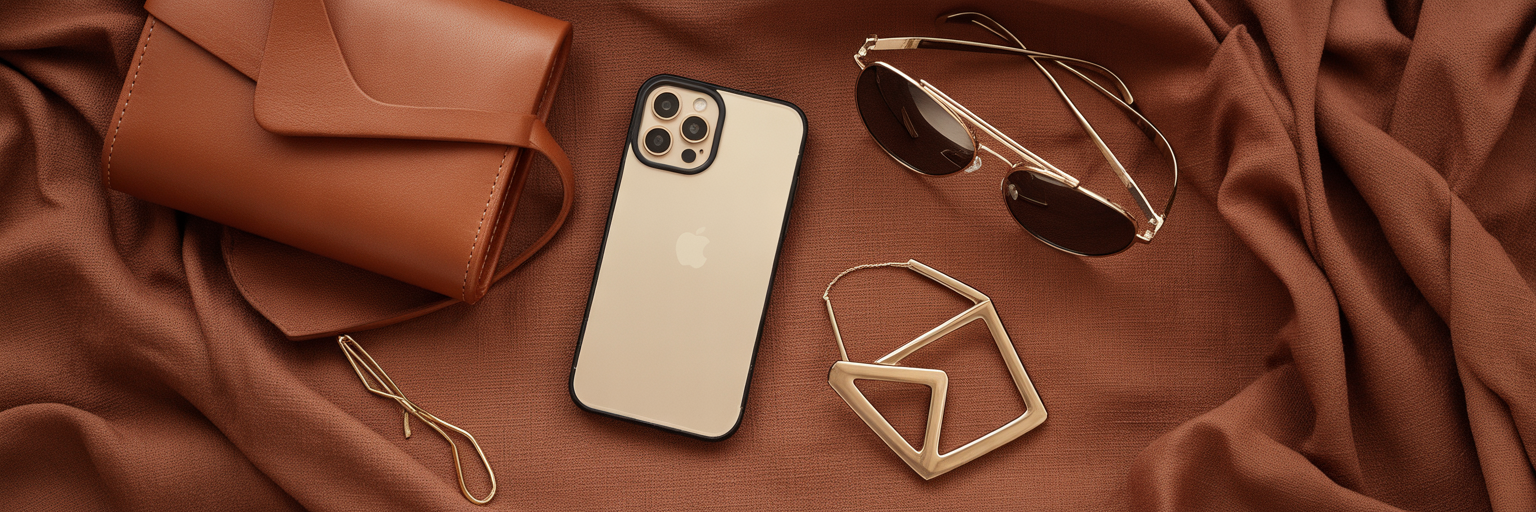
In 2026, the smartphone is unequivocally the single most important fashion accessory. It is carried more frequently and seen more often than any handbag, watch, or piece of jewelry. This reality has given rise to "tech-spression": the act of using our devices as a primary medium for self-expression. As such, the phone case has become a core component of a curated personal look, and its shape plays a leading role.
The bold, structured silhouette of a rectangular case perfectly complements contemporary fashion trends that favor architectural lines, minimalism, and confident tailoring. It is a key piece among fashion phone accessories 2026 because it adds structure and intent. It does not just protect the phone; it completes an outfit.
Integrating this accessory into your wardrobe is simple and impactful:
- For the Boardroom: A matte black or deep navy rectangular case adds a layer of modern sophistication to professional attire, signaling precision and attention to detail.
- For Weekend Brunch: A case in a vibrant solid color or a bold pattern like tortoiseshell becomes a focal point, adding a pop of personality to a casual outfit.
- For an Evening Out: A rectangular case with a high-gloss finish or a unique texture acts as a piece of clutch jewelry, catching the light and drawing the eye.
By thinking of your phone case in these terms, you transform it from a passive necessity into an active style choice. For more ideas on how to integrate your phone into your overall look, the COCOMII Style Edit offers ongoing inspiration and trend analysis for fashion-forward tech users.
Aligning Your Case with Your Personal Brand
Every aesthetic decision you make contributes to your personal brand. It is the story you tell about yourself through the clothes you wear, the places you go, and the objects you carry. Your phone case, given its constant visibility, is a surprisingly significant part of that narrative. It is worth taking a moment to think critically about the message it sends.
Ask yourself a few direct questions:
- Does my current phone case reflect my personality, or did I choose it out of habit?
- Does its shape say "conventional and practical" or "design-forward and intentional"?
- What story am I telling with the objects I carry every day?
The narratives told by each shape are distinct. The standard case tells a story of fitting in, of prioritizing function in a way that avoids risk. The rectangular case tells one of appreciating design, making deliberate choices, and understanding that how something looks is part of what it is. It is a conscious act of self-representation. To help translate this self-reflection into a tangible choice, using a tool like our Perfect Product Finder can guide you to a case that perfectly matches your device and personal style.
The Future of Accessory Design and Personal Tech
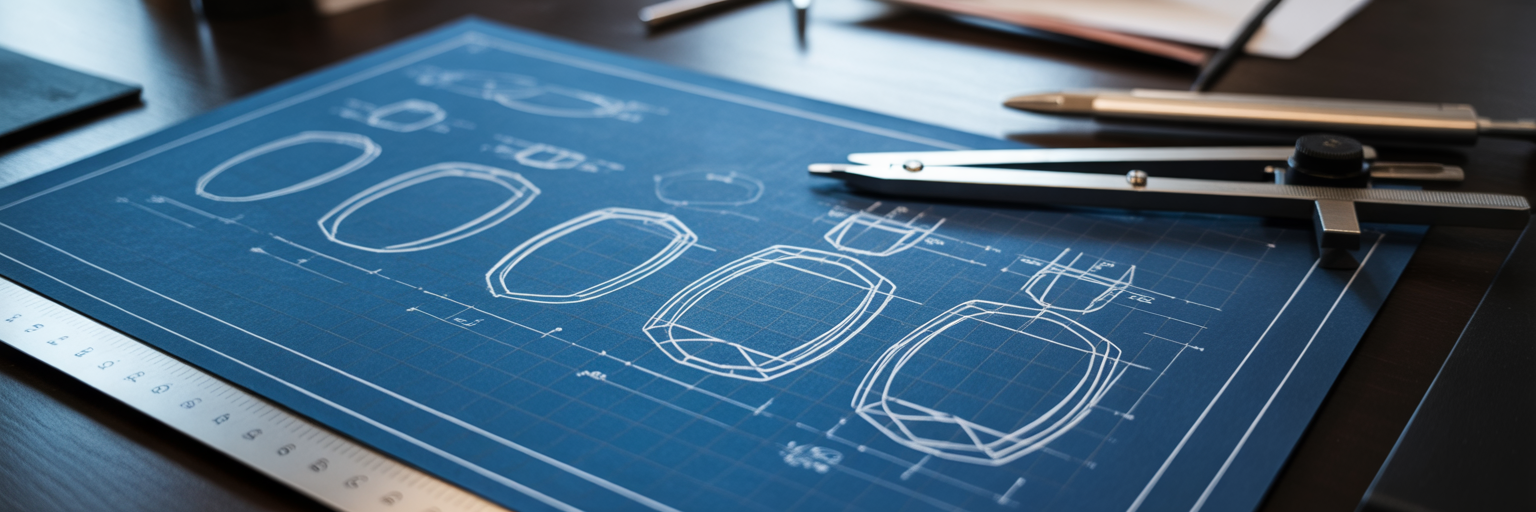
Looking forward, the demand for personalization and unique design in tech accessories will only intensify. As our devices become even more integral to our lives, the desire to move away from mass-produced uniformity will grow stronger. The shift toward distinct shapes like the rectangle is not a fleeting fad; it is a leading indicator of a broader movement where individuality is the new luxury.
The lines between technology firms and fashion houses are already blurring. The most successful brands of tomorrow will be those who understand that a device's exterior is as crucial as its interior software. This dedication to form is not new; in luxury watchmaking, the engineering of a rectangular movement is a complex process, as explained by Soner Watches, highlighting the intentionality required to break from the standard round shape. It is a commitment to design that goes beyond the surface.
Ultimately, while technology evolves at a dizzying pace, the fundamental principles of design and the human need for self-expression remain constant. Choosing a shape like the rectangle is a modern way to make a timeless statement. It is an understanding that true style is not about following trends, but about making choices that are authentic to you. This commitment to design that is both modern and timeless is a core part of our philosophy, which you can learn more about by exploring our story.


